





What's Happening?
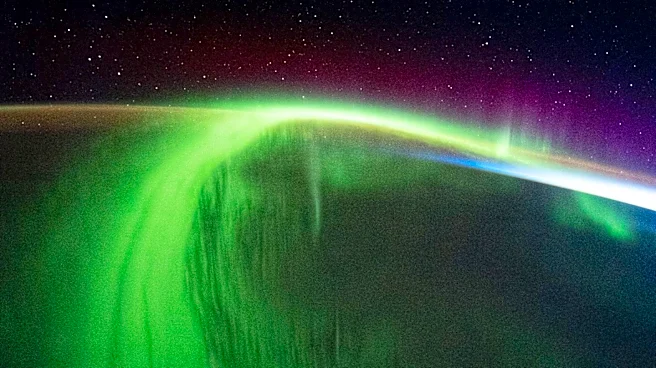
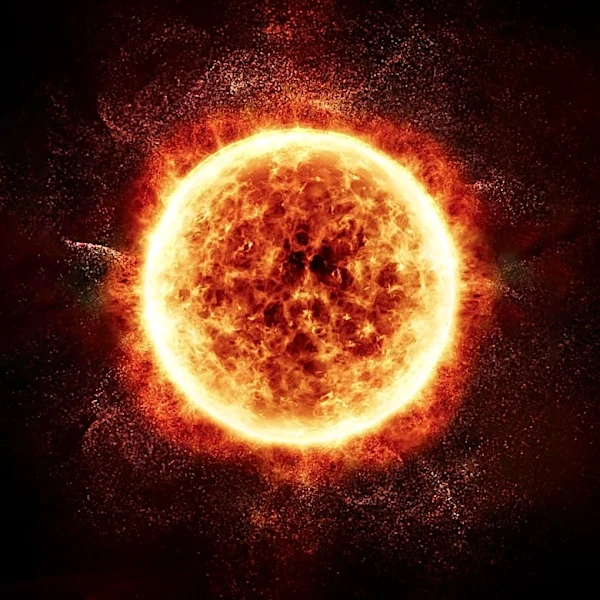
A recent study led by NASA's Goddard Space Flight Center has challenged the long-held belief that there is a limit to how intensely Earth can respond to solar storms. The research, published in Nature, suggests that the perceived upper limit is an illusion
caused by uncertainties in solar wind measurements. Traditionally, it was thought that electric currents in Earth's upper atmosphere, which can impact satellites and communication systems, increase with solar wind strength but only to a certain point. However, the new analysis, based on over a million solar wind measurements taken closer to Earth by NASA spacecraft such as MMS and THEMIS, indicates a direct relationship between solar wind strength and atmospheric currents, with no apparent upper limit. This finding could mean that solar storms have the potential to affect technology more severely than previously understood.
Why It's Important?
The implications of this study are significant for technology and infrastructure that rely on satellite and communication systems. If solar storms can indeed generate stronger electric currents than previously thought, this could lead to more frequent and severe disruptions in satellite operations, GPS navigation, and communication networks. The study highlights the need for improved solar wind measurement techniques and better predictive models to mitigate potential risks. Industries that depend heavily on satellite technology, such as telecommunications, aviation, and defense, could face increased vulnerability. Understanding the true impact of solar storms is crucial for developing strategies to protect critical infrastructure and maintain technological resilience.
What's Next?
Further research and observations are needed to confirm the findings and understand the full extent of solar storm impacts. NASA and other space agencies may prioritize the development of more accurate solar wind measurement tools and models to better predict and prepare for solar storm events. Collaboration with industries reliant on satellite technology could lead to the implementation of enhanced protective measures. Additionally, policymakers might consider investing in infrastructure upgrades to safeguard against potential disruptions caused by stronger-than-expected solar storms.