


What's Happening?
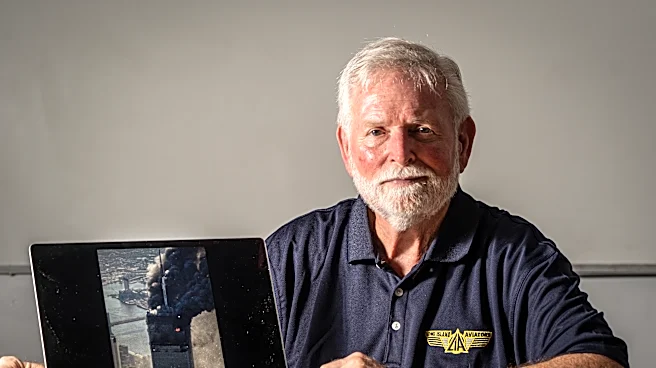
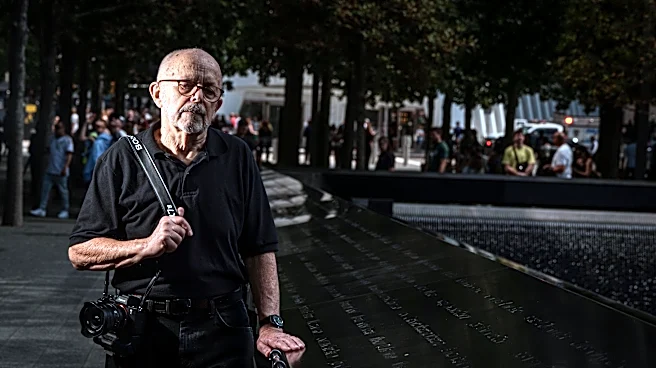
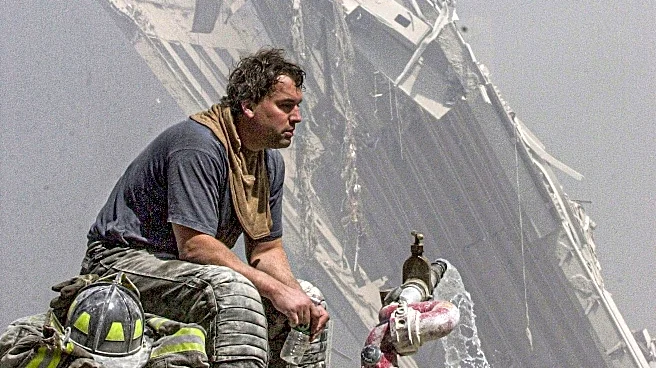
Captain Michael Donovan, a former lieutenant with the New York City Fire Department, has published his memoir, 'Too Many Good Men,' detailing his visceral experiences at Ground Zero during the 9/11 terrorist attacks. Donovan, who retired to Ludlow, Vermont,
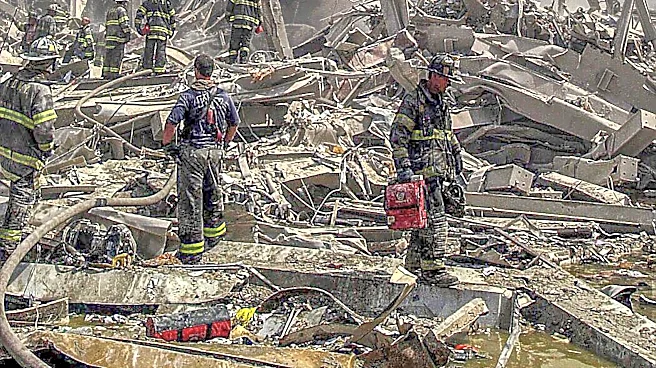
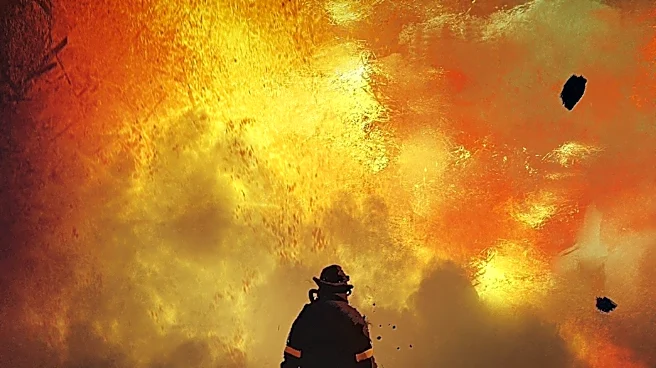
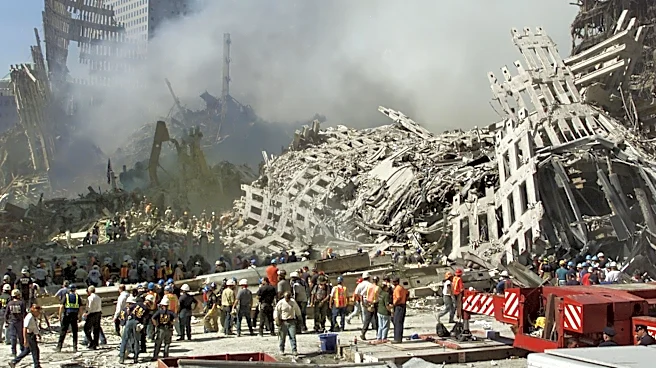
in 2003, sustained serious injuries to his back and lungs on that day and lost approximately 60 friends and colleagues. His memoir recounts the events of September 11, 2001, including the sights, sounds, and smells of the disaster, and the efforts of his fellow firefighters. Donovan spent years trying to document his memories, even consulting with the widows of his friends to fill in gaps. He completed the book after experiencing a second heart attack, dedicating it to his grandchildren to provide them with an understanding of his experiences and the sacrifices made.
Why It's Important?
Donovan's memoir serves as a crucial personal account of one of the most significant events in U.S. history, offering a firsthand perspective on the human cost and heroism of 9/11. His story highlights the enduring physical and emotional toll on first responders, many of whom, like Donovan, continue to suffer from injuries and trauma decades later. The dedication of the book to his grandchildren underscores the importance of intergenerational memory and the need to preserve the narratives of those who lived through such pivotal moments. This memoir contributes to the collective understanding of 9/11, moving beyond static images to convey the visceral reality faced by those on the front lines. It also emphasizes the strong bonds formed among firefighters, referring to each other as 'brothers,' which speaks to the unique camaraderie and sacrifice inherent in their profession.
What's Next?
As the 25th anniversary of 9/11 approaches, Donovan's memoir is likely to contribute to broader public discourse and remembrance efforts. His annual tradition of standing a silent honor guard at the grave of a fallen colleague, Eric Allen, in Greenwood Cemetery in Brooklyn, will continue to serve as a personal act of remembrance and a public symbol of enduring grief and respect. The book's release may encourage other first responders and survivors to share their stories, further enriching the historical record and providing additional perspectives on the long-term impacts of the attacks. Educational institutions and historical organizations may utilize such personal accounts to teach future generations about 9/11, ensuring that the lessons and sacrifices of that day are not forgotten. The memoir also implicitly calls for continued support for 9/11 first responders and their families, addressing their ongoing health and emotional needs.
Beyond the Headlines
Donovan's narrative delves into the profound psychological and emotional burden carried by survivors of mass trauma. His struggle to write the memoir and his method of 'putting the memories away for another year' after each anniversary illustrate the complex coping mechanisms individuals develop to manage overwhelming experiences. This highlights the long-term mental health challenges faced by those exposed to such events, often extending far beyond the immediate aftermath. The memoir also touches upon the concept of collective memory and how societies grapple with and commemorate traumatic historical events. By sharing his story, Donovan contributes to a deeper understanding of resilience, grief, and the enduring impact of national tragedies on individual lives and community identity. It underscores the importance of personal narratives in shaping historical understanding and fostering empathy.