







What's Happening?
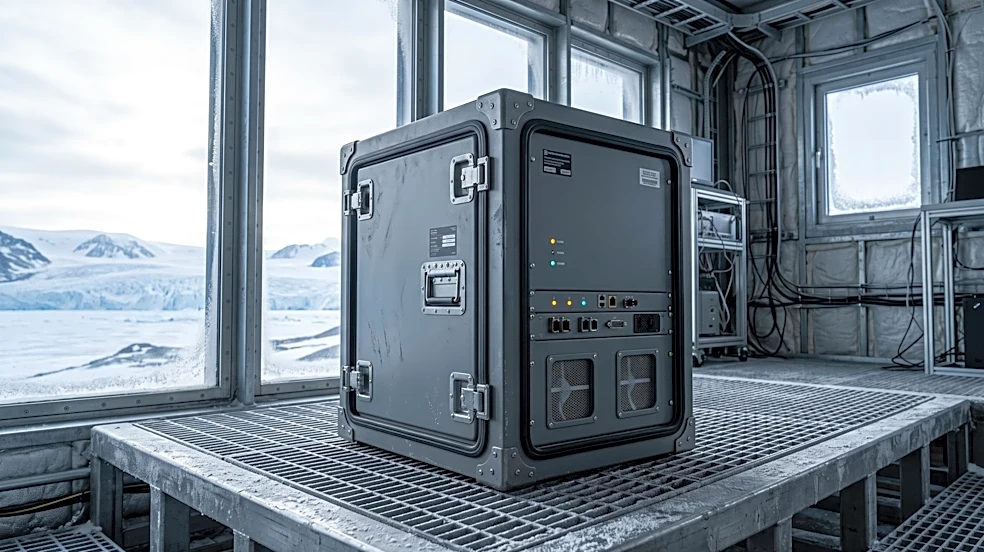
Leidos is actively seeking a Senior Systems Engineer to support the United States Antarctic Program (USAP) under the National Science Foundation’s Antarctic Support Contract. This role involves designing, deploying, and maintaining critical Linux-based
infrastructure for USAP's core production systems. The position requires extensive expertise in Red Hat technologies, including Red Hat Enterprise Linux (RHEL) administration, Red Hat OpenShift for containerized workloads, and Red Hat Satellite for system management. Key responsibilities include system design and implementation, operations and administration, and automation using tools like Ansible and Python. The engineer will also manage BIND DNS servers and contribute to DNS/DHCP configurations. This role is critical for ensuring the stability and security of IT infrastructure in one of the world's most unique and mission-critical environments, with potential temporary deployments to Antarctica.
Why It's Important?
This job opening highlights the critical role of robust and secure IT infrastructure, particularly Red Hat-based systems, in supporting high-stakes scientific research and logistical operations in extreme environments like Antarctica. For the U.S. government and scientific community, ensuring reliable data collection, communication, and operational support in remote locations is paramount. The demand for specialized Red Hat expertise underscores the reliance on enterprise-grade Linux solutions for stability, security, and scalability in mission-critical applications. This position also reflects the broader trend of leveraging advanced IT infrastructure, including containerization with OpenShift, to manage complex distributed systems. The successful deployment and maintenance of these systems directly impact the effectiveness of U.S. scientific endeavors and its presence in Antarctica, making it a matter of national scientific and logistical importance.
What's Next?
The successful candidate will be instrumental in maintaining and evolving the IT infrastructure supporting the USAP, ensuring continuous operation of critical systems. This will involve ongoing system upgrades, security enhancements, and the implementation of new technologies to meet evolving mission requirements. Leidos will likely continue to seek professionals with strong Linux and Red Hat skills to support such specialized government contracts, indicating a sustained demand for these technical proficiencies in the defense and scientific support sectors. Future developments may include further modernization of the Antarctic IT environment, potentially incorporating more advanced cloud-native solutions and automation frameworks to enhance efficiency and resilience in challenging conditions. The project's success will also depend on effective cross-functional collaboration with various teams, including architecture, network operations, and information security.
Beyond the Headlines
Beyond the technical requirements, this role underscores the unique challenges and ethical considerations of deploying and maintaining advanced technology in extreme and environmentally sensitive regions. The need for highly resilient and secure systems in Antarctica highlights the importance of robust engineering practices that can withstand harsh conditions and potential isolation. Ethically, the deployment of technology in such pristine environments requires careful consideration of environmental impact and sustainability. Legally, adherence to international treaties governing Antarctica, such as the Antarctic Treaty System, is crucial. Culturally, working in such a remote and challenging environment demands a high degree of adaptability, self-reliance, and teamwork. This position exemplifies how cutting-edge IT infrastructure is essential not only for business operations but also for supporting global scientific research and geopolitical presence in critical regions.