




What's Happening?
Congresswoman Kim Schrier (WA-08), alongside Congresswoman Val Hoyle (OR-04) and Congressman Ryan Zinke (MT-01), has introduced the Northwest Wetlands Voluntary Incentives Program (NW VIP) Act. This bipartisan legislation aims to restore and protect wetland
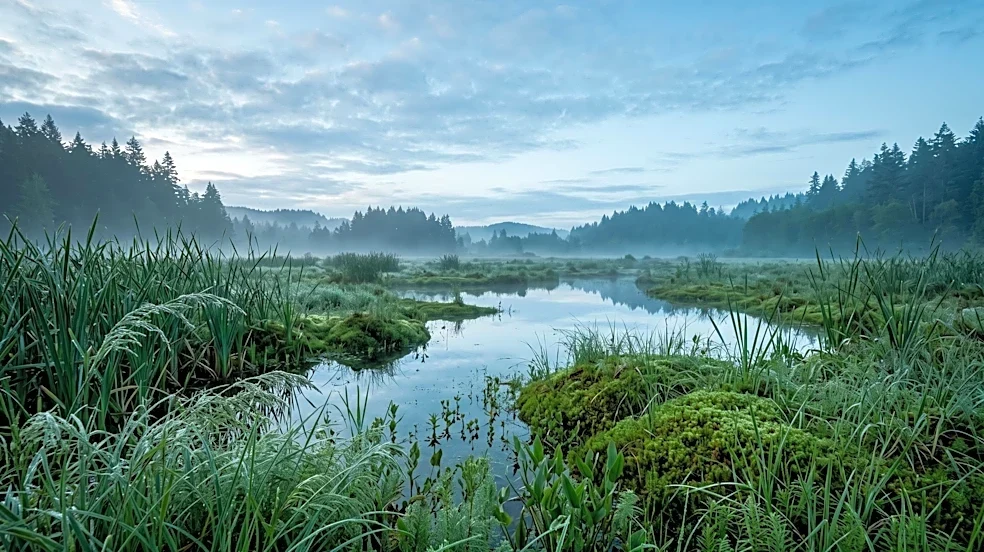
habitats and species across the Pacific Northwest, specifically within the Columbia River Basin and along the coasts of Oregon and Washington. A companion bill has also been introduced in the Senate by Senators Mike Crapo (R-ID) and Ron Wyden (D-OR). The NW VIP Act proposes establishing a federal grant and assistance program. This program would empower various entities, including government agencies, Tribes, non-profits, and private landowners, to collaborate on projects focused on restoring and enhancing habitats for wetland-dependent birds. These projects encompass water infrastructure, management, and vegetative habitat enhancement, and can be implemented on public, private, Tribal, and other lands as determined by the U.S. Secretary of the Interior.
Why It's Important?
This legislation is significant for its bipartisan approach to environmental conservation, demonstrating a collaborative effort across political divides to address critical ecological needs in the Pacific Northwest. The protection and restoration of wetlands are vital for maintaining biodiversity, supporting local ecosystems, and enhancing climate resilience. Wetlands serve as natural filters, improve water quality, and provide essential habitats for numerous species, including migratory birds. Furthermore, the bill's emphasis on voluntary incentives and collaboration among diverse stakeholders, including farmers, ranchers, and Tribes, highlights a strategy that seeks to integrate conservation efforts with local economic activities and land management practices. This approach could foster broader community engagement and ensure the long-term sustainability of these crucial natural resources, benefiting both the environment and the regional economy.
What's Next?
The Northwest Wetlands Voluntary Incentives Program Act will now proceed through the legislative process in both the House and Senate. Its bipartisan support in both chambers suggests a potential path forward for its enactment. If passed, the federal grant and assistance program would be established, leading to the allocation of resources for wetland restoration and enhancement projects. Stakeholders such as Ducks Unlimited, Pacific Birds Habitat Joint Venture, and the Washington Association of Land Trusts, who have already endorsed the bill, would likely play key roles in its implementation. The success of this program could serve as a model for future conservation initiatives, demonstrating how collaborative, incentive-based approaches can effectively address environmental challenges while respecting the interests of various land users and communities.
Beyond the Headlines
The introduction of the NW VIP Act underscores a growing recognition of the economic and ecological value of wetlands, moving beyond traditional conservation models to embrace more inclusive, partnership-driven strategies. By involving farmers, ranchers, and Tribes, the legislation acknowledges the importance of local knowledge and stewardship in environmental protection. This collaborative framework could help bridge divides between conservationists and land-use industries, fostering a shared responsibility for natural resource management. The focus on voluntary incentives also suggests a shift towards encouraging proactive conservation measures rather than solely relying on regulatory enforcement. This approach could lead to more sustainable outcomes by integrating environmental goals into the economic and social fabric of the region, ensuring that wetlands continue to provide essential services for future generations.