

What's Happening?
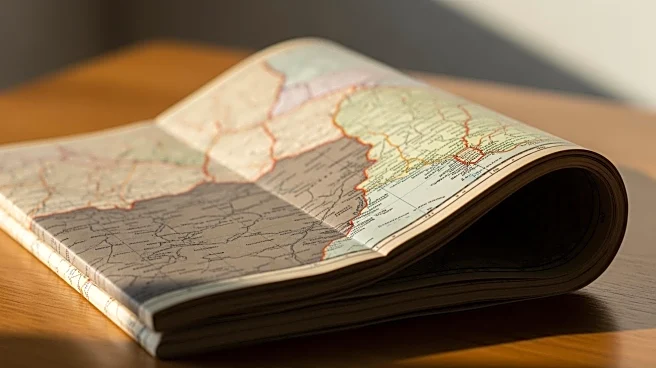
Tonika Lewis Johnson, a photographer and Columbia alum, presented her Folded Map Project at a film screening and discussion event in Chicago. The project, initiated in 2018, aims to expose and challenge the segregation in Chicago by comparing neighborhoods
on the South and North Sides of the city. Johnson's work involves photographing homes and interviewing residents from corresponding addresses in different neighborhoods, referred to as 'map twins.' The project highlights the stark differences in property values and living conditions between these areas, which are a result of historical discriminatory housing practices. Johnson's initiative encourages conversations about systemic racism and aims to foster understanding and change.
Why It's Important?
The Folded Map Project sheds light on the persistent issue of segregation in Chicago, which is more pronounced than in any other U.S. city according to Brown University data. By facilitating discussions between residents from different neighborhoods, the project aims to bridge the gap in understanding and address the systemic issues that perpetuate segregation. This initiative is significant as it not only raises awareness but also encourages individuals to take small actions to disrupt segregation, potentially influencing public policy and societal attitudes towards racial and economic disparities.
What's Next?
Johnson's project continues to evolve, with plans to further engage communities and policymakers in discussions about segregation and its impacts. The project has already led to the publication of a book co-authored by Johnson, which shares stories of segregation and offers strategies for disruption. Future efforts may include expanding the project's reach and influence, potentially inspiring similar initiatives in other cities facing segregation issues.
Beyond the Headlines
The Folded Map Project not only addresses the visible aspects of segregation but also delves into the psychological and cultural impacts on residents. By encouraging open dialogue, the project challenges individuals to confront uncomfortable truths about racial and economic divides. This approach could lead to a broader cultural shift in how communities perceive and address segregation, fostering a more inclusive and equitable society.