






What's Happening?
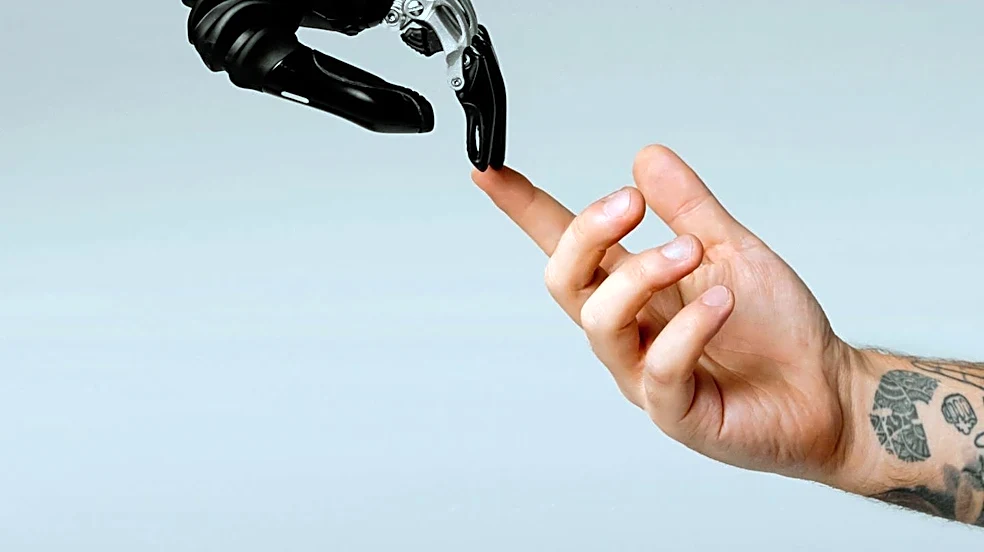
A growing community of biohackers, often referred to as 'grinders,' is actively engaged in enhancing the human body through subdermal implants. This movement is largely centered around the 'dangerous things forum,' a digital platform where enthusiasts
discuss, test, and refine implantable technologies. These implants range from microchips for smart home integration, such as unlocking doors or starting vehicles, to magnets that provide a 'sixth sense' by detecting electromagnetic fields. The community emphasizes a shift from passive wearable technology to active biological integration. A core focus within the forum is safety and sterilization, with extensive discussions on autoclave validation, biocompatible materials like Schott 8625 glass, and the importance of professional installation by specialized piercing studios or medical professionals. Technical discussions cover RFID and NFC technologies, including low-frequency implants for access control and high-frequency NFC implants for smartphone interaction, data sharing, and advanced cryptography for two-factor authentication.
Why It's Important?
This movement signifies a frontier in personal technology and human-computer interaction, pushing the boundaries of what is considered possible for human capability. The emphasis on safety protocols and technical standards within the community is crucial for responsible adoption of these emerging technologies, potentially mitigating risks associated with unregulated experimentation. The development and discussion of advanced cryptographic implants could lead to new paradigms in personal security and authentication, offering more robust protection than traditional methods. Furthermore, the community's focus on open-source hardware and software reflects a desire for individual autonomy and control over one's own body and integrated technology, challenging corporate control over personal data and devices. This could influence future debates on digital rights, bodily autonomy, and the ethical implications of human augmentation.
What's Next?
As biohacking gains more attention, discussions around data privacy, potential employer-mandated chipping, and long-term biological effects of implants are expected to intensify. The community's advocacy for open-source solutions may influence the development of future implantable technologies, pushing for transparency and user control. Regulatory bodies and ethical committees may need to address the implications of subdermal implants, potentially leading to new guidelines or legislation concerning human augmentation. The innovations discussed within these forums could eventually transition into mainstream applications, impacting various sectors from healthcare to security and daily consumer technology. Continued education and informed decision-making will be critical for individuals considering these technologies, as the community itself stresses the importance of understanding the nuances of frequency, protocol, and placement.
Beyond the Headlines
The 'dangerous things forum' and the broader biohacking movement represent a philosophical stance on bodily autonomy and self-reliance, where individuals take direct control over their physical and technological evolution. This challenges traditional notions of human identity and the natural limits of the body. The integration of technology directly into the human body raises profound ethical questions about what it means to be human, the definition of disability and enhancement, and the potential for societal divisions based on access to such augmentations. It also highlights a growing desire for seamless interaction with the digital world, blurring the lines between biological and technological existence. The community's proactive approach to safety and ethical considerations could serve as a model for other emerging technologies, demonstrating how grassroots movements can shape responsible innovation in the absence of formal regulation.