






What's Happening?
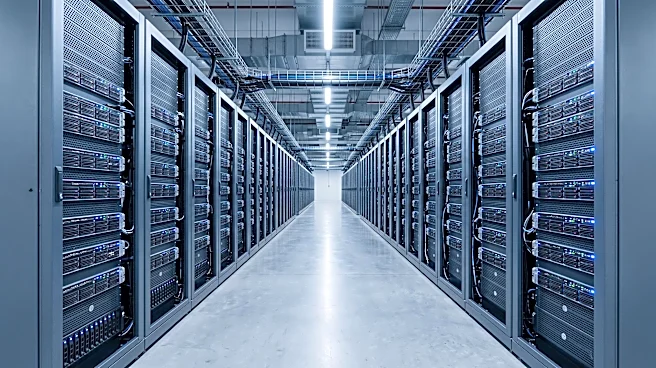
A recent 5 EYEWITNESS NEWS/SurveyUSA poll reveals that a majority of Minnesotans, 60%, oppose the construction of new data centers across the state, while 27% are in favor, and the remainder are undecided. This public sentiment comes as the Minnesota Department
of Employment and Economic Development (DEED) reports 12 proposed data centers this year, with more expected in the coming year. The debate over data centers was a topic of discussion at the Minnesota State Fair, where residents expressed varied opinions. Opponents, like Kathy Pittelko, argue that data centers offer few jobs and are not beneficial. Conversely, James Jorgenson, an engineering drafting and design education assistant professor at Dunwoody College of Technology, emphasizes that data centers are crucial for everyday technology, powering cell phones and TVs, and improving internet speed. He acknowledges environmental concerns as a valid part of the discussion, questioning how to balance high-speed processing with low environmental impact. One specific proposal involves converting the former Star Tribune printing plant in Minneapolis’ North Loop neighborhood into a data center, which falls within the city’s 350,000-square-foot moratorium limit.
Why It's Important?
The growing debate over data centers in Minnesota highlights a significant tension between technological advancement and environmental concerns, impacting local communities and the state's infrastructure. The poll results indicate a strong public apprehension, which could influence future policy decisions and permitting processes for these facilities. Data centers are essential for the functioning of modern digital life, supporting everything from internet services to artificial intelligence, making their development critical for economic competitiveness and technological progress. However, their substantial energy consumption and cooling requirements raise environmental questions, particularly regarding their carbon footprint and water usage. This issue forces a critical examination of how states can balance the demand for digital infrastructure with sustainability goals. The discussion also touches upon economic development, as proponents argue for job creation and technological benefits, while opponents question the actual number of jobs created and the overall community benefit versus environmental cost.
What's Next?
The ongoing debate suggests that the issue of data center development in Minnesota will continue to be a prominent topic for state and local officials. With more proposals anticipated, there will likely be increased scrutiny and public discourse surrounding each project. Policymakers may face pressure to develop clearer guidelines or regulations that address both the economic benefits and environmental impacts of data centers. This could involve exploring incentives for more energy-efficient designs or stricter environmental impact assessments. Community engagement will be crucial, as residents' concerns about local impacts, such as noise, energy consumption, and visual aesthetics, will need to be addressed. The proposed conversion of the former Star Tribune printing plant will serve as a test case, potentially setting precedents for future urban data center developments. The dialogue between technology advocates and environmental groups will likely intensify, pushing for innovative solutions that allow for technological growth while minimizing ecological harm.
Beyond the Headlines
The controversy surrounding data centers in Minnesota reflects a broader national and global challenge: how to reconcile the insatiable demand for digital services with finite resources and environmental protection. The public's skepticism, as revealed by the poll, indicates a growing awareness of the hidden costs of the digital age, moving beyond the perceived convenience to question the infrastructure's ecological footprint. This issue touches upon the concept of 'digital sustainability,' urging a re-evaluation of how data is stored, processed, and consumed. The debate also highlights the evolving nature of urban planning, as former industrial sites are repurposed for high-tech uses, bringing new considerations for zoning, energy supply, and community integration. Furthermore, the discussion around job creation versus automation in data centers points to a larger societal conversation about the future of work in an increasingly automated economy. Ultimately, Minnesota's experience with data centers could serve as a microcosm for how other regions grapple with the complex interplay of technology, environment, and community well-being.