
What's Happening?
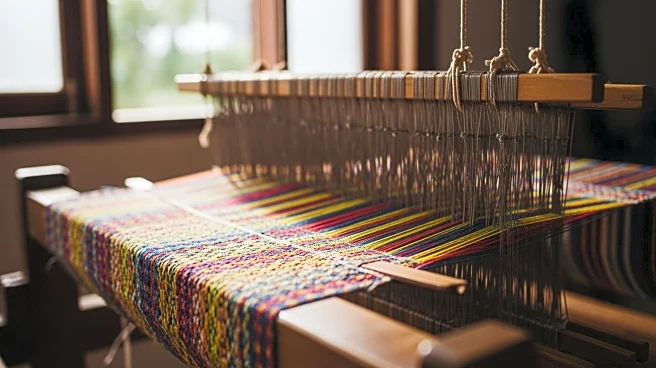
In Herat, Afghanistan, a sock production workshop is providing employment opportunities for the disabled community. The initiative, led by Mohammad Amiri, a former grocery shop worker disabled by polio,
employs around 50 disabled individuals. The workshop produces four types of socks, offering a source of income for its workers. Shahabuddin, a double amputee due to a roadside bomb, is among those who have found satisfaction and purpose in this work after years of unemployment. Despite facing competition from cheap textile imports, the workshop is funded by people with disabilities and aims to expand its workforce significantly.
Why It's Important?
This initiative highlights the critical need for integrating persons with disabilities into economic activities, especially in regions like Afghanistan where economic and health challenges are prevalent. By providing employment, the workshop not only supports the disabled community but also contributes to the local economy. The potential expansion of the workforce to 2,000 individuals and securing government contracts to supply socks to Afghan security forces could further enhance economic stability and social inclusion for disabled individuals. This model could serve as an example for similar initiatives in other regions facing economic and social challenges.
What's Next?
Mohammad Amiri's vision includes expanding the workforce to 2,000 employees and securing government contracts to supply socks to Afghan security forces. This expansion would require overcoming challenges such as competition from cheap imports and securing necessary funding. The success of this initiative could encourage other regions to adopt similar models, promoting economic inclusion for disabled individuals. The Afghan government and international organizations may play a crucial role in supporting such initiatives through policy and financial support.