




What's Happening?
Negotiations are ongoing in Cairo between Hamas, U.S. representatives, and mediators regarding a proposed disarmament plan for Hamas in Gaza. The plan involves dismantling Hamas's military capabilities over six to eight months, with the process overseen
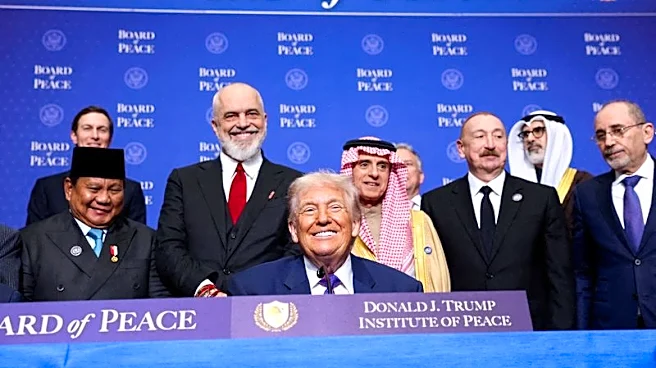
by Palestinian security personnel and an international stabilization force. Despite the ceasefire, Hamas has accused Israel of not fulfilling its commitments, including allowing adequate humanitarian aid into Gaza. Prime Minister Benjamin Netanyahu has stated that Israel will not tolerate terrorist groups on its borders, emphasizing control over more than half of Gaza. International pledges amounting to $7 billion have been secured for Gaza's reconstruction, contingent on progress in disarmament.
Why It's Important?
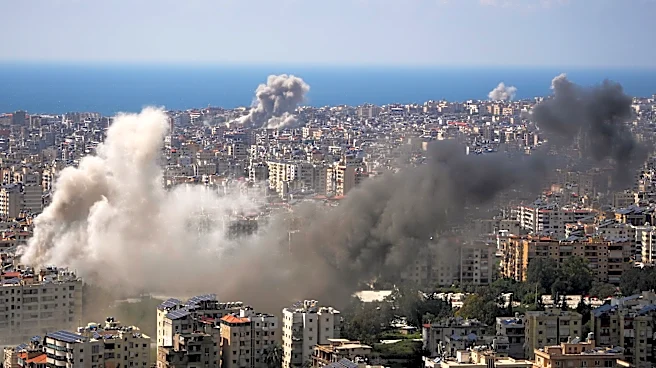
The disarmament plan is crucial for the reconstruction of Gaza, which has been devastated by conflict. Successful implementation could lead to significant international investment and development in the region, improving living conditions for Palestinians. However, the plan's success hinges on Hamas's cooperation, which remains uncertain. The situation impacts regional stability, with potential consequences for Israeli security and international relations. The involvement of international forces and funding underscores the global interest in resolving the conflict and rebuilding Gaza.
What's Next?
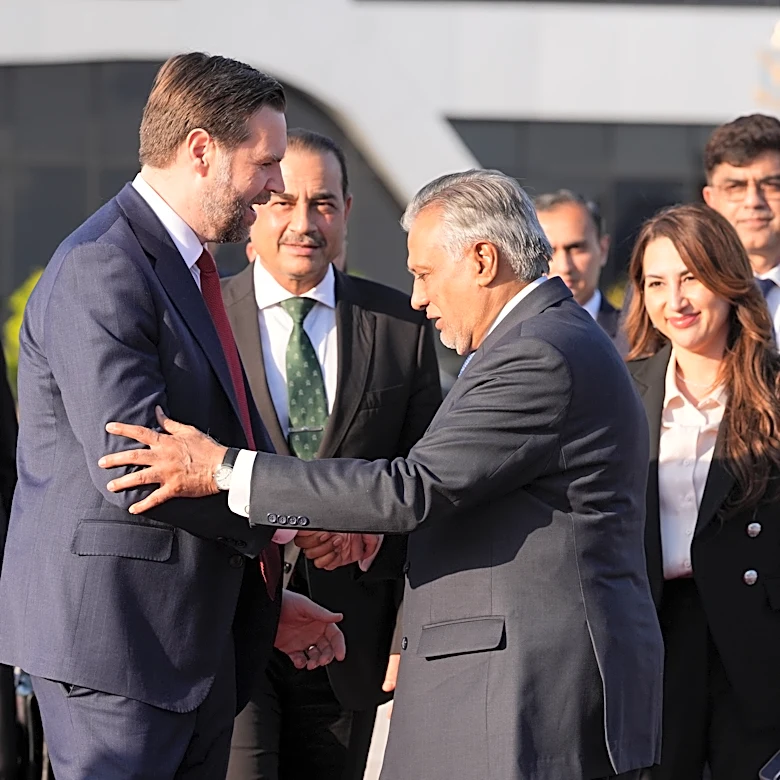
A decision from Hamas regarding the disarmament plan is expected within days. If accepted, the phased disarmament process will begin, potentially leading to the deployment of international forces and the start of reconstruction efforts. The outcome will influence future negotiations and regional dynamics, with stakeholders closely monitoring Hamas's response. Continued talks in Cairo and recent discussions with Turkish President Recep Tayyip Erdogan indicate ongoing diplomatic efforts to reach a resolution.