




What's Happening?
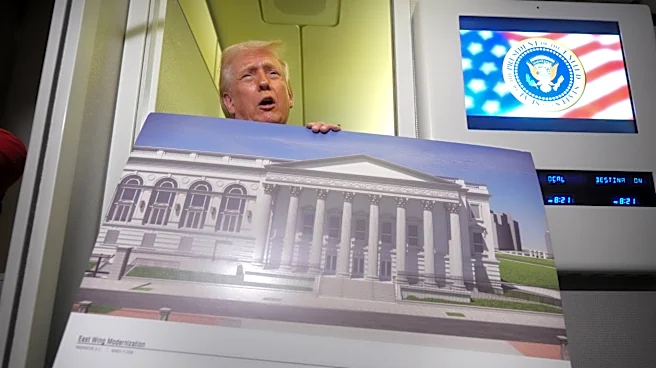
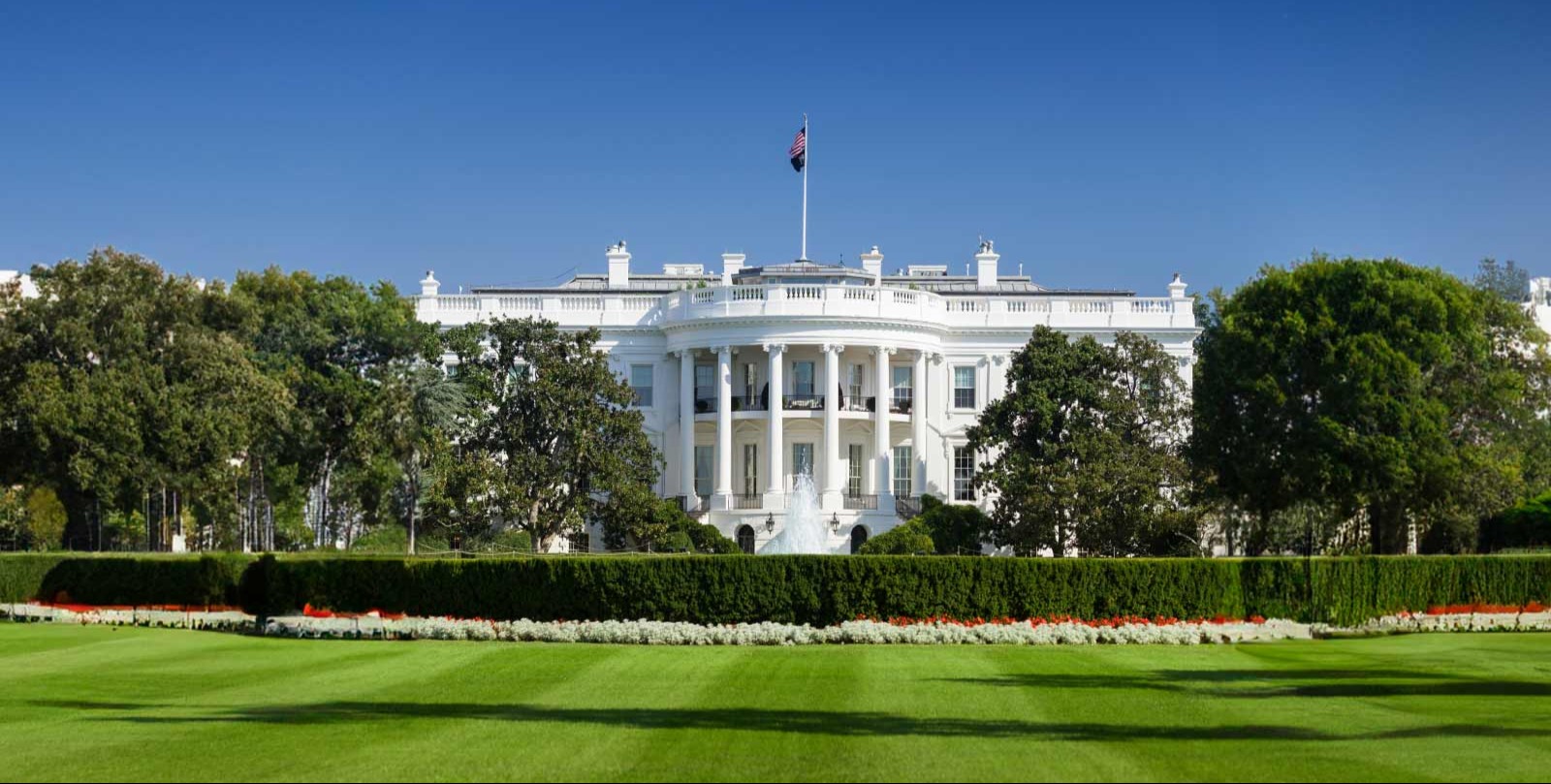
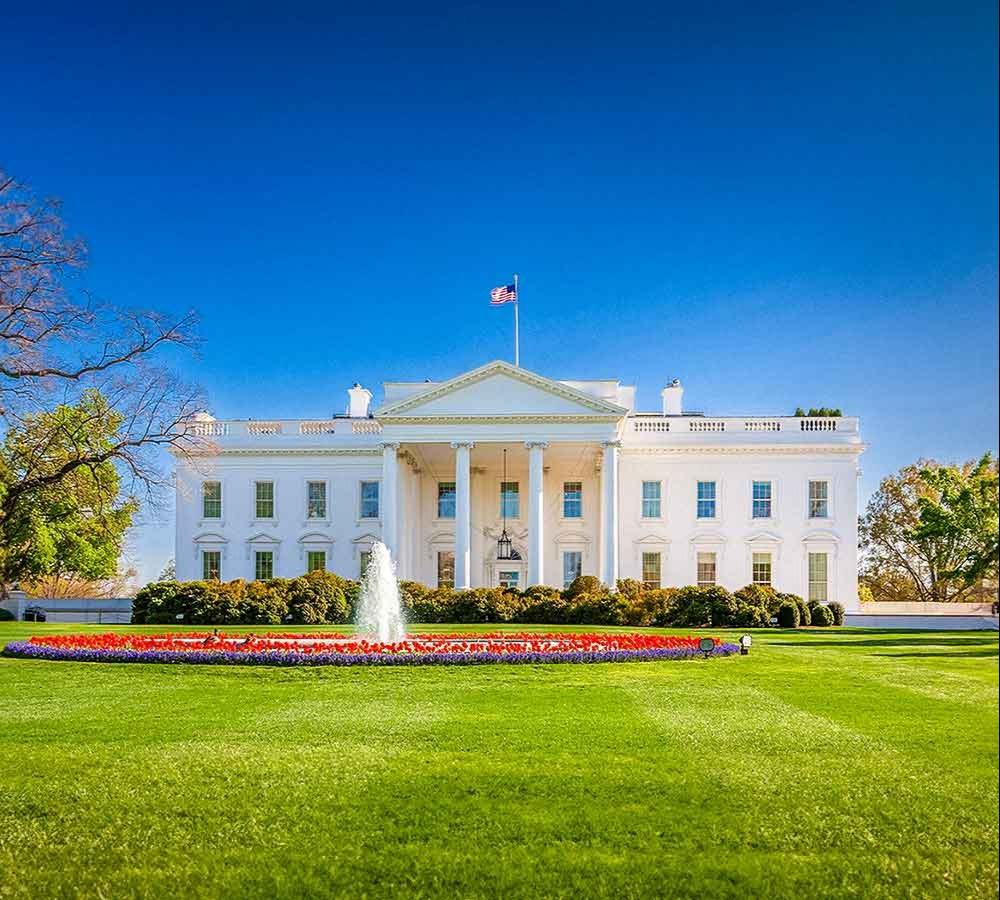
President Trump has filed an emergency motion to continue the construction of a new ballroom at the White House, citing national security concerns. The construction was halted by a court ruling from Judge Richard Leon, who argued that the project required
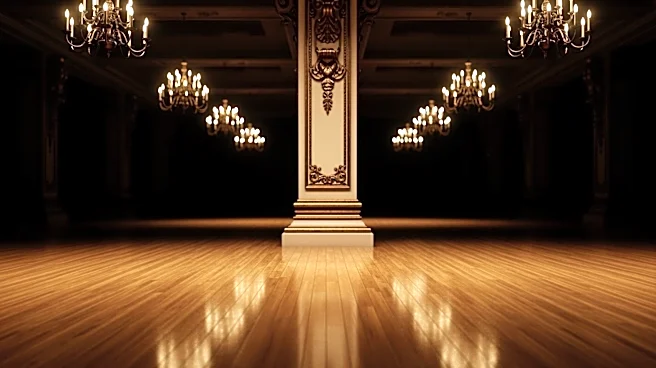
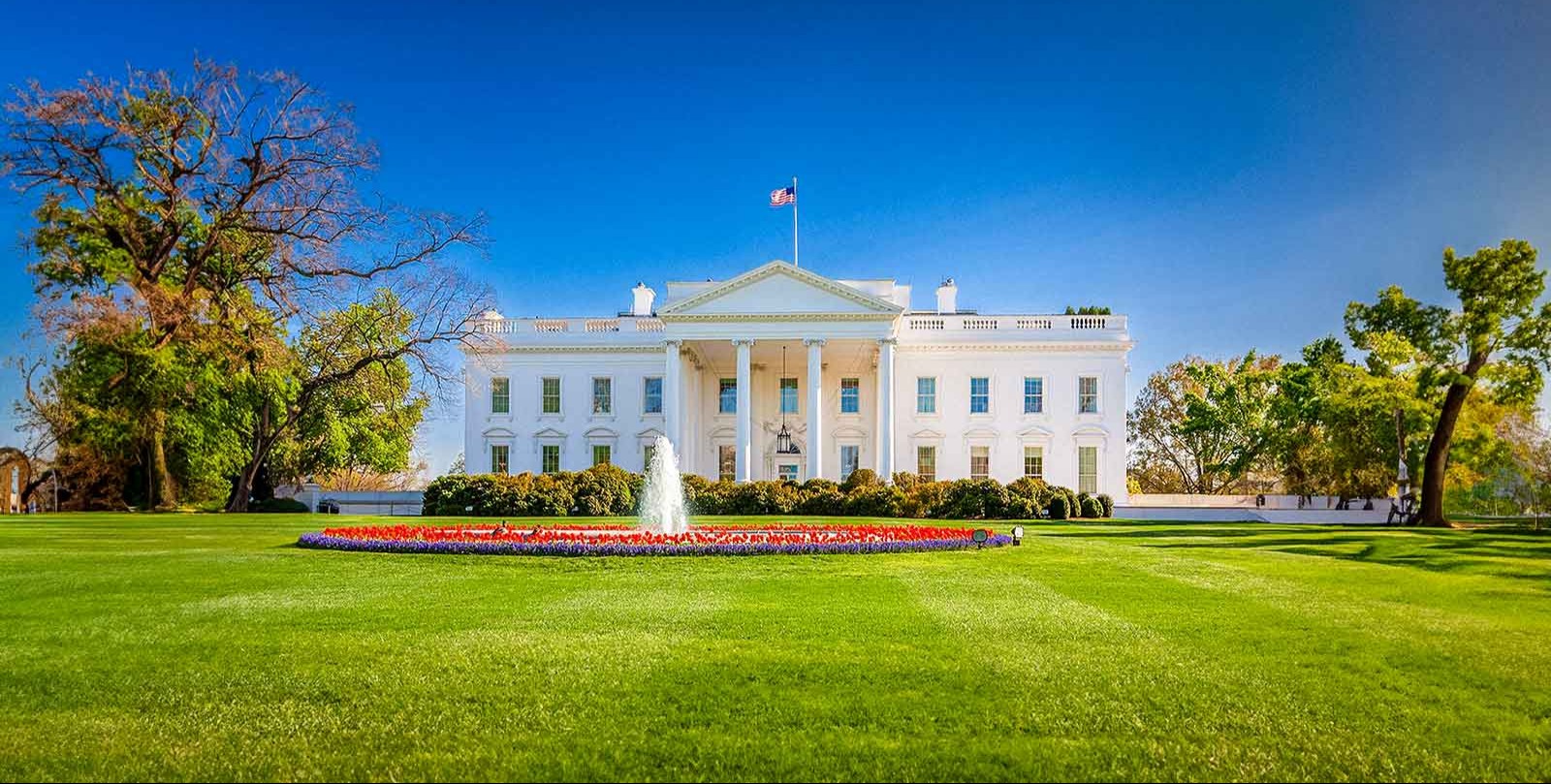
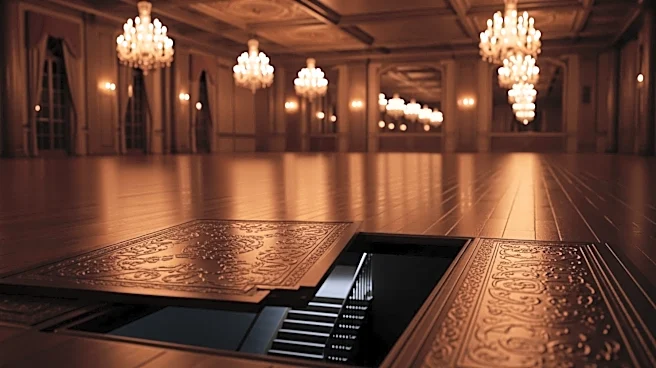
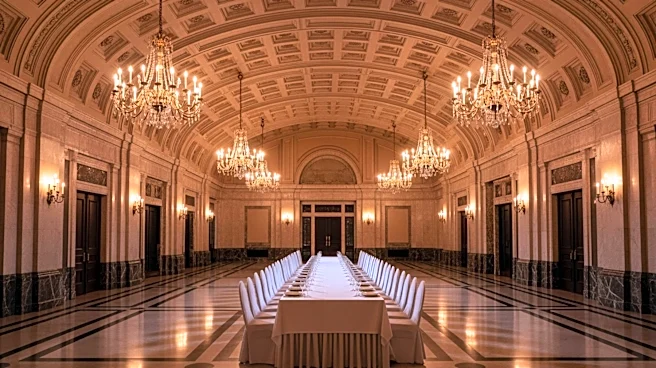
congressional approval due to its transformative nature. The Trump administration claims that the suspension of construction leaves a significant excavation site next to the executive mansion, posing potential security risks. The proposed ballroom, inspired by Trump's Mar-a-Lago resort, has faced criticism from historians and preservationists who fear it could damage the historical integrity of the White House. Despite these concerns, commissions led by Trump allies have approved the project, which has grown in cost from $200 million to nearly $400 million.
Why It's Important?
The construction of the White House ballroom is significant as it raises questions about the balance between presidential authority and historical preservation. The project has sparked debate over the ethical implications of using private donations for public projects, as critics argue this could lead to undue influence. Additionally, the expansion of the ballroom highlights the ongoing tension between modernization and the preservation of historical sites. The outcome of this legal battle could set a precedent for future presidential renovations and the role of Congress in approving such projects. The decision also underscores the importance of maintaining the historical and architectural integrity of national landmarks.
What's Next?
The Trump administration has appealed Judge Leon's injunction, seeking to resume construction. The administration argues that the project is essential for national security and has claimed broad authority to make changes to the White House. The next steps involve potential congressional involvement, as Judge Leon's ruling requires congressional approval for the project to proceed. The administration's appeal and the response from Congress will determine the future of the ballroom construction. Stakeholders, including preservationists and political leaders, are likely to continue voicing their opinions as the situation develops.