
What's Happening?
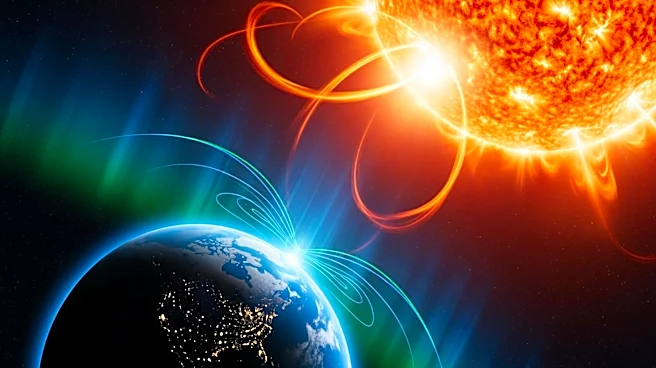
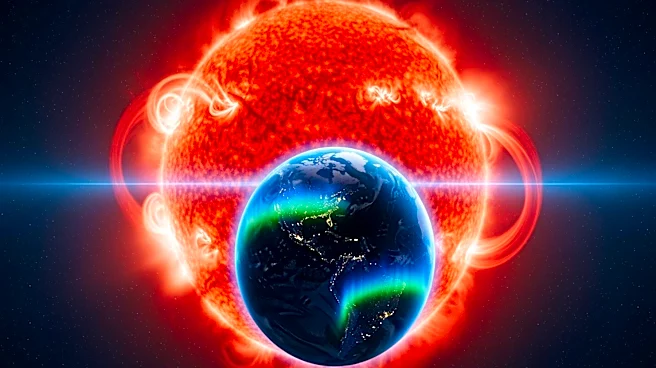
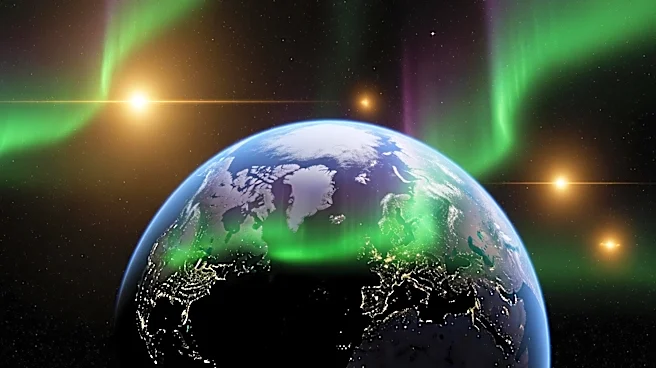
The National Oceanic and Atmospheric Administration's (NOAA) Space Weather Prediction Center has issued a strong G3 geomagnetic storm warning for June 4 through June 5. This warning comes as multiple coronal
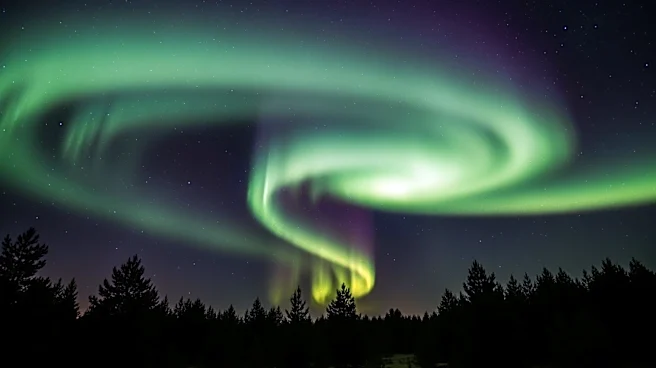
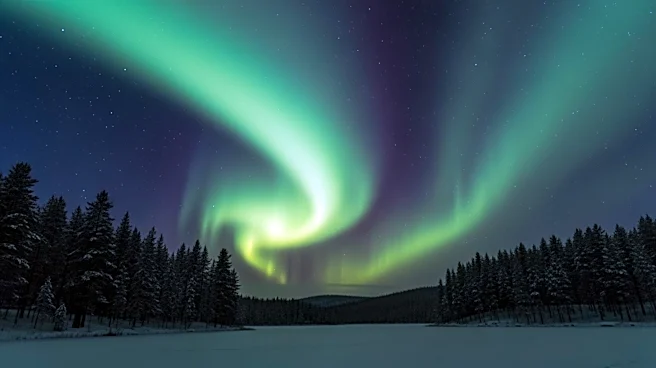
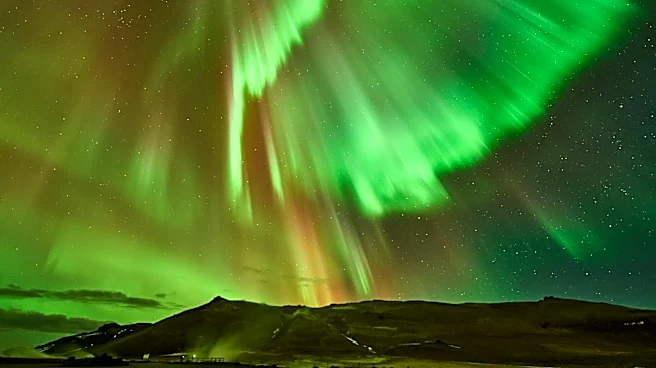
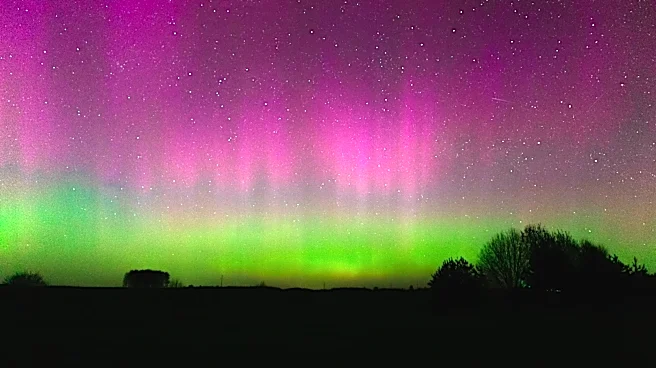
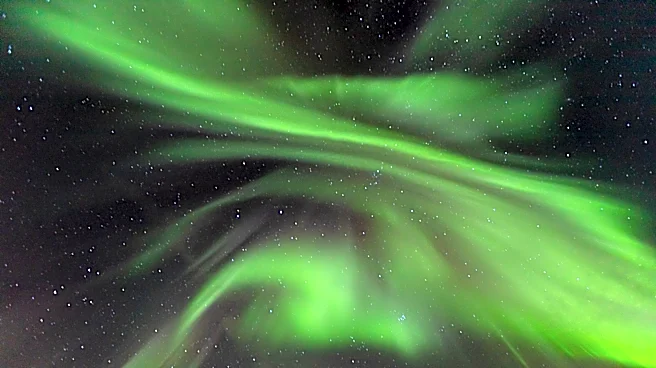
mass ejections (CMEs) are expected to impact Earth, potentially merging into a 'cannibal CME' that could intensify the storm's effects. These CMEs were launched by a series of powerful solar eruptions from sunspot region 4455, including an M9.3 flare, an M7.7 flare, and an X1-class flare. The resulting geomagnetic storm conditions could make auroras visible as far south as Illinois and Oregon. The strongest geomagnetic activity is anticipated during the evening and overnight hours, with peak conditions expected between 2 p.m. and 5 p.m. EDT and again between 8 p.m. and 11 p.m. EDT.
Why It's Important?
The potential visibility of auroras in mid-latitudes, such as Illinois and Oregon, is a rare event that excites both scientists and the public. Geomagnetic storms can have significant impacts on satellite operations, GPS systems, and power grids, making it crucial for industries reliant on these technologies to prepare for possible disruptions. The merging of CMEs into a 'cannibal CME' could further amplify these effects, highlighting the importance of monitoring space weather. For aurora enthusiasts, this event presents a unique opportunity to witness the northern lights in areas where they are not typically visible.
What's Next?
As the CMEs approach Earth, scientists will continue to monitor the situation closely to provide updates on the storm's intensity and timing. Stakeholders in industries such as telecommunications, aviation, and energy will need to stay informed to mitigate potential disruptions. The public is advised to look for auroras after dark on June 4 into the early hours of June 5, with the best viewing times during the peak geomagnetic activity. However, the complex nature of the storm setup means that the timing and intensity could shift, requiring ongoing attention to forecasts.