




What's Happening?
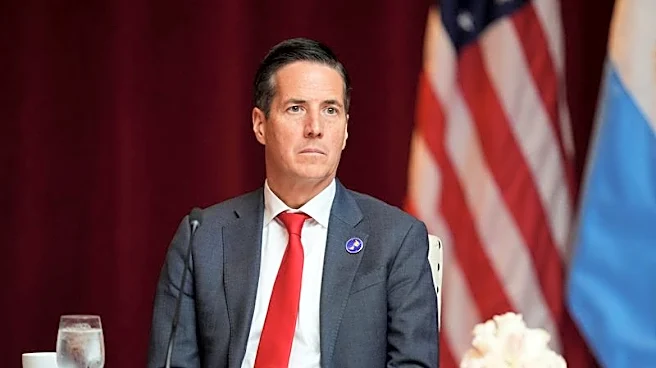
Representative Andre Carson, a Democrat, recently participated in the Congressional Black Caucus (CBC) Transportation Braintrust, an event focused on the theme of 'Connecting Communities to Opportunities.' The braintrust, co-founded by COMTO and the late
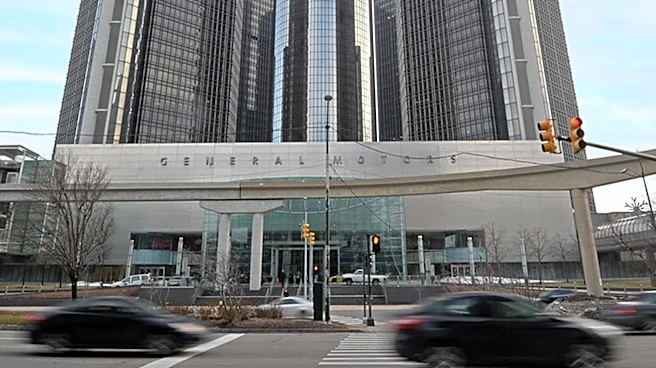
Rep. Elijah Cummings, aims to ensure community voices are integrated into transportation policy. The event featured a panel discussion moderated by actress and talk show host Claudia Jordan, with participants including COMTO Chair Dr. Lester Woods, Christopher Coes, CEO of America FWD, Veronica Davis, CEO of Northway Strategies, Terry Travis, Co-Founder of EV Noire, and Joell Gamble Copeland, Chief Economist of General Motors. Discussions highlighted the need for innovation in transportation systems, with Coes likening current systems to 'Windows 95' needing an 'iPhone' upgrade. The event also emphasized the importance of engaging young people in the transportation industry through initiatives like COMTO's internship program, which prepares individuals for various careers in the sector. The CBC Transportation Braintrust was co-sponsored by GM and CSX.
Why It's Important?
This initiative is crucial for addressing transportation equity and infrastructure development across the U.S. By focusing on 'Connecting Communities to Opportunities,' the braintrust directly tackles disparities in access to essential services, employment, and education that often disproportionately affect underserved communities. Improved transportation infrastructure can stimulate local economies, create jobs, and enhance social mobility. The emphasis on engaging young people in the transportation industry is vital for workforce development, ensuring a pipeline of skilled professionals to design, build, and maintain future transportation systems. Furthermore, the discussion around upgrading transportation systems from outdated models to more modern, efficient solutions underscores the need for significant investment and policy innovation to meet contemporary demands and environmental goals. The involvement of various stakeholders, from government officials to industry leaders and community advocates, highlights a collaborative approach to solving complex transportation challenges.
What's Next?
The discussions and insights from the CBC Transportation Braintrust are expected to inform future legislative efforts and policy decisions regarding transportation in the U.S. While the 'Reconnecting Communities' program was not included in the House Transportation and Infrastructure Committee's 'BUILD America 250' proposal, progress is still being made through initiatives like the USDOT Thriving Communities Program, in which COMTO serves as a capacity builder. This program is entering its third year and continues to advance transportation projects in 16 communities nationwide. Stakeholders will likely continue to advocate for policies that prioritize community access, economic equity, and sustainable transportation solutions. The ongoing efforts to engage young people in the transportation sector suggest a long-term strategy for workforce development and innovation. Future legislative sessions and infrastructure bills will likely reflect the priorities discussed at events like the braintrust, aiming to modernize and expand the nation's transportation network.
Beyond the Headlines
The braintrust's focus on 'Connecting Communities to Opportunities' extends beyond mere infrastructure projects; it delves into the ethical and social dimensions of urban planning and development. Historically, transportation infrastructure has sometimes exacerbated community divisions, particularly in urban areas. The current emphasis on 'repairing divided communities' through inclusive transportation planning signifies a shift towards a more equitable and socially conscious approach. This involves not only physical infrastructure but also policy frameworks that consider the social impact of transportation decisions. The call for a 'new' transportation system, moving from a 'Windows 95' model to an 'iPhone,' implies a need for technological integration, sustainability, and user-centric design. This broader vision could lead to innovations in public transit, electric vehicle infrastructure, and smart city initiatives, ultimately reshaping how Americans live, work, and interact within their communities. The long-term implications include fostering more resilient, connected, and economically vibrant communities across the nation.