









What's Happening?
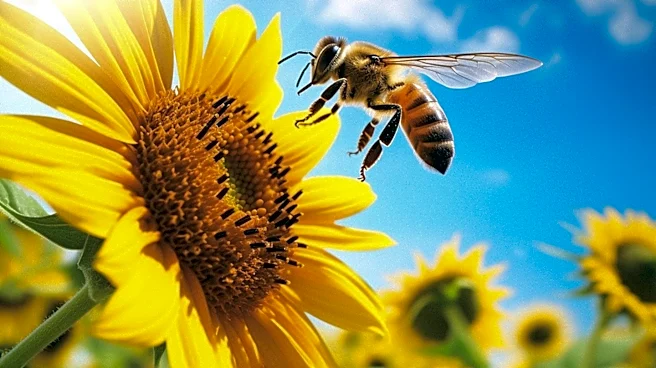
Honeybees, though small, are identified as critical workers in Georgia's agricultural sector, essential for pollinating a vast array of fruits, vegetables, and crops. These pollinators move across fields and orchards each spring, facilitating the production
of food that stocks grocery store shelves. Without their labor, the agricultural industry would face significant challenges. However, there is growing concern among beekeepers and agricultural researchers regarding the pressures on this vital workforce. Factors such as Varroa mites, diseases, nutritional stress, and extreme climate swings (both wet and dry conditions) are weakening bee colonies. This decline in the feral bee population has led to an increased reliance on managed hives, with farmers often renting bees for a season to boost crop yields. The importance of bees extends beyond honey production, as they are fundamental to the pollination of most crops, making their health a year-round monitoring concern for beekeepers like Kim Bridges.
Why It's Important?
The health and sustainability of honeybee populations directly impact the U.S. food supply chain, particularly in agricultural states like Georgia. A decline in bee numbers threatens the availability and cost of numerous crops, including fruits, vegetables, and nuts, which rely heavily on bee pollination. This could lead to higher food prices for consumers and reduced profitability for farmers. The increasing need for farmers to rent managed hives highlights a systemic issue in natural pollination services, indicating a potential long-term shift in agricultural practices and increased operational costs for producers. Furthermore, the challenges faced by bees, such as mites, diseases, and climate change, underscore broader environmental concerns that could have cascading effects on biodiversity and ecosystem stability, ultimately affecting agricultural resilience and food security across the nation.
What's Next?
Addressing the threats to honeybee populations will require continued efforts in research, education, and conservation. Beekeepers and agricultural researchers will likely intensify their monitoring of colony health and explore new strategies to combat pests like Varroa mites and mitigate the effects of disease and nutritional stress. Educational initiatives, such as those by the SOWEGA Beekeepers Club, will remain crucial for training new beekeepers and raising public awareness about the importance of pollinators. Farmers may increasingly integrate managed bee colonies into their operations, potentially driving demand for commercial beekeeping services. Policy discussions could also emerge regarding agricultural practices that support pollinator health, such as reducing pesticide use or promoting pollinator-friendly habitats. The long-term success of Georgia's agriculture, and by extension, the national food supply, hinges on the ability to support and protect these tiny, yet indispensable, workers.
Beyond the Headlines
The plight of honeybees extends beyond immediate agricultural concerns, touching upon deeper ecological and economic implications. The reliance on managed hives rather than a robust feral bee population signals a potential imbalance in natural ecosystems, raising questions about the long-term sustainability of current agricultural models. The economic impact of bee decline is not limited to crop yields; it also affects industries reliant on agricultural byproducts and the broader rural economy. Ethically, the situation prompts reflection on humanity's stewardship of the environment and the interconnectedness of species. Culturally, the 'Georgia Grown' initiative, which emphasizes local produce, implicitly relies on healthy pollinator populations, linking consumer choices to ecological well-being. The challenges faced by bees serve as a microcosm of larger environmental issues, urging a reevaluation of how human activities impact natural systems and the critical services they provide.