








What's Happening?
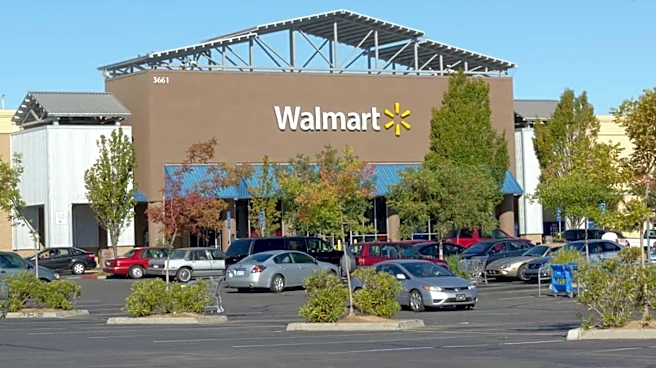
A Walmart store in San Jose, California, has introduced new security measures to prevent meat theft by placing high-value cuts of beef and packages of ground meat inside metal security cages. This action was highlighted by influencer Tony Bartleson, known
online as 'Meatdad', who shared a video showing rib-eye steaks and ground beef wrapped in wire security devices. The video, which has garnered over 3.8 million views, depicts a cowboy rib-eye priced at nearly $16 a pound and a three-pound package of ground beef locked in its own metal cage. Bartleson expressed his surprise at the response and commented on the sad reality of seeing basic food items locked behind cages. The move has sparked a debate among shoppers, with some supporting the retailer's decision as a necessary step to combat theft, while others criticize it as a reflection of broader societal issues.
Why It's Important?
The implementation of security measures in grocery stores highlights the growing issue of retail theft, which has been exacerbated by rising food prices. This trend reflects broader economic challenges, including inflation and income inequality, which can lead to increased theft as individuals struggle to afford basic necessities. The decision by Walmart to lock up meat products could set a precedent for other retailers facing similar challenges, potentially leading to widespread changes in how stores manage high-theft items. While some consumers support these measures as a way to protect merchandise and prevent price increases, others view it as a symptom of deeper societal problems that need to be addressed, such as ensuring equitable access to food and resources.
What's Next?
If theft continues to be a significant issue, more retailers may adopt similar security measures, potentially leading to a shift in how grocery stores operate. This could involve increased use of technology and security devices to protect high-value items. Additionally, there may be calls for policy changes to address the root causes of theft, such as economic inequality and food insecurity. Retailers might also explore alternative solutions, such as community programs or partnerships with local organizations, to help address the underlying issues driving theft. The public response to these measures will likely influence future decisions by retailers and policymakers.