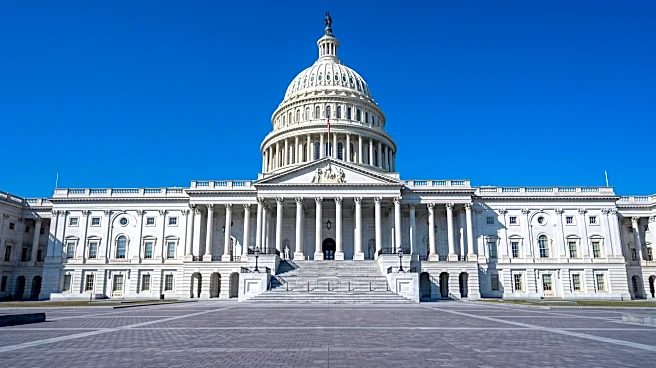








What's Happening?
Del. Eleanor Holmes Norton (D-DC) voted 'Nay' on the Greene Amendment to H.R. 3838, which sought to prohibit the Department of Defense (DOD) from using fiscal year 2026 funds for the research, development, procurement, or promotion of cell-cultured meat.
The House of Representatives rejected this amendment with a vote of 194–236, with one member voting present. A 'Nay' vote on this amendment is considered a pro-animal position by the source. This action is part of a broader legislative record for Del. Norton, who has consistently supported animal welfare initiatives. Her legislative efforts include cosponsoring bills such as the Greyhound Protection Act, the FDA Modernization Act 3.0 (which aims to make animal testing optional in new drug development), and the Pigs In Gestation Stalls (PIGS) Act. She has also supported measures to strengthen enforcement against animal fighting and to ban the use of lead ammunition on National Wildlife Refuge lands. Her voting record indicates a pattern of advocating for policies that protect animals and promote alternatives to traditional animal agriculture and testing methods.
Why It's Important?
Del. Norton's vote against prohibiting DOD funds for cultivated meat research is significant as it reflects a stance supportive of emerging food technologies and potentially sustainable protein sources. Cultivated meat, also known as cell-cultured meat, is an alternative to conventional slaughter-based meat production, and its development could have substantial implications for the U.S. food industry, environmental sustainability, and animal welfare. By opposing the amendment, Del. Norton aligns with those who see potential in cultivated meat to reduce the environmental footprint of meat production, address food security concerns, and mitigate ethical issues associated with traditional animal farming. This legislative decision could influence future federal funding allocations for alternative protein research and development, potentially accelerating the commercialization and integration of cultivated meat into the American diet. For the animal welfare community, this vote is seen as a positive step, as it supports a technology that could reduce the reliance on industrial animal agriculture. Conversely, traditional livestock industries might view such support as a challenge to their established markets and practices.
What's Next?
The rejection of the Greene Amendment means that the Department of Defense will not be explicitly prohibited from using FY2026 funds for cultivated meat research, development, procurement, or promotion. This leaves the door open for continued federal investment and exploration into this emerging food technology. Future legislative efforts may continue to debate the role of government funding in supporting or restricting the cultivated meat industry. Stakeholders, including cultivated meat companies, traditional agricultural lobbies, and animal welfare organizations, will likely continue to advocate for their respective interests in Congress. The FDA and USDA, which are involved in the regulatory framework for cultivated meat, will continue to play a crucial role in shaping its future in the U.S. market. The ongoing development and regulatory approval processes for cultivated meat products will determine their eventual availability and acceptance among consumers. Further research and public discourse on the benefits and challenges of cultivated meat are also anticipated.
Beyond the Headlines
The debate surrounding cultivated meat extends beyond immediate funding decisions, touching upon broader ethical, economic, and environmental considerations. The support for cultivated meat research, as indicated by the vote, reflects a growing societal interest in sustainable food systems and animal welfare. This technology could fundamentally alter the landscape of food production, potentially leading to a decrease in land and water usage associated with traditional livestock farming, and a reduction in greenhouse gas emissions. However, it also raises questions about the economic impact on conventional farmers and the potential for job displacement in the agricultural sector. From an ethical standpoint, cultivated meat offers a solution to the moral concerns surrounding animal slaughter and intensive farming practices. The long-term implications include shifts in consumer preferences, the development of new supply chains, and the need for robust regulatory frameworks to ensure product safety and public trust. This legislative action is a small but significant step in the ongoing evolution of how the U.S. approaches food production and consumption in the 21st century.