


What's Happening?
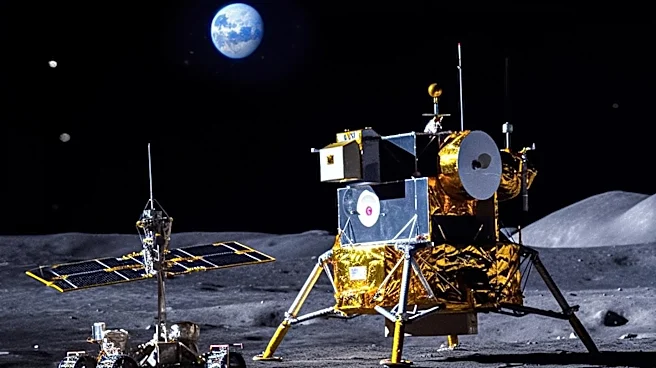
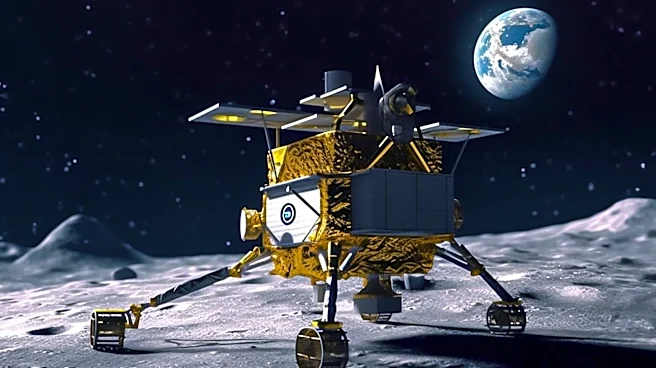
Firefly Aerospace is preparing for its Blue Ghost Mission 2, which aims to achieve the first US landing on the Moon's far side. This mission is part of NASA's broader plan to establish a lunar base by 2029. The Blue Ghost lander, mounted on Firefly's
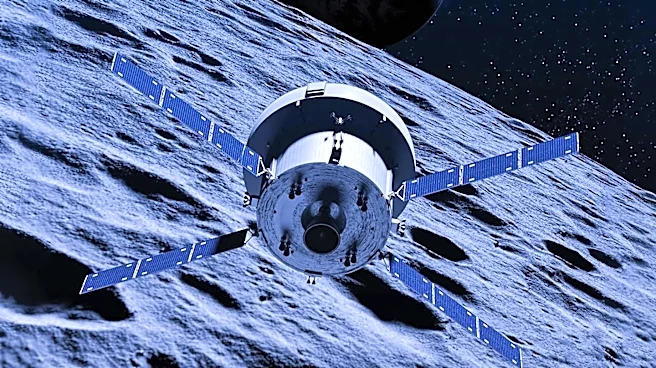
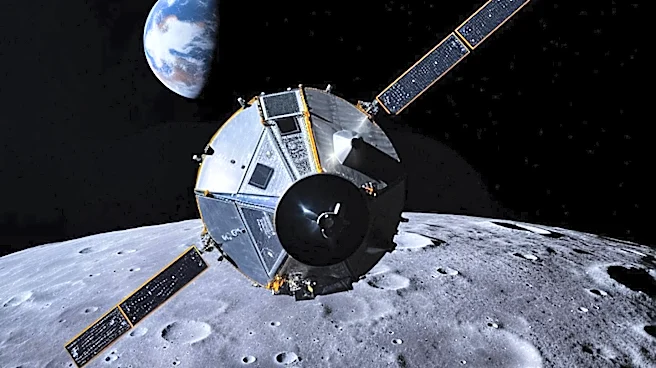
Elytra orbital spacecraft, will carry three NASA payloads to explore the Moon's geology and the cosmic Dark Ages. The mission is designed to advance scientific research and test technologies for future lunar habitation. The Elytra spacecraft allows for payload deployment both in lunar orbit and on the surface, providing flexibility for scientific and logistical operations. This mission builds on the success of Firefly's first lunar landing and is part of NASA's Commercial Lunar Payload Services (CLPS) program, which aims to establish a reliable supply system between Earth and the Moon.
Why It's Important?
The Blue Ghost Mission 2 is significant as it represents a critical step in NASA's efforts to establish a sustainable human presence on the Moon. By exploring the Moon's far side, the mission will provide valuable insights into lunar geology and the early universe, which could inform future scientific and exploration efforts. The mission also demonstrates the growing role of commercial partnerships in space exploration, with companies like Firefly Aerospace playing a key role in NASA's lunar ambitions. The technologies tested during this mission could pave the way for future infrastructure and habitation on the Moon, supporting long-term human activities and scientific research.
What's Next?
Following the Blue Ghost Mission 2, NASA plans to continue its series of robotic missions to the Moon, with more than 20 landings planned through 2029. These missions will focus on delivering equipment, conducting scientific research, and testing technologies necessary for future human operations on the lunar surface. The success of these missions will be crucial for establishing the infrastructure needed for a permanent lunar base. Additionally, NASA's CLPS program will continue to facilitate regular cargo deliveries, ensuring a dependable supply chain between Earth and the Moon.