






What's Happening?
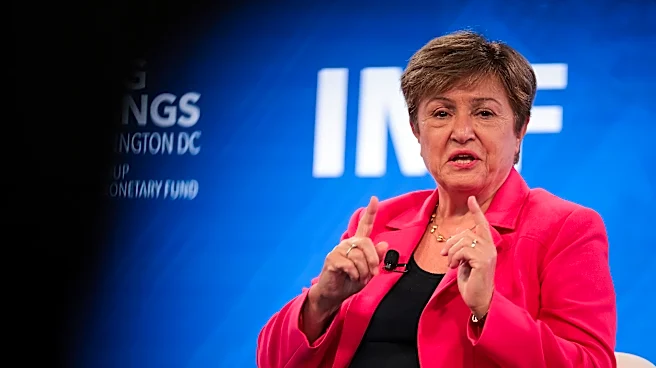
The International Monetary Fund (IMF) has endorsed Colombia's proposed Economic Rescue Law, calling it a crucial step toward stabilizing the nation's public debt. This assessment was released on November 17, following a technical mission to Bogotá from
November 3 to 13, as part of the 2026 Article IV consultation. The law, introduced by President Abelardo De La Espriella's administration, aims to implement spending cuts equivalent to 2.2% of GDP, or approximately COP 40 trillion. Vice President José Manuel Restrepo has warned of a potential fiscal crisis in early 2027 if timely action is not taken. The 106-article bill focuses on five key areas: reducing public payroll, liquidating special-purpose funds, reforming income and deduction ceilings, adjusting VAT rates through 2027–2028, and introducing a new investment incentive mechanism (RUGE) offering a 20% tax rate for megaprojects in those years. Congress faces a December 16 deadline to pass Project 477 of 2026, without which Colombia would lack a credible financing strategy for 2027. Despite international endorsements, the CUT labor federation has called for a national strike on November 19 to protest proposed VAT increases on everyday goods, though the government later announced it would remove VAT provisions on basic food basket products.
Why It's Important?
The IMF's endorsement provides significant international backing for Colombia's fiscal reform efforts, which are critical for maintaining investor confidence and avoiding a potential financial market disruption. Without these measures, Colombia could face rising borrowing costs and a disorderly economic adjustment, impacting its financial stability and growth prospects. The proposed spending cuts and revenue adjustments are designed to reduce public debt, which officials project could be 19.3 percentage points of GDP lower by 2030 if the law is enacted. This could prevent job losses, with the government warning that inaction could cost 360,000 jobs. The support from the IMF, World Bank, and Banco de la República strengthens the De La Espriella government's position, but the ultimate success hinges on congressional approval. The domestic opposition, particularly from labor unions protesting VAT increases, highlights the social and political challenges of implementing austerity measures, which could lead to public unrest and complicate the legislative process. The outcome will significantly influence Colombia's economic trajectory and its ability to manage inherited fiscal challenges.
What's Next?
The immediate next step is for the Colombian Congress to vote on Project 477 of 2026 before its legislative session concludes on December 16. The De La Espriella administration has filed an urgency and insistence message, urging lawmakers to prioritize the bill. The outcome of this vote will determine whether Colombia enters 2027 with a credible fiscal strategy. If the law passes, it will signal to international markets Colombia's commitment to fiscal discipline, potentially stabilizing investor confidence and borrowing costs. If it fails, the country could face increased financial instability and a potential fiscal crisis. Domestically, the national strike called by the CUT labor federation for November 19 will test the government's ability to manage public dissent against the proposed reforms. The government's decision to remove VAT provisions on basic food items may mitigate some opposition, but broader concerns about tax increases and spending cuts remain. Further discussions with international bodies regarding potential financing arrangements, such as a Stand-By Arrangement with the IMF, are also ongoing, with terms and amounts still under discussion.