







What's Happening?
Numerous popular U.S. travel destinations, including Acadia National Park, Mackinac Island, Williamsburg, Shenandoah National Park, Harpers Ferry, Asheville, Santa Fe, Sedona, Napa Valley, Charleston, and Great Smoky Mountains National Park, are highlighted
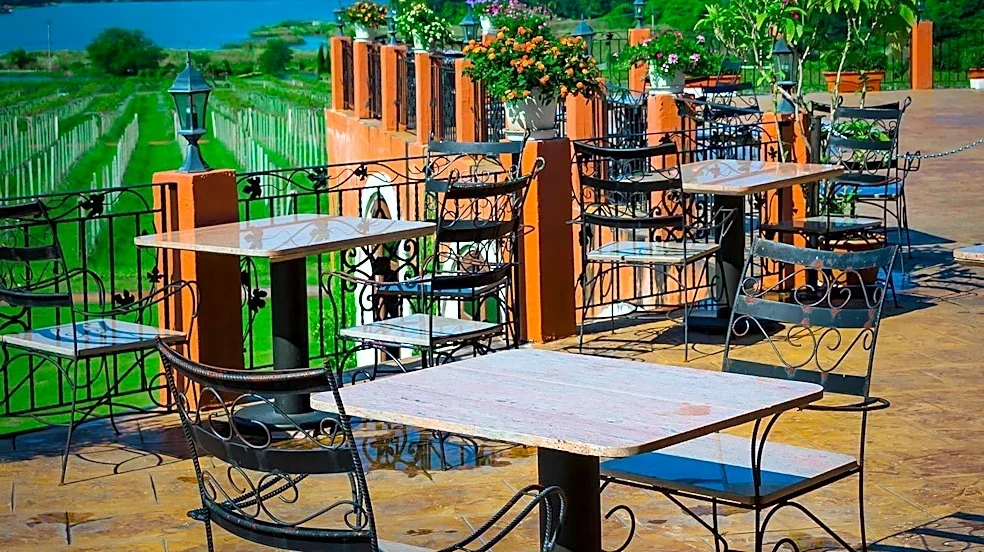
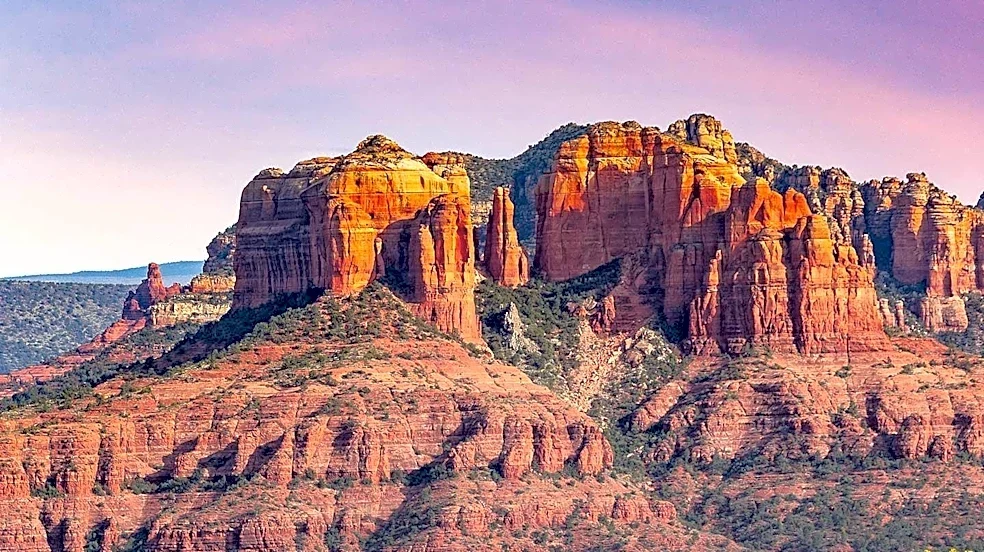
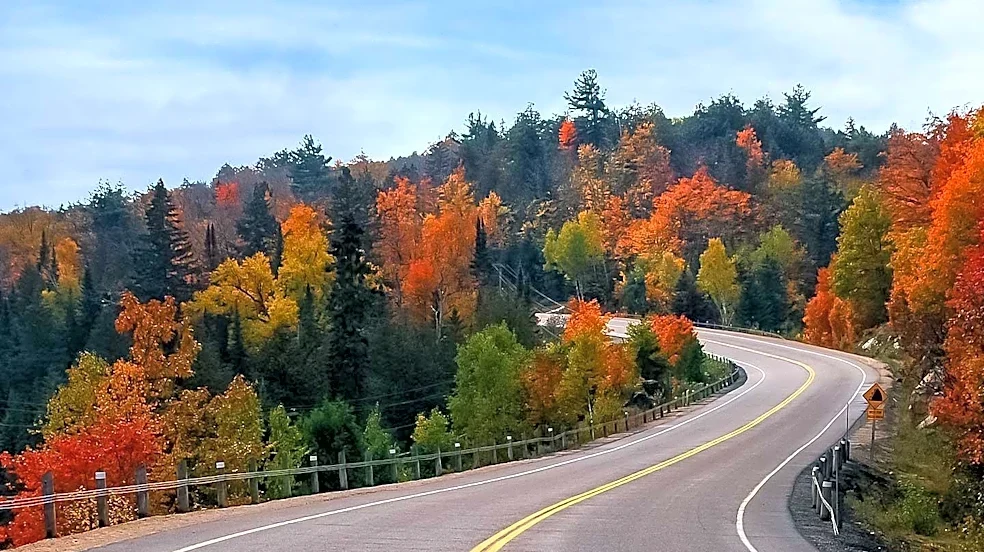
as offering superior experiences during the fall season. The cooler temperatures make outdoor activities more comfortable, and the changing foliage provides scenic beauty. Harvest season in regions like Napa Valley brings increased activity and energy to vineyards and tasting rooms. Many locations, such as Charleston and Sedona, become more enjoyable for walking tours and outdoor dining as the summer heat subsides. The shift in season also often leads to a quieter pace in some areas, allowing for a more relaxed exploration of local attractions and natural landscapes.
Why It's Important?
The emphasis on fall travel to these U.S. destinations is important for the domestic tourism industry, as it encourages extended travel seasons beyond the traditional summer peak. This shift can help distribute tourist traffic more evenly throughout the year, potentially reducing overcrowding in peak months and supporting local economies during shoulder seasons. For travelers, it offers opportunities to experience popular sites with fewer crowds and more comfortable weather conditions, enhancing the overall visitor experience. Businesses in these regions, including hotels, restaurants, and tour operators, can benefit from sustained demand, leading to greater economic stability and job creation. The promotion of fall travel also highlights the diverse natural beauty and cultural offerings across the United States during a distinct time of year.
What's Next?
Travelers planning fall visits to these destinations are advised to check foliage forecasts, seasonal closures, and local events, as ideal timing can vary. For popular spots like Napa Valley and Sedona, advance reservations for winery tastings, hikes, restaurants, and accommodations are recommended due to increased activity during the fall. Many seasonal businesses on Mackinac Island, for instance, begin closing later in October, so visitors should plan accordingly. The continued promotion of fall travel is likely to influence booking patterns and marketing strategies for tourism boards and businesses in these areas, focusing on the unique autumnal attractions. This trend suggests a sustained effort to position fall as a prime travel period, potentially leading to new seasonal offerings and events.
Beyond the Headlines
The growing appeal of fall travel reflects a broader trend in how people are choosing to experience destinations, moving beyond purely summer-centric vacations. This shift can be attributed to a desire for more immersive and comfortable experiences, where the natural environment and local culture can be appreciated without the intensity of peak summer crowds and heat. It also underscores the economic resilience of the tourism sector, adapting to seasonal changes by highlighting unique advantages. Environmentally, spreading tourism across seasons could potentially reduce the concentrated impact on natural resources during peak times. Culturally, it encourages a deeper appreciation for seasonal traditions, such as harvest festivals in wine regions or the quiet contemplation offered by changing landscapes in national parks.