




What's Happening?
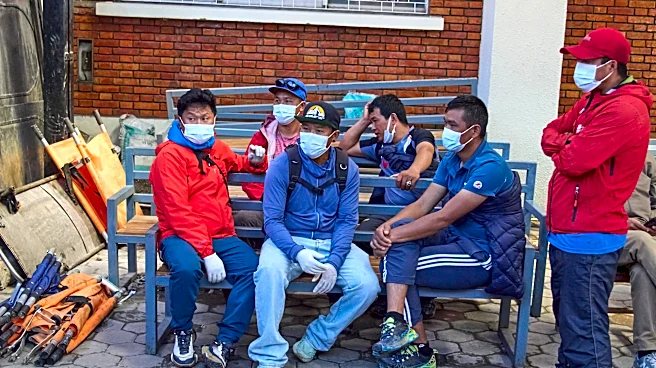
Monthly wage workers at Nepal's state-owned Herbs Production and Processing Company have been protesting for 20 days, leading to a 10-day halt in production. The workers are demanding the implementation of the Social Security Fund, festival allowances,
and compliance with a ruling issued by the Labour Court in Bhaktapur. The protest began on Bhadra 24 with workers wearing black armbands, escalating to a regular sit-in from Ashoj 5 after management allegedly failed to provide them with benefits similar to other employees. Many of the approximately 30 protesting workers are from the production section, directly impacting the company's operations. Susmita Gautam, an employee of 23 years, highlighted the lack of social security benefits and the deduction of pay for non-working days, despite a Labour Court ruling in May 2024 that affirmed their entitlement to minimum monthly wages, provident fund, gratuity, and sick leave. The workers have informed various government offices, including the Office of the Prime Minister, about the issue.
Why It's Important?
This protest underscores significant labor rights issues within a state-owned enterprise, highlighting the challenges workers face in securing legally mandated benefits and the enforcement of court rulings. The prolonged halt in production at the Herbs Production and Processing Company could have economic implications for the company and potentially for the local supply chain of herbal products. The situation also reflects broader concerns about corporate accountability and the effectiveness of labor laws in protecting workers' rights, particularly in government-affiliated entities. The involvement of the Labour Court and subsequent non-compliance by the company raises questions about the judicial system's authority and the mechanisms for ensuring fair labor practices. For the workers, the lack of social security and festival allowances, despite years of service, represents a significant financial and social insecurity, impacting their livelihoods and well-being, especially ahead of the festive season.
What's Next?
The protesting workers have stated their intention to continue the sit-in until their demands are addressed, despite wanting to return to work. They report for duty at 10 am and stage the sit-in during office hours. Having already informed the Office of the Prime Minister and Council of Ministers, the Ministry of Agriculture, Forests and Environment, the Ministry of Labour, Employment and Social Security, and the Labour and Employment Office in Teku, the next steps likely involve continued pressure on these governmental bodies to intervene. The company's management will face ongoing production disruptions and potential financial losses if the protest persists. The situation may also draw further attention from labor rights organizations and potentially lead to mediation efforts or stronger enforcement actions from the government to ensure compliance with the Labour Court's ruling.
Beyond the Headlines
The ongoing protest at the Herbs Production and Processing Company reveals deeper systemic issues concerning labor justice and the implementation of social welfare policies in Nepal. The fact that a state-owned company is allegedly failing to adhere to a court ruling in favor of its employees suggests a potential gap in governance and oversight within public sector enterprises. This could set a concerning precedent for other workers seeking to enforce their rights. The workers' decision to protest during office hours and involve multiple government ministries indicates a strategic effort to maximize visibility and pressure. This case highlights the ethical responsibility of employers, particularly state-owned ones, to uphold labor laws and provide fair compensation and benefits, which are crucial for maintaining social stability and economic equity. The long-term implications could include increased scrutiny of labor practices across other state-owned entities and a push for more robust enforcement mechanisms for labor court decisions.