



What's Happening?
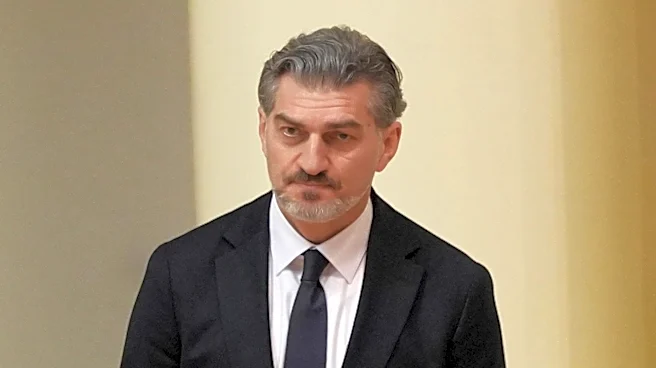
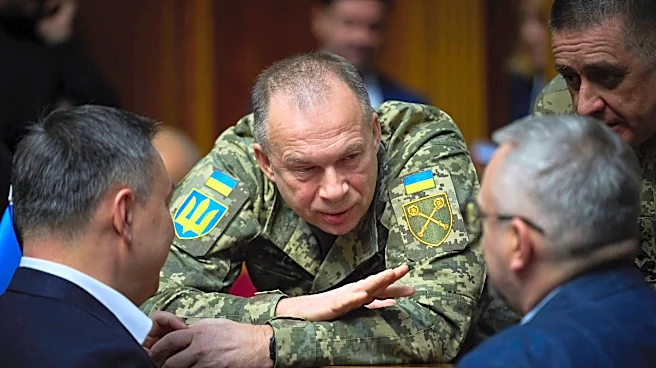
Ukraine has appointed Mykhailo Drapatyi as the new Commander-in-Chief of its armed forces, replacing General Oleksandr Syrskyi. Drapatyi, known for his innovative approach and military prowess, takes over during a period of intensified drone strikes by
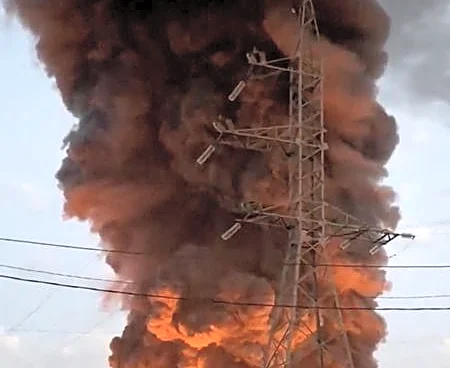
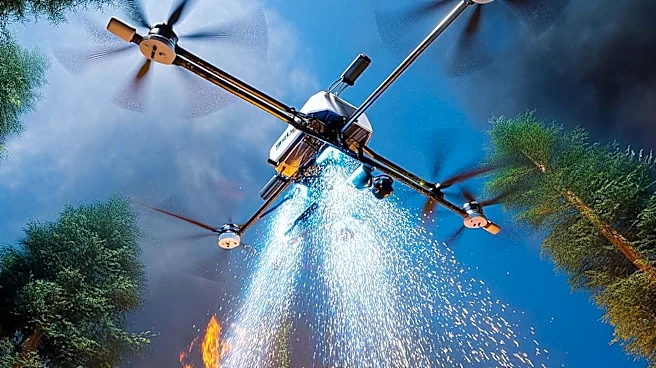
Ukraine on Russian targets. Recent attacks have targeted logistics hubs of Russia's largest online retailer, Wildberries, in various locations including Krasnodar and Stavropol. These strikes are part of Ukraine's broader strategy to disrupt Russian supply chains and weaken its economy. The appointment of Drapatyi, a supporter of technological advancements in warfare, aligns with Ukraine's ongoing efforts to leverage drone technology in its conflict with Russia.
Why It's Important?
The leadership change in Ukraine's military comes at a critical time as the country intensifies its drone warfare against Russia. This strategic shift aims to systematically dismantle Russian economic and military infrastructure, potentially altering the dynamics of the conflict. The use of drones has become a significant aspect of modern warfare, and Ukraine's advancements in this area could influence global military strategies. Additionally, the appointment of Drapatyi may signal a renewed focus on technological innovation within Ukraine's military, potentially impacting the balance of power in the region. The ongoing conflict and Ukraine's strategic moves could have broader implications for international relations and military alliances.
What's Next?
With Drapatyi at the helm, Ukraine is likely to continue its aggressive drone campaign against Russian targets. This could lead to further escalation in the conflict, prompting reactions from international stakeholders. The U.S. and other NATO countries may increase their support for Ukraine, particularly in terms of military technology and intelligence sharing. Additionally, the effectiveness of Ukraine's drone strategy could prompt other nations to reassess their own military capabilities and strategies. The situation remains fluid, and any changes in military tactics or international support could significantly impact the course of the conflict.