




What's Happening?
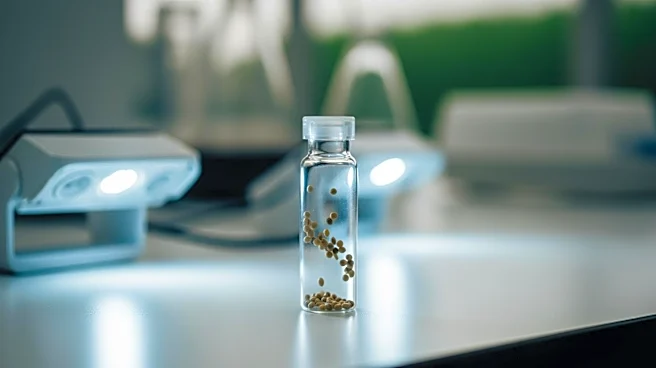
The USDA-ARS National Laboratory for Genetic Resources Preservation (NLGRP) in Ft. Collins, Colorado, plays a crucial role in maintaining a vast collection of plant and animal genetic material. Founded in 1958, the facility supports U.S. agriculture by
storing seeds and other genetic resources to aid crop improvement and ensure genetic diversity. The NLGRP uses advanced cryopreservation techniques to store genetic material, which can remain viable for centuries. This preservation effort is vital for addressing future agricultural challenges, such as climate change, pests, and diseases.
Why It's Important?
The NLGRP's work is essential for safeguarding the genetic diversity necessary to develop resilient agricultural crops and livestock. As agriculture faces increasing threats from environmental changes and new diseases, having a diverse genetic repository allows researchers to breed crops and animals that can withstand these challenges. This preservation effort supports food security and agricultural sustainability, ensuring that the U.S. can continue to produce food efficiently and effectively in the face of global changes.
What's Next?
The NLGRP will continue to expand its collection, focusing on preserving a wide range of genetic materials. Collaboration with other research institutions and agricultural stakeholders will be crucial in identifying and storing valuable genetic resources. The facility's work will likely become more critical as climate change and other factors increase the need for adaptive agricultural practices. Ongoing research and development will focus on improving storage techniques and expanding the genetic diversity available for future breeding programs.