

What's Happening?
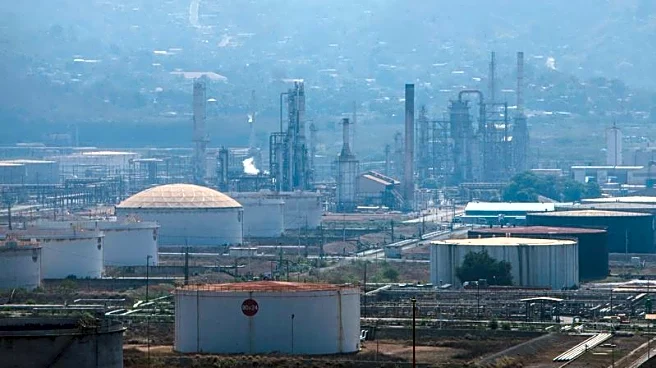
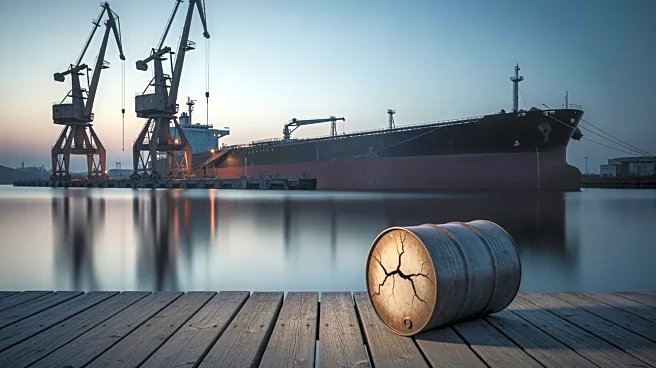
A recent CBS News poll indicates a division among Americans regarding the removal of Venezuelan President Nicolás Maduro from power. This development coincides with the U.S. government's recent seizure of two additional oil tankers as part of its ongoing
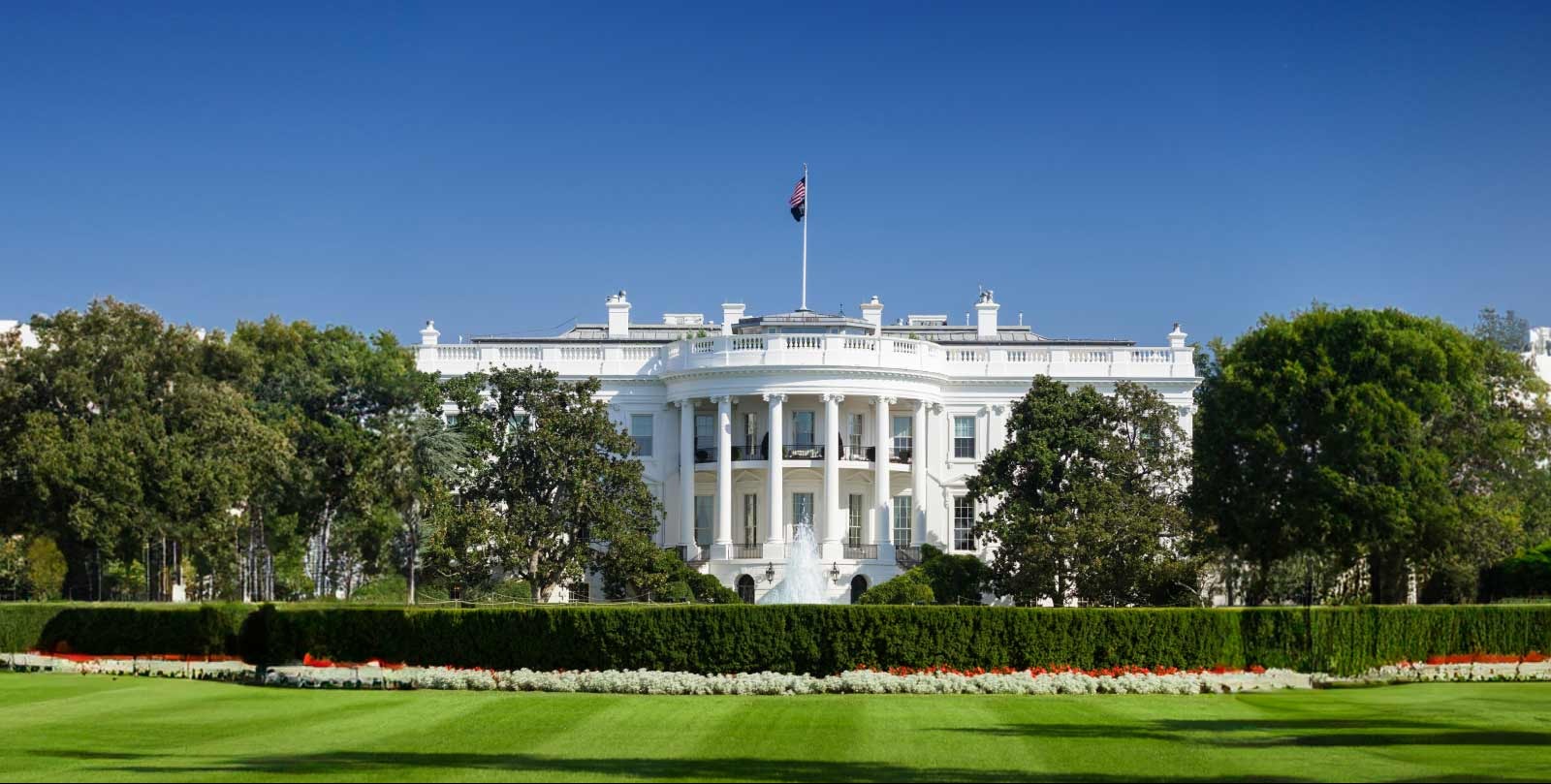
blockade against Venezuela's oil exports. The blockade is a strategic move by the White House aimed at pressuring Maduro's government, which the U.S. has long criticized for its authoritarian practices and economic mismanagement. The poll reflects a split in public opinion, highlighting the complexity of U.S. foreign policy towards Venezuela and the differing views on how best to address the situation.
Why It's Important?
The division in American public opinion on the removal of Nicolás Maduro underscores the challenges faced by U.S. policymakers in crafting a coherent and effective foreign policy towards Venezuela. The blockade and seizure of oil tankers are part of broader sanctions intended to weaken Maduro's regime, but they also risk exacerbating the humanitarian crisis in Venezuela. The split in public opinion may influence future U.S. actions and diplomatic strategies, as policymakers must balance the desire to promote democracy and human rights with the potential for unintended consequences on the Venezuelan population. The outcome of this policy could have significant implications for U.S.-Latin American relations and the global oil market.
What's Next?
As the U.S. continues its blockade and sanctions against Venezuela, the international community will be watching closely to see how these actions impact the Maduro regime and the Venezuelan people. Potential next steps could include increased diplomatic efforts to build a coalition of nations supporting a peaceful transition of power in Venezuela. Additionally, the U.S. may face pressure to provide humanitarian aid to mitigate the impact of its sanctions on ordinary Venezuelans. The ongoing situation will likely remain a point of contention in U.S. domestic politics, influencing future debates on foreign policy and international intervention.