







What's Happening?
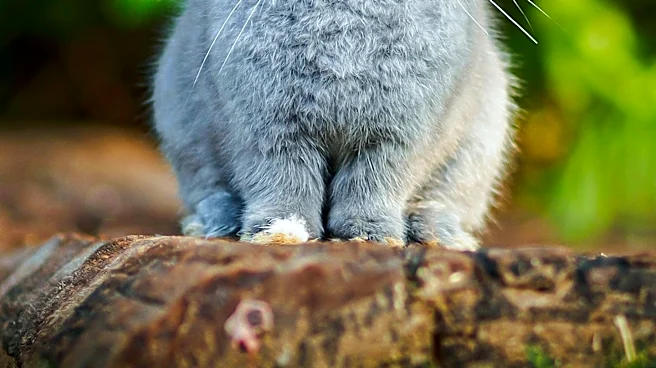
Conservation Northwest, in partnership with the Washington Department of Fish and Wildlife (WDFW), is actively working to restore the critically threatened pygmy rabbit population in Washington State. This collaboration, part of Conservation Northwest's
Sagelands Heritage Program, focuses on restoring shrub-steppe habitat and addressing threats such as invasive species, habitat fragmentation, and loss. The pygmy rabbit population had dwindled to just a few dozen individuals in the early 2000s, but through dedicated conservation efforts, the population has rebounded to over 150 rabbits. These efforts include careful population monitoring, research, conservation breeding, release programs, and long-term stewardship of their ecosystems. A recent highlight involved a 5-year-old girl named Kirby, who raised money for the cause by selling popsicles and was subsequently invited to observe pygmy rabbit biologists in the field near Ephrata, Washington, witnessing health checks and vaccinations of young rabbits.
Why It's Important?
The recovery of the pygmy rabbit population is crucial for maintaining biodiversity and ecological balance within Washington's shrub-steppe ecosystems. As the smallest rabbit species in North America and genetically unique to Washington, its survival is indicative of the health of its habitat. The collaborative efforts between Conservation Northwest and WDFW demonstrate a successful model for wildlife conservation, highlighting the importance of partnerships between non-profit organizations and government agencies. This initiative also underscores the impact of community involvement, as exemplified by Kirby's fundraising efforts, in supporting conservation goals. The rebound of the pygmy rabbit population provides hope for other endangered species and emphasizes the value of sustained conservation strategies in preventing species extinction and preserving natural heritage.
What's Next?
Conservation efforts for Washington's pygmy rabbits are expected to continue, focusing on ongoing population monitoring, habitat restoration, and breeding programs. The Sagelands Heritage Program will likely expand its initiatives to address emerging threats to shrub-steppe habitats, ensuring the long-term viability of the pygmy rabbit population. Future plans may include further community engagement programs to raise awareness and secure additional funding for conservation projects. Researchers will continue to study the genetic health and ecological needs of the rabbits to refine conservation strategies. The success of this program could serve as a blueprint for similar wildlife recovery efforts across the United States, encouraging broader collaboration and public participation in conservation.
Beyond the Headlines
The story of the pygmy rabbit's recovery transcends simple species preservation; it symbolizes the broader challenge of ecological restoration in the face of human-induced environmental changes. The decline of the pygmy rabbit population was a stark reminder of habitat degradation and the impact of human development. Its rebound, however, illustrates the power of concerted conservation efforts and the potential for ecological resilience when targeted interventions are applied. This initiative also highlights the ethical responsibility to protect endangered species and the intrinsic value of biodiversity. Furthermore, the involvement of a young child like Kirby underscores the intergenerational aspect of conservation, demonstrating how early exposure to environmental issues can foster a lifelong commitment to stewardship and inspire collective action for a sustainable future.