

What's Happening?
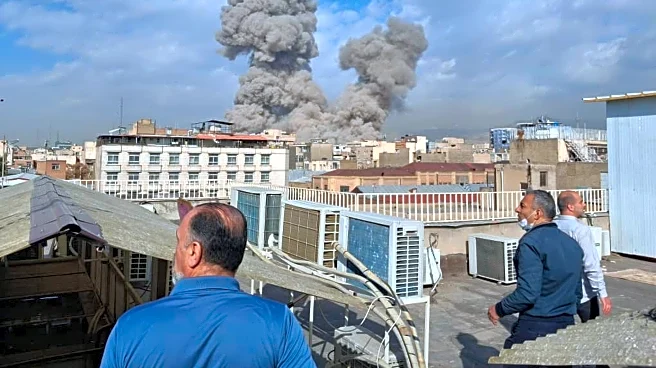
Following military strikes by the United States and Israel on Iran, airspace over several Middle Eastern countries, including Iran, Iraq, Kuwait, the United Arab Emirates, Lebanon, Bahrain, and Jordan, was reported empty. This development, observed through
flight-tracking service Flightradar24, led to many global airlines canceling or rerouting their flights. The strikes have caused significant disruptions in air travel, affecting both regional and international flights. The airspace closures are a direct response to the heightened military tensions in the region.
Why It's Important?
The closure of airspace in response to military actions underscores the immediate impact of geopolitical conflicts on global air travel and commerce. Airlines and passengers face disruptions, leading to potential economic losses for the aviation industry. The situation highlights the vulnerability of international travel to geopolitical tensions, which can lead to increased operational costs and logistical challenges for airlines. Additionally, the strikes and subsequent airspace closures may escalate tensions in the region, affecting diplomatic relations and regional stability.
What's Next?
Airlines and governments will likely continue to monitor the situation closely, adjusting flight paths and schedules as necessary to ensure passenger safety. Diplomatic efforts may be initiated to de-escalate tensions and restore normalcy in air travel. The international community may also engage in discussions to address the underlying causes of the conflict and prevent further disruptions.