




What's Happening?
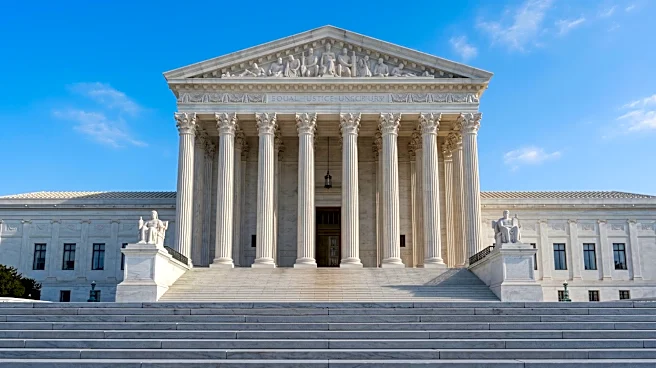
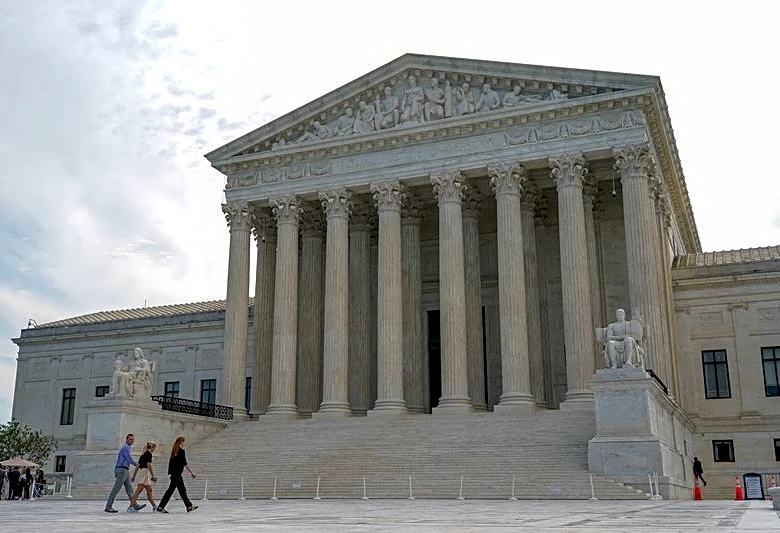
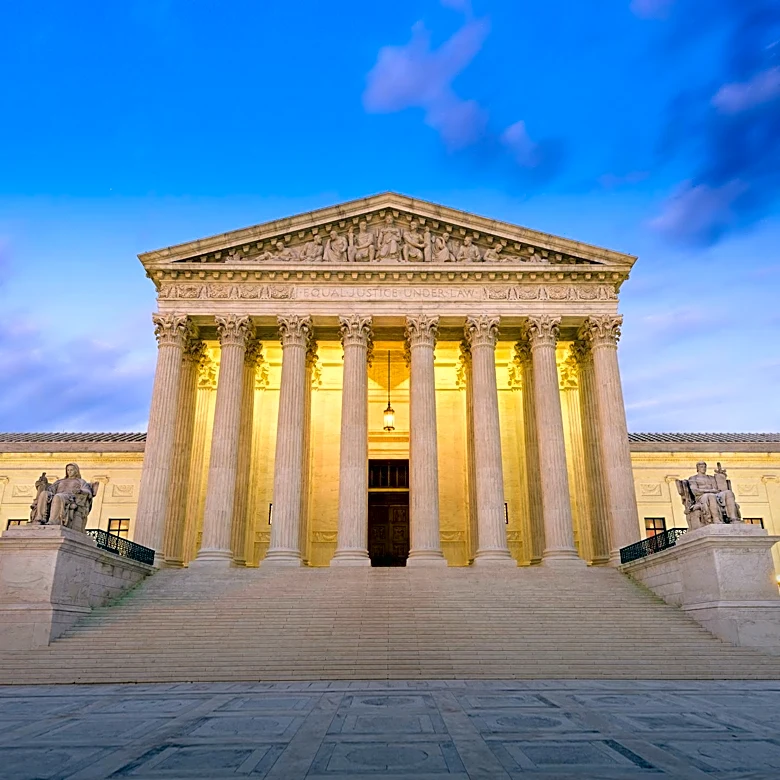
The U.S. Supreme Court has ruled for the third time that Missouri must use its 2022 congressional map for the upcoming November general election. This decision blocks the implementation of a newer 2025 map, which had been used in the August primary. The ruling
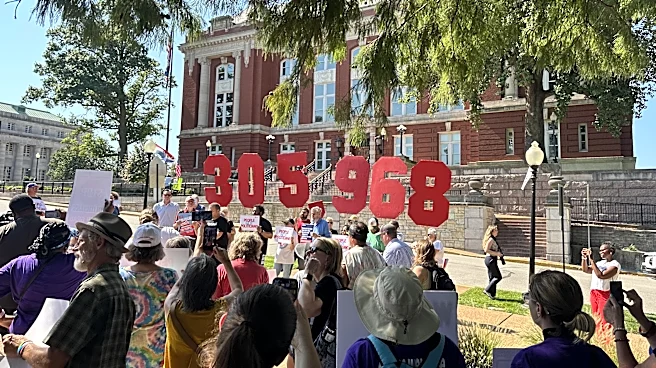
came after an emergency request from 'People Not Politicians,' arguing that changing maps at this late stage would cause 'electoral chaos.' The Supreme Court emphasized that using different congressional district maps for the primary and general elections, which are part of the same process, is unconstitutional. Ballots for the November election, including military and overseas ballots, have already been printed and distributed based on the 2022 map, making a switch problematic for election officials and potentially disenfranchising voters who have already cast absentee ballots. The court's opinion cited its two prior orders in this litigation and the principle that federal courts should not impose changes close to an election.
Why It's Important?
This Supreme Court decision is crucial for maintaining electoral stability and voter confidence in Missouri. By preventing a last-minute change in congressional maps, the Court avoids potential confusion and logistical challenges for election officials, who have already prepared and distributed ballots based on the 2022 map. A switch would have necessitated reprinting and redistributing ballots, potentially leading to delays, increased costs, and voter disenfranchisement, especially for those who had already voted absentee. The ruling reinforces the principle that primary and general elections are part of a continuous process, requiring consistent district boundaries. This consistency is vital for ensuring fair representation and preventing disruptions that could undermine the integrity of the electoral system. The decision also highlights the judiciary's role in safeguarding electoral processes against late-stage alterations that could create undue burdens on voters and election administration.
What's Next?
Following the Supreme Court's ruling, Missouri will proceed with the November general election using the 2022 congressional map. This decision provides clarity for election officials, voters, and candidates, allowing them to finalize preparations without further uncertainty regarding district boundaries. 'People Not Politicians' has indicated their intention to vote 'NO' on Proposition A, suggesting that the debate over congressional maps and electoral processes in Missouri may continue beyond this election cycle. The Supreme Court's repeated intervention underscores the contentious nature of redistricting in the state and the ongoing legal challenges surrounding it. Future legislative efforts or ballot initiatives related to congressional maps could emerge, potentially leading to new legal battles. However, for the immediate future, the 2022 map is definitively in place for the upcoming general election.
Beyond the Headlines
The repeated legal battles over Missouri's congressional map, culminating in three Supreme Court interventions, reveal deeper tensions surrounding partisan redistricting and its impact on democratic representation. The 2025 map, which the Supreme Court blocked, was designed to create seven Republican-leaning seats out of Missouri's eight congressional districts, highlighting the strategic efforts by political parties to maximize their electoral advantage through gerrymandering. The Court's emphasis on electoral stability and the continuity of the election process, particularly in the face of late-stage changes, reflects a broader concern about the potential for political maneuvering to disrupt fundamental democratic functions. This case also brings to light the significant role of advocacy groups like 'People Not Politicians' in challenging perceived partisan overreach and advocating for what they consider fair electoral processes. The ongoing struggle over district maps in Missouri is indicative of a nationwide trend where redistricting remains a highly contested and legally complex issue, often requiring judicial intervention to ensure fairness and adherence to constitutional principles.