


What's Happening?
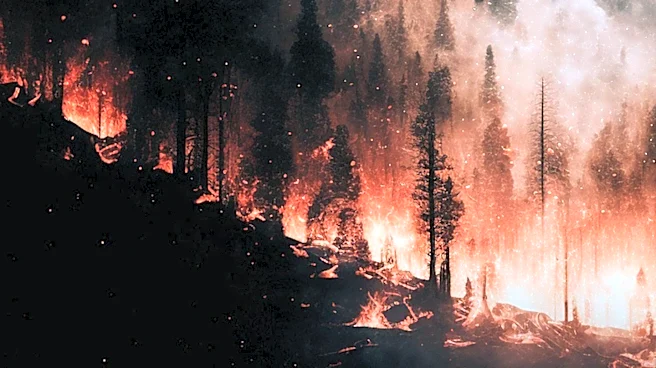
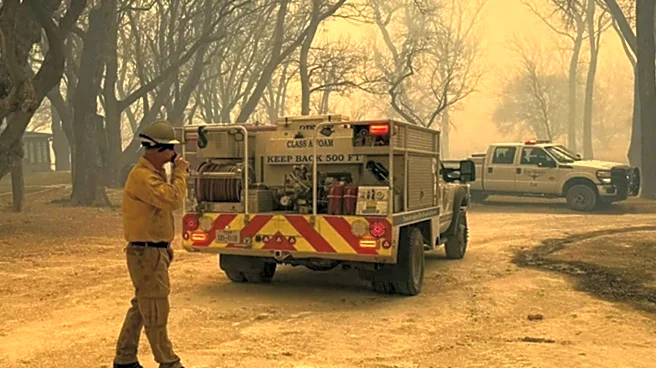
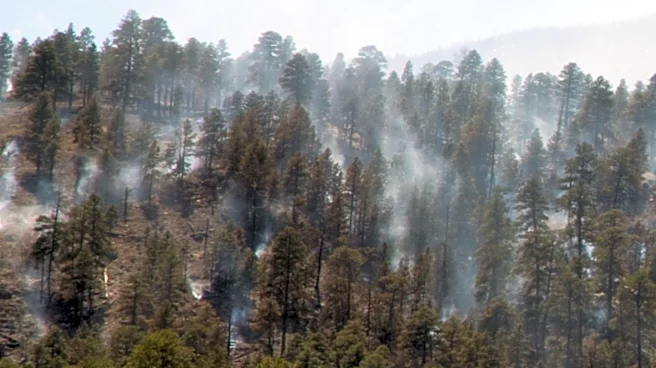
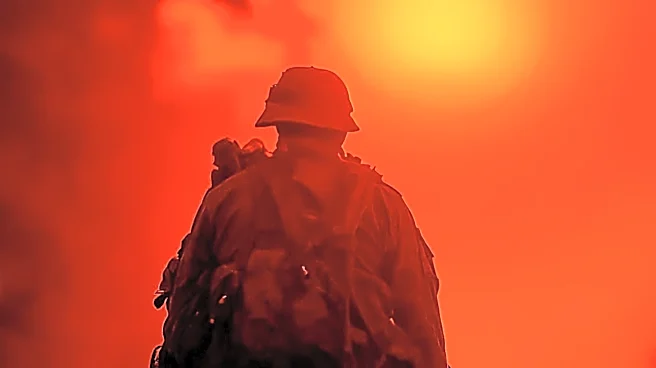
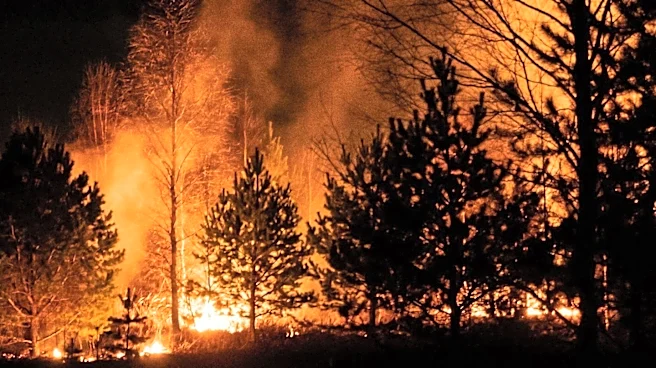
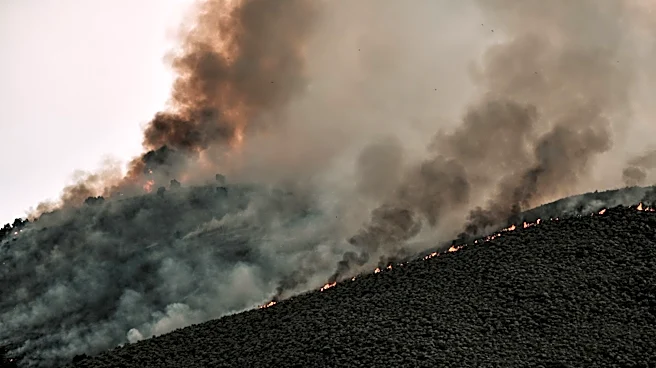
The Spokane Complex Fire in Washington has become a significant challenge for over 2,000 firefighters working tirelessly to contain the blaze. The fire, which spans approximately 10,000 acres, has led to the evacuation of more than 65,000 residents. Despite
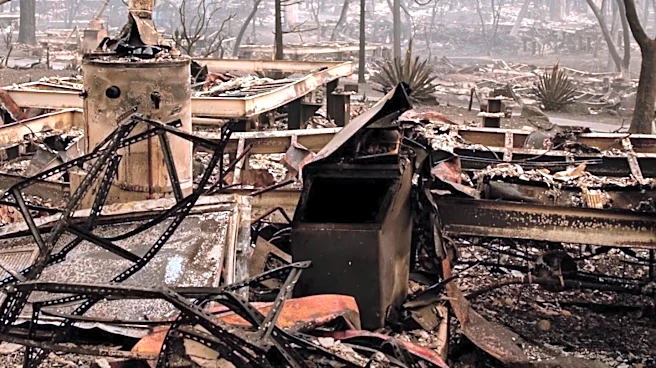
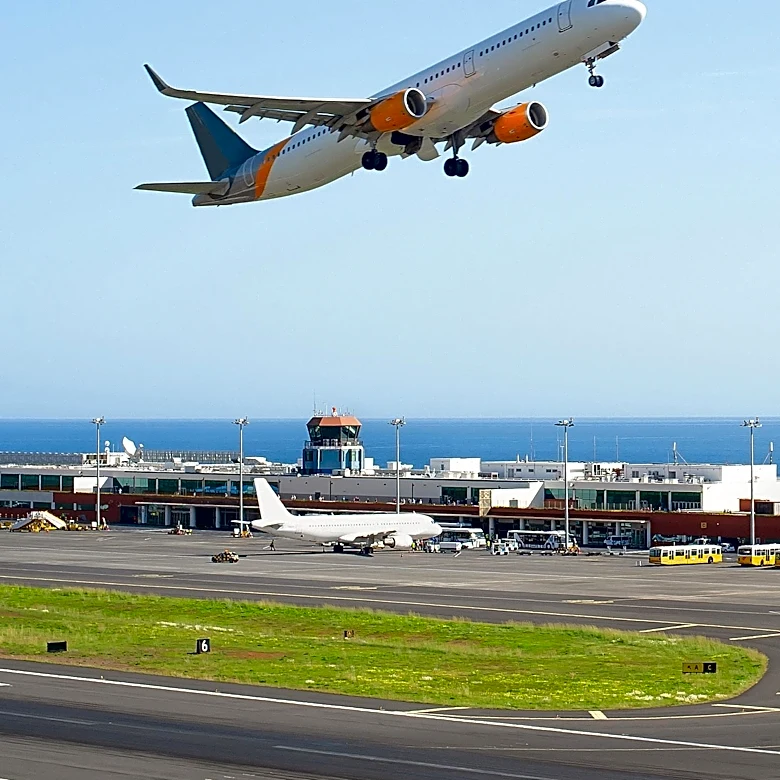
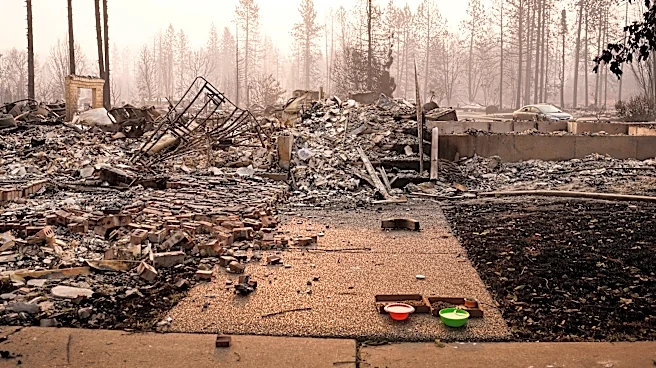
the extensive damage, with over 900 structures destroyed or damaged, there have been no reported fatalities or injuries, thanks to the swift actions of local firefighting teams. The fire's rapid spread has been exacerbated by strong winds, complicating containment efforts. Firefighters are employing various strategies, including airdrops and ground operations, to manage the fire, particularly in areas like the Old Trails Fire near Spokane International Airport. The operation is further challenged by the remote location, requiring water to be transported over long distances.
Why It's Important?
The Spokane Complex Fire highlights the increasing frequency and intensity of wildfires in the U.S., raising concerns about climate resilience and emergency preparedness. The evacuation of tens of thousands of residents underscores the fire's impact on local communities, disrupting lives and causing significant property loss. The fire also places a substantial strain on firefighting resources, with potential implications for future fire management strategies. The situation serves as a critical reminder of the need for robust infrastructure and resource allocation to effectively combat such natural disasters. The economic impact is also significant, with potential long-term effects on local economies and insurance industries.
What's Next?
Firefighting efforts are expected to continue for at least two more weeks, with officials warning of potential flare-ups due to unpredictable weather conditions. The recovery process for the affected areas is anticipated to be lengthy, possibly taking years to restore the community to its pre-fire state. Authorities are likely to review and possibly revise fire management and evacuation protocols to better prepare for future incidents. Community support and rebuilding efforts will be crucial in the coming months, as residents begin to return and rebuild their lives.