




What's Happening?
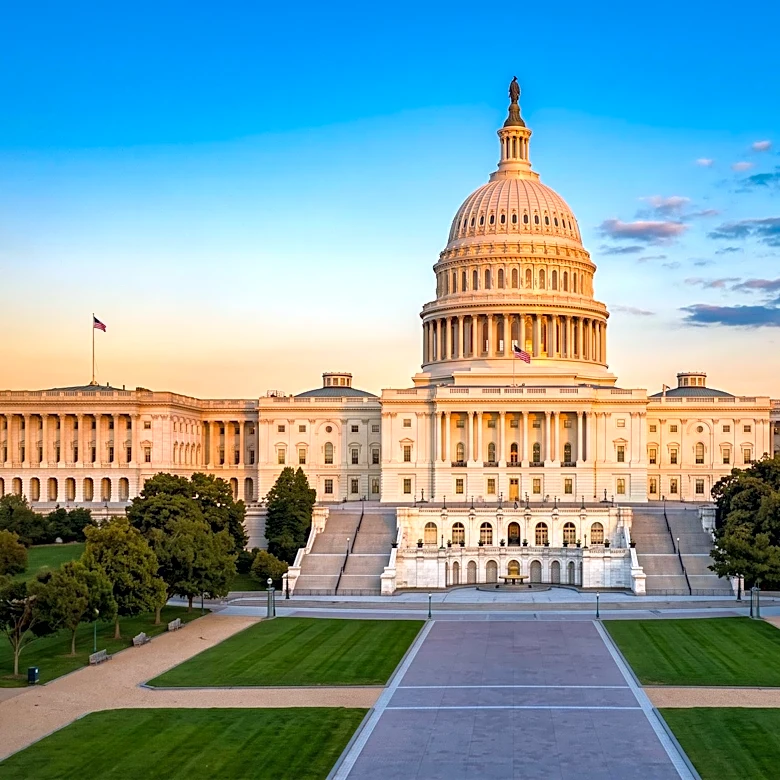
During a recent hearing by the House Transportation and Infrastructure Committee’s subcommittee on Coast Guard and maritime transportation, lawmakers highlighted significant housing and quality-of-life issues affecting Coast Guard members. Subcommittee
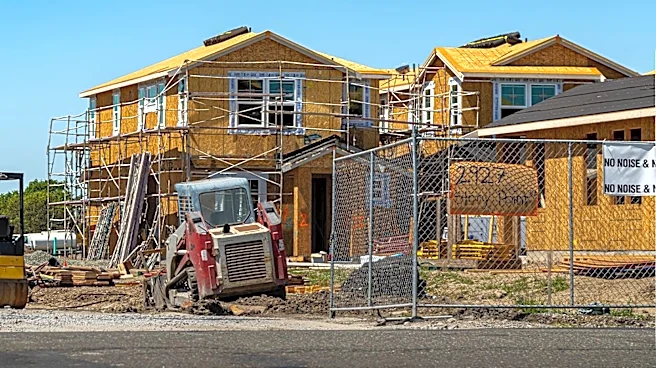
Ranking Member Salud Carbajal (D-Calif.) noted that 41% of Coast Guard units are located in some of the most remote and expensive areas of the United States, making it difficult for service members to find affordable housing. Additionally, Carbajal pointed to problems with Coast Guard-provided housing, citing issues like mold and water damage in Santa Barbara, California. Subcommittee Chairman Mike Ezell (R-Miss.) expressed dismay after visiting Coast Guard stations, stating that service members are often neglected. The challenges extend beyond housing to include access to healthcare and childcare, particularly in remote locations. Master Chief Phillip Waldron acknowledged that the Coast Guard relies heavily on the Basic Allowance for Housing (BAH) and is working with other services and the Military Spouse Commission to address these disparities, especially in high-cost areas where BAH often falls short.
Why It's Important?
These housing and quality-of-life issues directly impact the readiness, morale, and retention capabilities of the U.S. Coast Guard. When service members struggle to find safe and affordable housing, or lack adequate healthcare and childcare, their ability to perform their duties effectively is compromised. This situation could undermine the Coast Guard's recent successes in recruiting, which saw them exceed their accession goals for fiscal year 2025 and aim to grow their ranks by 15,000 members. The funding from last year's reconciliation bill, intended for historic investments in ships, aircraft, and shore-based infrastructure, could be jeopardized if the human element—the service members—are not adequately supported. The inability to retain skilled personnel due to poor living conditions and insufficient support services poses a national security risk, as it affects the Coast Guard's capacity to protect U.S. waters and respond to emergencies. Addressing these concerns is crucial for maintaining a strong and effective Coast Guard.
What's Next?
The Coast Guard is actively seeking solutions to these challenges. Master Chief Phillip Waldron indicated that the service is collaborating with other military branches and the Military Spouse Commission to bring these issues to light and develop a comprehensive strategy. A key focus will be on adjusting the Basic Allowance for Housing (BAH) to better reflect the actual costs of living in high-expense areas where Coast Guard personnel are stationed. Waldron has also requested support from the subcommittee to ensure BAH adequately meets the demands of these regions. Furthermore, Vice Adm. Nathan Moore, deputy commandant for operations, emphasized the need for increased investment in maintenance and training starting in 2027 to support new platforms and prevent them from being tied up due to disrepair or lack of spare parts. The Coast Guard's continued focus on retention and family support, including adequate housing, childcare, and healthcare, will be critical in the coming years to sustain its growth and operational capabilities.