






What's Happening?
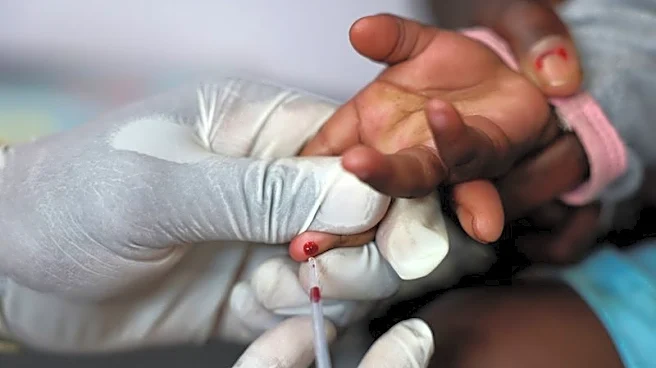
The release of new data on the U.S. President's Emergency Plan for AIDS Relief (PEPFAR) has sparked differing interpretations regarding its effectiveness. PEPFAR, a program initiated by President George W. Bush in 2003, is credited with saving millions
of lives through HIV diagnosis and treatment. The recent data, released after a delay, highlights an increase in the number of pregnant and breastfeeding women starting PrEP, a preventive medication, from 43,000 in late 2024 to 103,000 in late 2025. However, advocacy groups like Health GAP and amfAR have raised concerns about significant disruptions in HIV testing and support services, suggesting a decline in the program's effectiveness. The State Department, however, emphasizes the resilience of U.S. health programs, noting that over 20 million people received HIV treatment in 50 countries by September 2025.
Why It's Important?
The release of PEPFAR data is crucial as it provides insights into the U.S.'s global health strategy and its impact on HIV/AIDS treatment worldwide. The contrasting views on the data highlight a potential gap between government reports and on-the-ground realities, which could affect future funding and policy decisions. The criticism from advocacy groups suggests that the program's reach and effectiveness may be compromised, potentially affecting millions who rely on these services. The data's interpretation could influence U.S. foreign aid policies and the prioritization of health initiatives, impacting global health outcomes and the U.S.'s role in international health leadership.
What's Next?
The ongoing debate over PEPFAR's effectiveness may lead to increased scrutiny and calls for transparency in the program's operations. Stakeholders, including policymakers and health organizations, may push for a reassessment of funding allocations and strategies to address the identified service disruptions. The U.S. government may need to engage with international partners and advocacy groups to ensure the program's objectives align with global health needs. Future data releases will be closely monitored to assess the program's progress and inform potential adjustments in strategy.