




What's Happening?
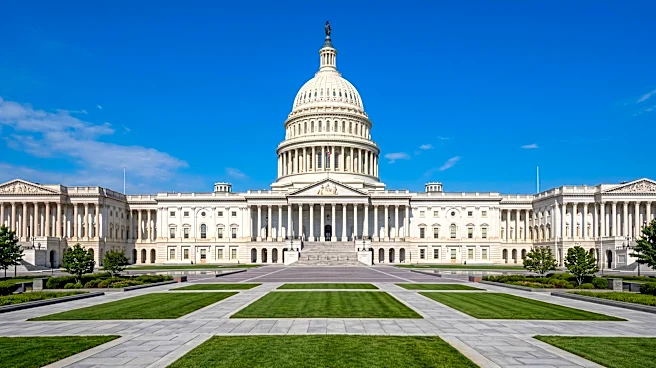
Prevent Blindness, a leading eye health and safety organization, is urging the U.S. Congress to prioritize vision and eye health initiatives before the end of the year. The organization specifically calls for continued bipartisan support for key legislation,
including the Early Detection, Diagnosis, and Treatment of Vision in Infants and Young Children Act (EDVI Act). This act aims to improve children's vision and eye health. Additionally, Prevent Blindness is advocating for Congress to permanently block proposed changes by the Office of Management and Budget (OMB) to federal grantmaking. These proposed changes could create instability for non-profit organizations and jeopardize essential programs focused on preventing vision loss, expanding access to eye care, and advancing research into blinding eye diseases. Jeff Todd, President and CEO of Prevent Blindness, emphasized the importance of completing legislative work that has already garnered broad stakeholder support, especially with a new Congress approaching. The organization highlights several key bills that would enhance access to sight-saving care and secure critical investments in vision health research and surveillance.
Why It's Important?
The push by Prevent Blindness is significant because it addresses critical public health issues related to vision and eye health across the United States. Prioritizing the EDVI Act would ensure that young children receive early detection and treatment for vision impairments, which can have long-term developmental impacts. Furthermore, blocking the OMB's proposed changes to federal grantmaking is crucial for the stability and effectiveness of numerous non-profit organizations that provide vital services in eye care, research, and prevention. If these changes are implemented, they could disrupt funding streams, leading to reduced services and a potential increase in preventable vision loss. The bipartisan support sought by Prevent Blindness underscores the broad recognition of these issues' importance, affecting millions of Americans from various demographics. Investments in vision health research and surveillance are also vital for developing new treatments and understanding the prevalence of eye diseases, ultimately improving the quality of life for many citizens.
What's Next?
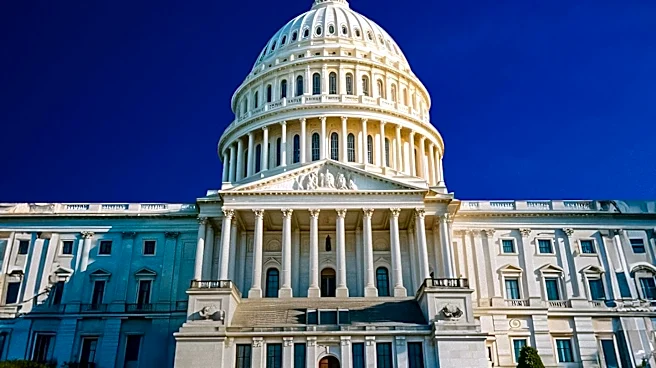
As the current congressional session draws to a close, the immediate next step involves legislative action on the part of Congress. Prevent Blindness will continue its advocacy efforts, urging lawmakers to pass the EDVI Act and other vision-related bills. The organization will also press for a permanent block on the OMB's proposed grantmaking changes. The outcome of these efforts will depend on congressional priorities and the ability of bipartisan groups to coalesce around these health initiatives. With a new Congress on the horizon, any unfinished business may need to be reintroduced or re-prioritized in the next legislative session. Stakeholders, including other public health organizations and patient advocacy groups, are likely to continue supporting Prevent Blindness's agenda, aiming to secure legislative victories that safeguard and advance eye health across the nation.
Beyond the Headlines
Beyond the immediate legislative push, this advocacy highlights the broader challenges faced by non-profit organizations in maintaining stable funding for essential public health services. The potential instability from OMB's proposed grantmaking changes points to a larger debate about federal oversight and its impact on the operational capacity of organizations critical to public welfare. Ethically, ensuring access to vision care, especially for children, is a matter of equity and long-term societal well-being, as untreated vision problems can hinder education and economic opportunities. The emphasis on bipartisan support also reflects a recognition that public health issues often transcend political divides, requiring collaborative efforts. Long-term, successful legislative action could lead to a more robust national framework for eye health, potentially reducing healthcare costs associated with preventable vision loss and improving overall public health outcomes.