






What's Happening?
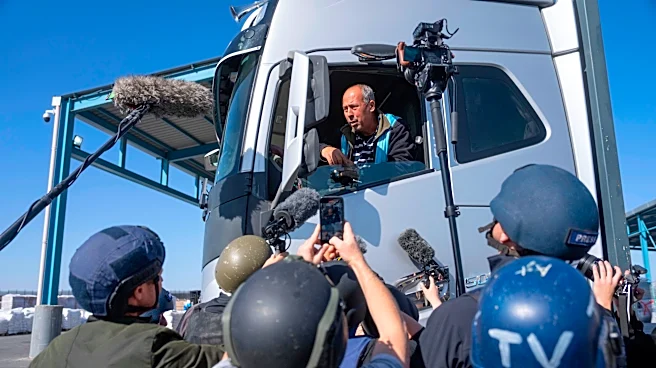
Major media organizations, including The Associated Press and The New York Times, are urging the Israeli government to lift restrictions preventing foreign journalists from independently entering Gaza. These restrictions have been in place since the onset
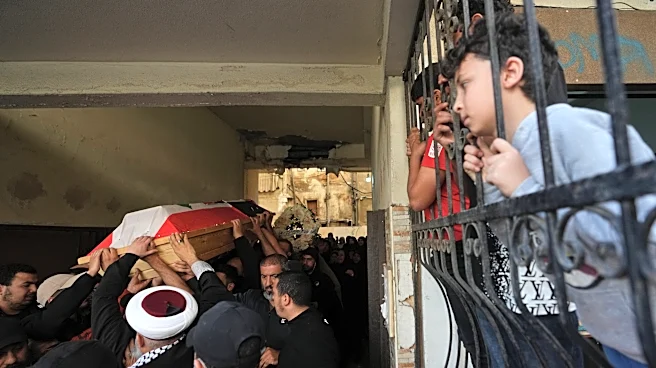
of the conflict in 2023, despite a ceasefire being in effect for over six months. The media groups argue that on-the-ground reporting is crucial for accurate coverage and accountability. They have criticized Israel's rationale for the ban, which includes security concerns and the danger posed by the active battle zone. The Foreign Press Association has filed a petition with the Israeli Supreme Court for access, but a decision has been delayed.
Why It's Important?
The call for independent media access to Gaza highlights the ongoing challenges in reporting from conflict zones. Accurate and independent journalism is essential for transparency and accountability, especially in areas affected by conflict. The restrictions have placed a significant burden on local Palestinian journalists, who face personal risks and hardships. The lack of independent reporting can lead to misinformation and hinder international understanding of the situation. The media organizations' push for access underscores the importance of press freedom and the role of journalism in conflict resolution and humanitarian efforts.
What's Next?
The Israeli government's response to the media organizations' demands will be closely watched. If access is granted, it could lead to more comprehensive and balanced reporting from Gaza. However, if restrictions remain, media organizations may continue to seek legal avenues to challenge the ban. The situation also raises broader questions about press freedom and the rights of journalists in conflict zones. The international community may increase pressure on Israel to allow independent media access, emphasizing the importance of transparency and accountability in conflict reporting.