




What's Happening?
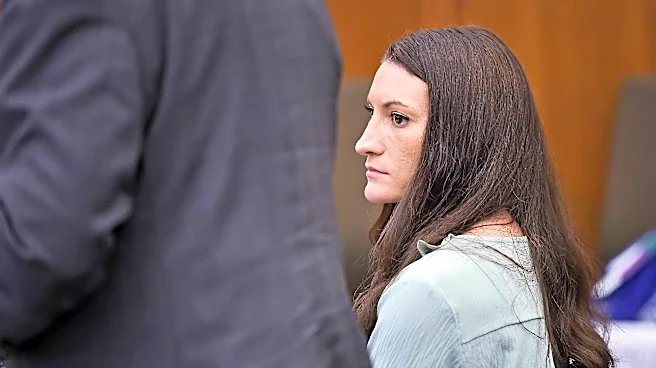
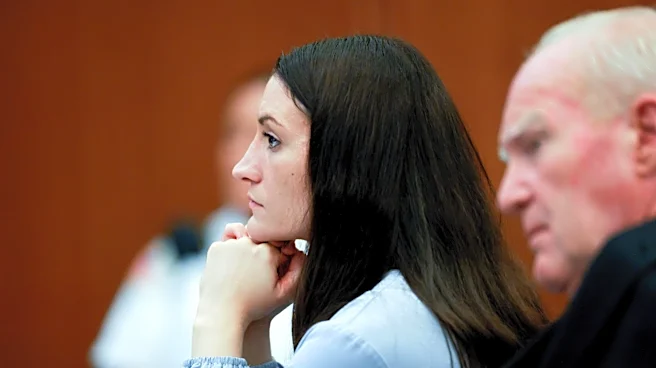
During court proceedings, digital forensics expert Ian Whiffin testified regarding data extracted from Lindsay Clancy's iPhone, focusing on health data, web usage, messages, and call logs. Whiffin, a customer engagement manager at Cellebrite, detailed
how Apple Health data, including heart rate and 'flight climb' information, is recorded and stored. He explained that heart rate data from an Apple Watch is synced to the iPhone, and 'flight climb' data is recorded by both the phone and watch based on changes in altitude and steps. The last recorded heart rate from Clancy's watch was at 5:23 PM, and the last 'flight climb' data from her phone was at 5:38 PM on January 24, 2023. Whiffin also presented web searches from Clancy's phone between January 10 and January 24, 2023, which included queries about antidepressants like Wellbutrin, Lamictal, and Elavil, as well as searches for 'ketamine for suicidal ideation' and 'symptoms of postpartum psychosis.' Messages between Clancy and her mother and husband, including photos and discussions about daily activities, were also presented. Defense counsel questioned the accuracy of Apple Health data and the absence of data after 5:38 PM, suggesting the phone or watch might have been put down or turned off. A labor and delivery nurse, Margaret Hamp, testified about Clancy's character as a compassionate nurse and her dedication as a mother, recalling an incident where Clancy called the police for a wellness check on her child. Clancy's sister, Allison Ozga, also testified, noting a significant decline in Clancy's mental health around Thanksgiving and December 2022, including increased depression and suicidal thoughts.
Why It's Important?
This testimony is crucial in the ongoing legal proceedings against Lindsay Clancy, as it provides a detailed digital footprint of her activities and mental state leading up to the incident. The digital evidence, particularly the web searches related to mental health conditions and medications, could be central to the defense's argument regarding Clancy's mental state and criminal responsibility. The expert testimony on Apple Health data highlights the increasing role of personal electronic devices in legal investigations, demonstrating how data from smartwatches and smartphones can be used to reconstruct timelines and infer user activity. The defense's challenge to the completeness and interpretation of this data underscores the complexities and potential limitations of digital forensics in court. The emotional testimony from Clancy's former colleague and sister aims to humanize her and provide context for her mental health struggles, potentially influencing the jury's perception of her state of mind. The discussion of postpartum psychosis and suicidal ideation directly addresses the potential underlying factors in the case, which could be critical in determining the degree of culpability or the applicability of mental health defenses.
What's Next?
The court will continue to hear testimony, likely including further cross-examination of witnesses and potentially expert testimony from the defense regarding Lindsay Clancy's mental health. The defense has indicated plans to present experts who will testify that Clancy was not criminally responsible, which the Commonwealth intends to rebut with their own experts. The judge denied a motion for a required finding of not guilty by reason of lack of criminal responsibility, stating that such a motion is typically made at the close of all evidence. The court is also awaiting the arrival of medical records from McLean's, which are crucial for the voir dire of a potential witness, Emily Thorndike. The outcome of these testimonies and the introduction of additional evidence will shape the remainder of the trial, particularly concerning the legal arguments surrounding criminal responsibility and mental illness. The jury will ultimately need to weigh the digital evidence against the personal accounts and expert opinions to reach a verdict.
Beyond the Headlines
The case raises profound questions about the intersection of mental health, technology, and the justice system. The detailed examination of personal digital data, such as web searches and health metrics, highlights the pervasive nature of digital surveillance and its implications for privacy and legal defense. The defense's focus on postpartum psychosis and the testimony regarding Clancy's mental decline bring to light the critical need for greater awareness and support for maternal mental health. The legal system's approach to cases involving severe mental illness, particularly in the context of infanticide, often sparks public debate about culpability, treatment, and prevention. This trial could set precedents or influence public discourse on how mental health conditions, especially those exacerbated by postpartum challenges, are understood and addressed within the legal framework. The case also underscores the ethical considerations for expert witnesses in digital forensics, as they interpret complex data that can have significant consequences for defendants.