






What's Happening?
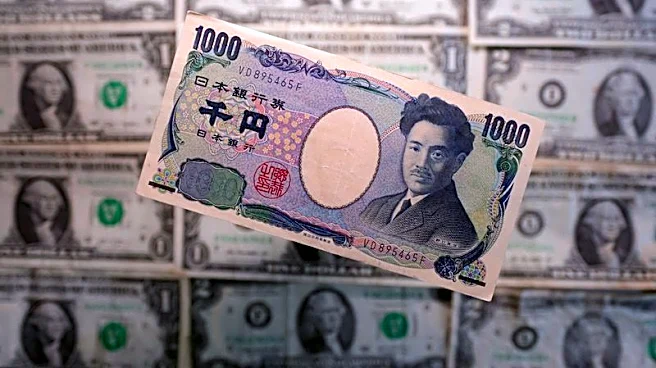
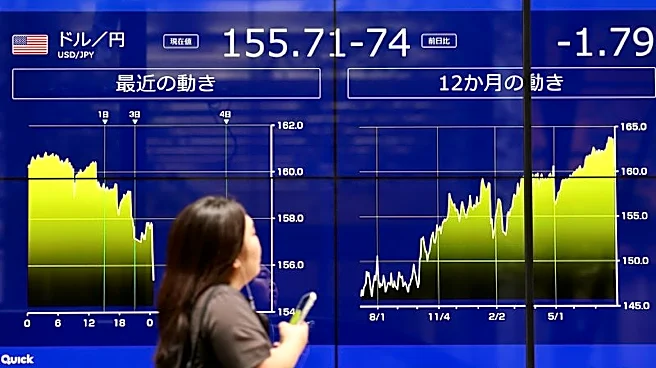
The U.S. dollar has weakened against the Japanese yen following a joint intervention by the United States and Japan to stabilize the yen. This intervention, the first in 15 years, was confirmed by both countries and involved coordinated efforts to purchase
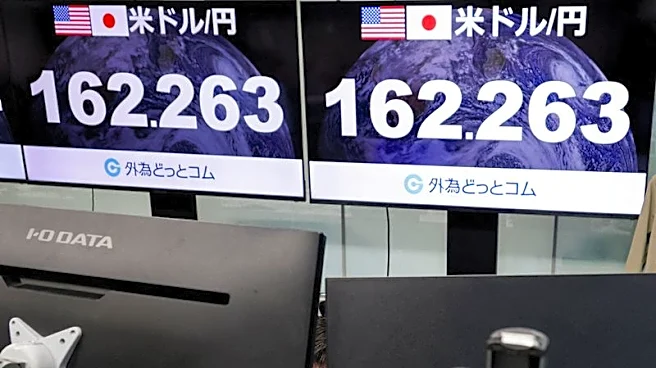
yen and counteract its decline to 40-year lows. The yen's prolonged weakness has been a source of economic concern for Japan, as it increases import costs and inflation. The intervention aims to stabilize the currency and address these economic challenges.
Why It's Important?
The intervention is significant as it addresses the economic impact of the yen's depreciation, which has been affecting Japan's economy by raising import prices and inflation. The collaboration between Japan and the U.S. highlights the importance of international cooperation in managing currency volatility and its potential global repercussions. The intervention also underscores the strategic alliance between the two countries in addressing economic challenges and maintaining financial stability.
What's Next?
Further interventions may be considered if the yen continues to experience volatility. The Bank of Japan's monetary policy will be closely watched, with potential interest rate hikes being a key focus. The U.S. Treasury has indicated its willingness to participate in future interventions, suggesting ongoing collaboration between the two countries. Market participants will be alert to any further actions and statements from both governments, as well as the impact on global financial markets.