


What's Happening?
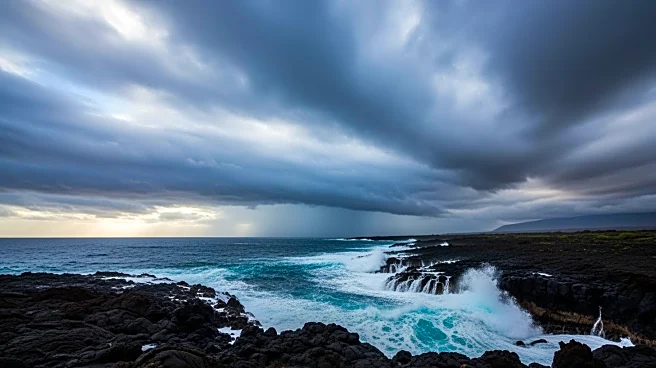
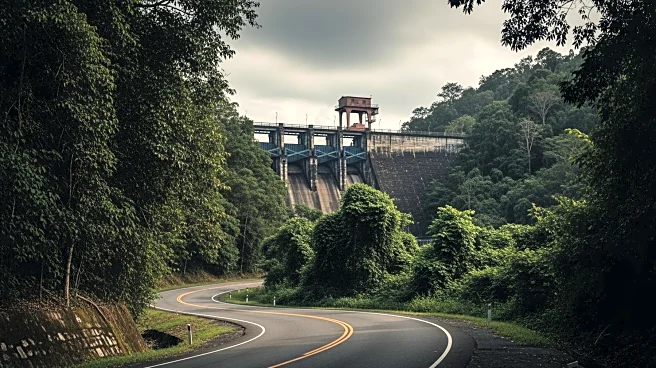
In Hawaii, severe weather conditions have led to the issuance of evacuation orders for thousands of residents in towns north of Honolulu. The orders were prompted by the potential failure of the 120-year-old Wahiawa Dam, which is currently experiencing
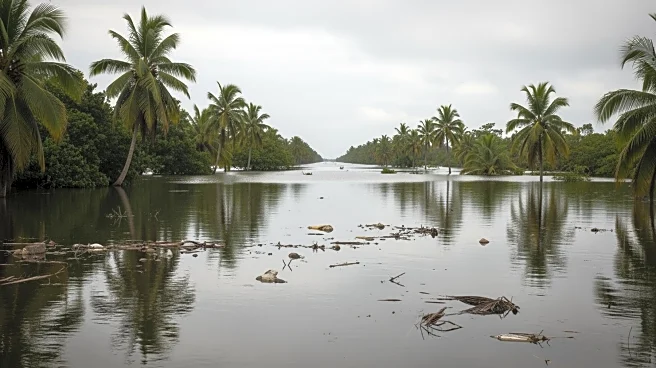
water overflow due to heavy rains. The National Weather Service has issued a flash flood warning for northern Oahu, with reports of life-threatening flooding in areas such as Haleiwa and Waialua. The Hawaii National Guard has been activated to assist with the emergency response. The situation is reminiscent of a 2006 incident where a dam collapse on Kauai resulted in seven fatalities. The aging infrastructure of Hawaii's dams, many of which were originally constructed for sugar cane irrigation, is a significant concern during such severe weather events.
Why It's Important?
The potential failure of the Wahiawa Dam underscores the vulnerabilities in Hawaii's aging infrastructure, particularly its dams, which were primarily built for agricultural purposes. The situation highlights the urgent need for infrastructure upgrades to prevent future disasters. The evacuation affects over 4,000 residents, disrupting lives and posing significant safety risks. The incident also draws attention to the broader implications of climate change, as increased frequency and intensity of storms could exacerbate the risks associated with outdated infrastructure. The response by state and local authorities, including the activation of the National Guard, reflects the seriousness of the threat and the need for coordinated emergency management efforts.
What's Next?
As the situation develops, authorities will continue to monitor the dam's condition and the weather patterns affecting the region. The immediate focus is on ensuring the safety of residents and minimizing damage. Long-term, this event may prompt a reevaluation of Hawaii's infrastructure policies, potentially leading to increased investment in dam maintenance and upgrades. The state may also consider implementing more robust emergency preparedness plans to better handle similar situations in the future. Stakeholders, including government officials and civil engineers, will likely engage in discussions about improving infrastructure resilience in the face of climate change.