





What's Happening?
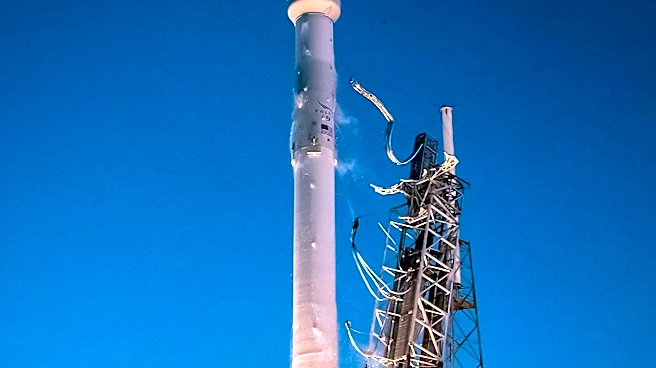
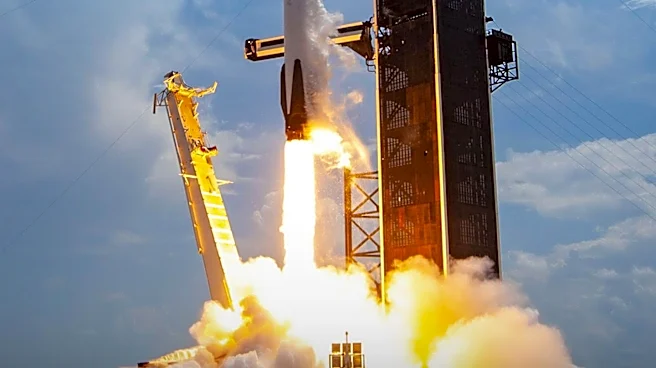
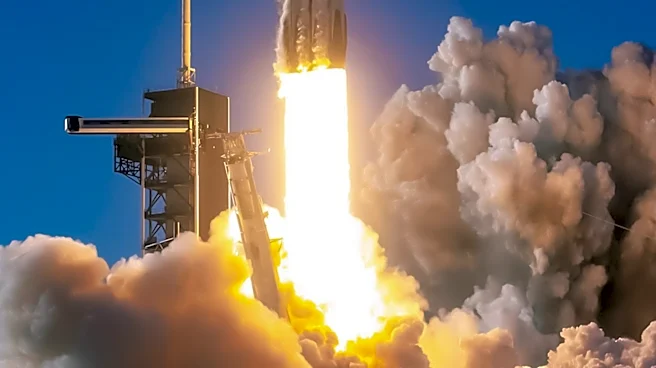
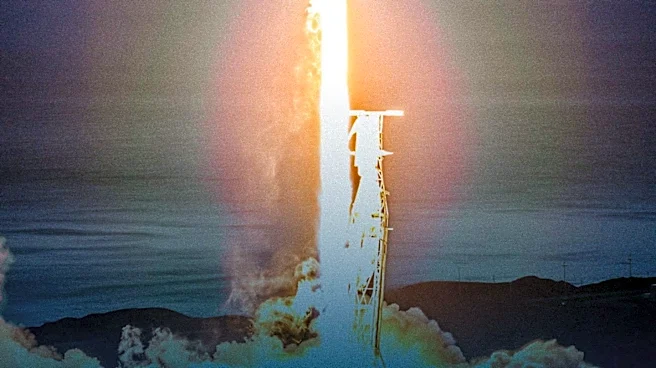
Drones are becoming a significant threat to U.S. rocket launch sites, with the potential to disrupt launches and cause millions of dollars in delays. The increasing sophistication of drone technology, including greater autonomy and longer ranges, poses
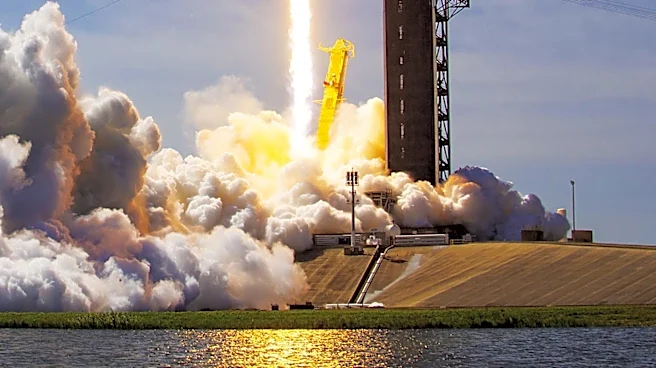
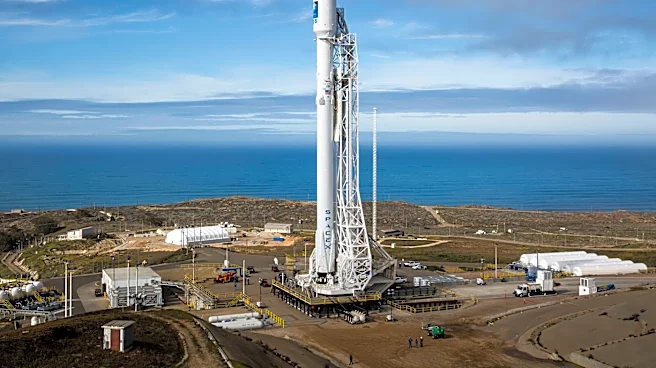
challenges for detection and response systems. Recent incidents at Vandenberg Space Force Base and Cape Canaveral highlight the vulnerability of critical infrastructure to drone incursions. The U.S. launch enterprise is urged to improve situational awareness, develop response plans, and update legal frameworks to address drone interference effectively.
Why It's Important?
The threat of drones to rocket launch sites has broad implications for national security and the commercial space industry. Disruptions to launch schedules can delay the deployment of satellites and other critical payloads, impacting intelligence, communications, and defense capabilities. The economic impact is also significant, with launch delays costing millions in labor and scheduling adjustments. As the number of launches increases, the risk of drone interference grows, necessitating robust countermeasures to protect U.S. space infrastructure.
What's Next?
The U.S. launch enterprise needs to implement a multi-layered defense strategy, including shared situational awareness and vulnerability assessments. Legal authorities for counter-drone actions must be expanded to allow timely responses to threats. Coordination between federal agencies, law enforcement, and commercial operators is essential to ensure the security of launch sites. As drone technology continues to evolve, ongoing assessments and updates to defense strategies will be necessary to mitigate risks effectively.