






What's Happening?
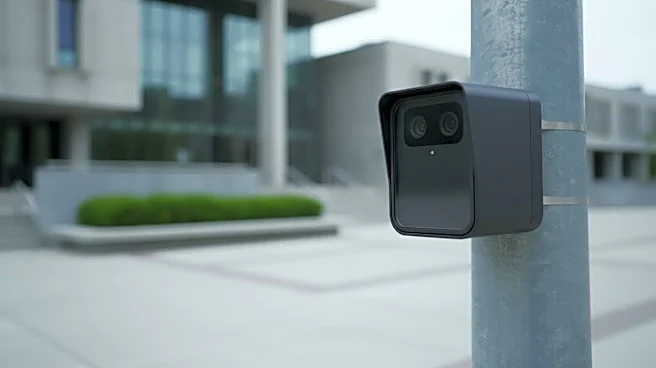
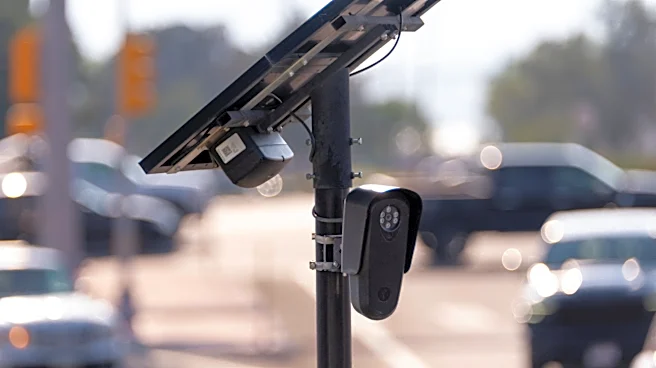
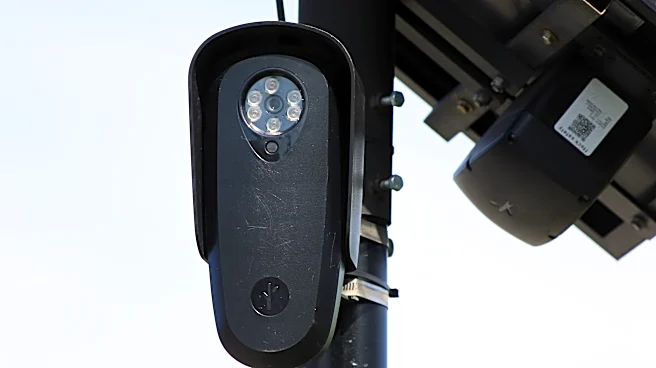
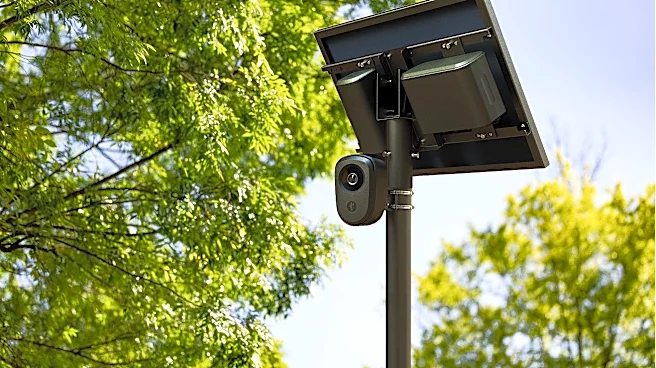
The use of artificial intelligence-equipped automated license plate reading (ALPR) cameras by Montreal police has brought renewed attention to privacy concerns, particularly in comparison to their deployment in the United States. While Montreal police are
leasing Genetec Cloudrunner cameras, which do not aggregate data in a shared central database, similar Flock Safety cameras widely used in the U.S. do link license plate information to individuals' identities in a centralized, searchable database. This distinction is crucial, as the shared database model in the U.S. has generated significant public resistance and privacy concerns. Experts in AI ethics, such as Renee Sieber, a McGill University professor, highlight that the controversy stems not just from surveillance but from the ability to tie location data and patterns of life to an individual's name and residence through these shared databases. This capability raises fears about the potential for misuse, including stalking, as reportedly seen with some Customs and Border Protection workers in the U.S.
Why It's Important?
The differing approaches to ALPR technology between Montreal and the U.S. underscore a critical debate regarding privacy, surveillance, and data aggregation in American society. The U.S. model, where Flock cameras can connect license plate data to personal identities in a shared database, creates a comprehensive surveillance network that can track individuals' movements and patterns of life. This has profound implications for civil liberties, as it allows for the creation of detailed profiles of citizens without their explicit consent or knowledge. The potential for misuse, such as unauthorized access or the weaponization of data for personal reasons, poses a significant threat to individual privacy and security. The lack of robust regulatory frameworks to keep pace with the rapid adoption of these advanced surveillance tools further exacerbates these concerns, leaving individuals vulnerable to potential abuses of power and data breaches. The controversy highlights the urgent need for clear guidelines and oversight regarding the collection, storage, and use of biometric and location data by law enforcement agencies in the U.S.
What's Next?
The ongoing debate surrounding ALPR cameras in the U.S. is likely to intensify, prompting calls for stricter regulations and greater transparency from law enforcement agencies. Civil liberties organizations and privacy advocates will continue to push for legislative action to limit the scope of data collection and prevent the creation of centralized, searchable databases that link license plate information to personal identities. There may be increased scrutiny of companies like Flock Safety and their data-sharing practices, potentially leading to legal challenges or public pressure campaigns. Furthermore, the reported instances of misuse by government employees, such as Customs and Border Protection workers, could trigger internal investigations and calls for enhanced accountability measures. The discussion will likely extend to how existing privacy laws, which have not kept pace with technological advancements, can be updated or reinterpreted to address the challenges posed by AI-powered surveillance tools. This could lead to new policy proposals at both state and federal levels aimed at balancing public safety with individual privacy rights.
Beyond the Headlines
The controversy surrounding ALPR cameras in the U.S. delves into deeper societal implications concerning the erosion of privacy in the digital age and the expanding reach of government surveillance. The ability to passively collect and aggregate vast amounts of location data on citizens fundamentally alters the relationship between the individual and the state, shifting towards a model of pervasive monitoring. This raises ethical questions about the right to anonymity in public spaces and the potential for such data to be used for purposes beyond initial law enforcement objectives, including predictive policing or social scoring. The ease with which this technology can be deployed and the difficulty in proving its misuse in court, as highlighted by experts, suggest a systemic challenge to upholding constitutional rights in an era of advanced AI. The long-term shift could be towards a society where every movement is recorded and analyzed, potentially chilling free expression and assembly, and fostering a climate of constant observation. This necessitates a broader public discourse on the acceptable limits of technology in maintaining security versus safeguarding fundamental freedoms.