


What's Happening?
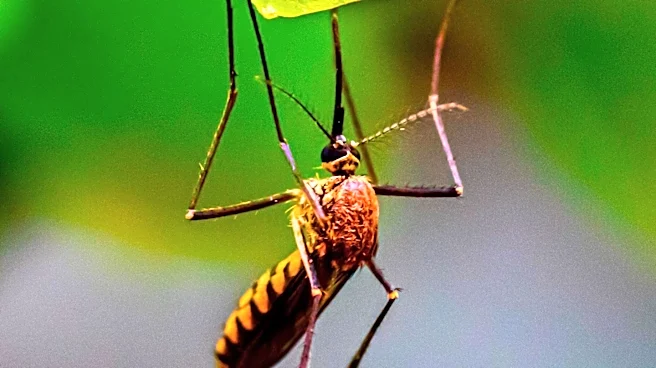
Los Angeles County is currently facing its highest number of West Nile virus cases in over a decade, with 100 reported cases and five deaths so far this year. This surge is attributed to unprecedented humidity levels in Southern California, exacerbated
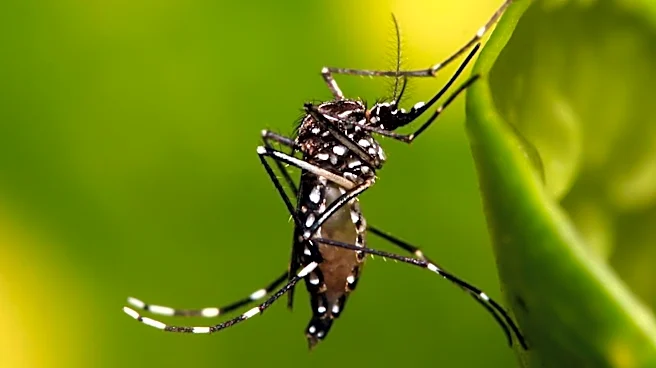
by El Niño conditions. Experts from the Mosquito and Vector Control Association of California and Dr. Photini Sinnis of Johns Hopkins Bloomberg School of Public Health explain that high humidity extends the lifespan of mosquitoes, allowing infected mosquitoes to live longer and transmit the virus to more people. The region's sweltering summer, marked by record-breaking humidity and extreme heat, has created ideal breeding conditions for mosquitoes. The Los Angeles County Department of Public Health reports that 94 individuals have been hospitalized, and the median age of patients is 64.5. Approximately 90 of this year's cases involve neuroinvasive disease, which can lead to severe brain inflammation and potentially permanent damage or death. The East Los Angeles area accounts for about a third of all infected persons, with other cases reported in the San Fernando Valley and South Bay.
Why It's Important?
The significant increase in West Nile virus cases in Los Angeles County highlights a growing public health concern, particularly as climate patterns shift. The link between El Niño-fueled humidity and increased mosquito populations, as explained by experts, suggests a broader vulnerability for other U.S. regions experiencing similar climatic changes. This situation places a substantial burden on healthcare systems, with 94 hospitalizations and five deaths already recorded in Los Angeles County this year. The prevalence of neuroinvasive disease among a large portion of those infected underscores the severe health risks associated with the virus, including potential long-term neurological damage and mortality. Economically, increased public health campaigns, mosquito control efforts, and healthcare costs for treatment will likely strain local and state budgets. Furthermore, the early start to the West Nile virus season nationwide, as warned by federal officials, indicates a potentially more severe and prolonged threat across the continental U.S., impacting public safety and daily life through increased risk of infection and necessary preventative measures.
What's Next?
Health officials anticipate that the West Nile virus season, which typically runs from June to October, is not yet over, suggesting that case numbers could continue to rise. The Los Angeles County Department of Public Health and Vector Control districts in Long Beach are intensifying surveillance, public outreach, education, and mosquito control treatments in affected areas. Dr. Muntu Davis, Los Angeles County’s health officer, emphasizes the importance of public vigilance and protective measures, including using insect repellent, wearing long-sleeved clothing, and eliminating standing water where mosquitoes breed. With no specific treatment or vaccine for West Nile virus, prevention remains the primary strategy. The Centers for Disease Control and Prevention (CDC) recommends supportive care for severe cases, such as IV fluids and pain management. The ongoing monitoring of climate conditions, particularly humidity and temperature, will be crucial for predicting future outbreaks and allocating resources effectively to mitigate the spread of the virus and protect public health.
Beyond the Headlines
The surge in West Nile virus cases in Los Angeles County underscores the complex interplay between climate change, environmental factors, and public health. The unprecedented humidity linked to El Niño conditions serves as a stark reminder of how global weather phenomena can have direct, localized impacts on disease transmission. This situation highlights the need for robust public health infrastructure capable of adapting to new environmental challenges and emerging infectious disease patterns. Beyond immediate control measures, there is a deeper implication for urban planning and infrastructure development, particularly in managing water resources and green spaces to minimize mosquito breeding grounds. The increased incidence of neuroinvasive disease also raises ethical considerations regarding long-term care and support for individuals suffering from permanent neurological damage. This event could catalyze further research into mosquito behavior and disease vectors, potentially leading to innovative control strategies and a more comprehensive understanding of how environmental shifts influence public health outcomes in the long term.