




What's Happening?
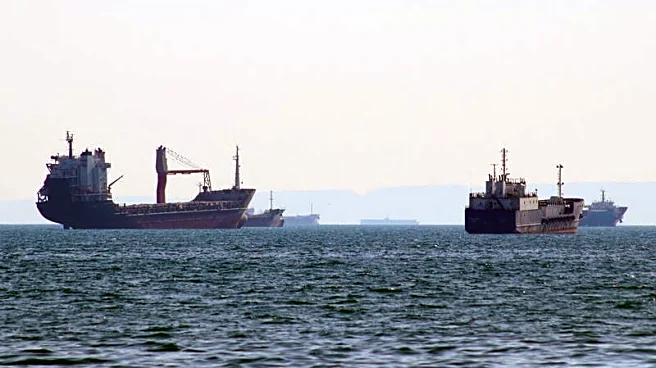
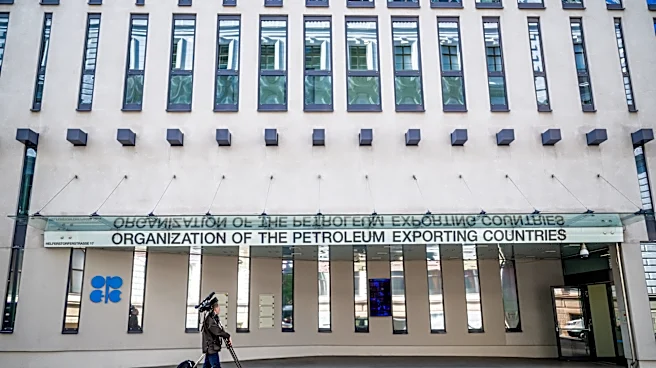
The Organization of the Petroleum Exporting Countries (OPEC), the International Energy Agency (IEA), and the International Energy Forum (IEF) recently held a joint technical workshop focused on the security of maritime energy flows. This crucial dialogue,
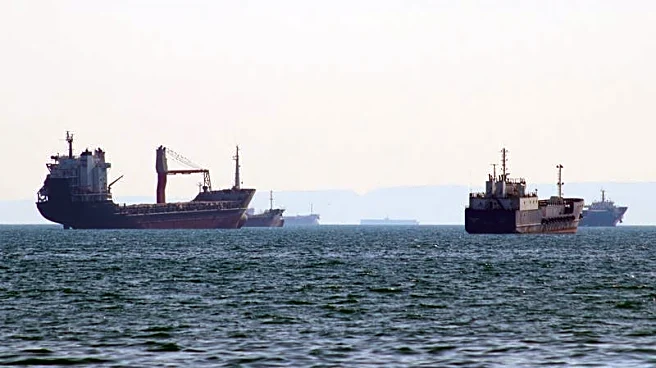
titled 'Joint IEA-IEF-OPEC Technical Workshop on the Security of Energy Flows: Maritime Routes and Market Stability,' addressed concerns regarding uninterrupted energy supplies, elevated shipping costs, and insurance expenses. The meeting was convened at the request of ministers from the Declaration of Cooperation, following their consultation in Riyadh on October 12, which itself followed the IEF 17 Ministerial Meeting. The discussions were led by OPEC Secretary General Haitham Al Ghais, IEA Executive Director Fatih Birol, and IEF Secretary General Jassim Alshirawi. Participants underscored the shared responsibility for energy security and resilience, emphasizing the protection of energy infrastructure and trade routes. The dialogue aimed to identify solutions to challenges faced by both producers and consumers in the context of current maritime trade, with Al Ghais noting that shipping and insurance costs in 2026 have significantly increased, reaching over one-third of crude oil's underlying value.
Why It's Important?
The joint initiative by OPEC, IEA, and IEF highlights the global concern over the stability and security of energy supply chains, which are vital for the U.S. economy and global markets. Disruptions in maritime energy flows can lead to increased energy costs, impacting industries, consumers, and overall economic stability in the United States. Elevated shipping and insurance costs directly translate to higher prices for imported goods, including crude oil, which can fuel inflation and reduce consumer purchasing power. The U.S., as a major energy consumer and producer, relies on stable international energy markets. Any instability in these routes, particularly in critical regions, can affect domestic energy prices and the competitiveness of U.S. industries. The dialogue underscores the interconnectedness of global energy security and the need for international cooperation to mitigate risks that could have far-reaching economic consequences for American businesses and households.
What's Next?
The ongoing dialogue between OPEC, IEA, and IEF is expected to continue, with a focus on developing concrete solutions to safeguard maritime navigation and ensure the stability of global energy markets. Future discussions will likely explore mechanisms to address rising shipping and insurance costs, potentially involving collaborative efforts with the shipping and insurance industries. Stakeholders, including international organizations and national governments, will be looking for actionable strategies to protect energy infrastructure and trade routes from geopolitical disruptions. The outcomes of these discussions could influence international policies related to maritime security, trade agreements, and energy supply diversification. Continued monitoring of geopolitical developments in key maritime regions will be crucial, as any escalation could necessitate further urgent consultations and coordinated responses from these leading energy bodies to maintain market stability.
Beyond the Headlines
The emphasis on maritime energy flow security extends beyond immediate economic concerns, touching upon broader geopolitical stability and international cooperation. The significant increase in shipping and insurance costs, noted by OPEC Secretary General Haitham Al Ghais, reflects underlying risks such as geopolitical tensions and potential threats to shipping lanes. This situation could prompt a re-evaluation of global supply chain resilience and encourage nations, including the U.S., to explore strategies for reducing reliance on vulnerable maritime routes or diversifying energy sources. Furthermore, the collaboration between OPEC, IEA, and IEF signals a recognition that energy security is a shared global responsibility, transcending traditional producer-consumer divides. This collaborative approach could foster greater transparency in energy markets and lead to more coordinated international responses to future energy crises, potentially shaping long-term energy policies and investment decisions worldwide.