










What's Happening?
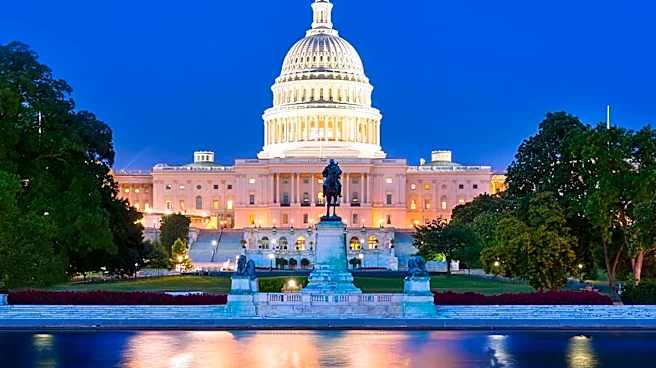
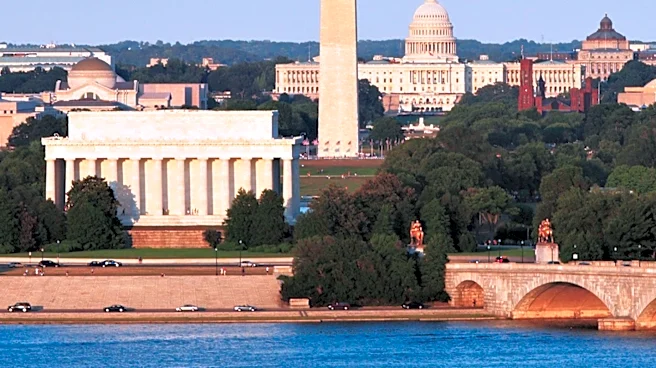
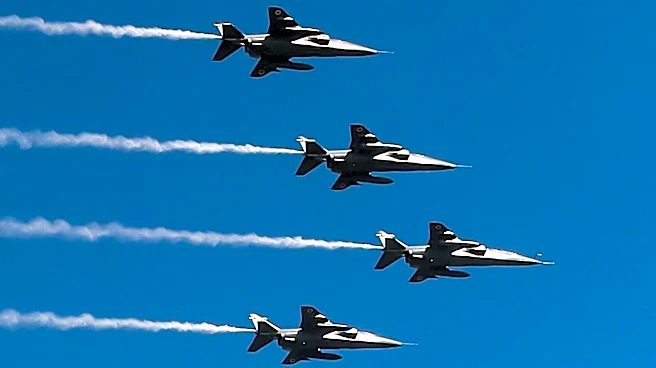
NASA and various branches of the U.S. military are set to conduct an extensive series of flyovers above Washington, D.C., to celebrate the Fourth of July and the 250th anniversary of the United States. The event will feature a wide array of aircraft,
including NASA's F-5 Tiger IIs, F-15D Eagles, and F/A-18B Hornets, all adorned with special 250th anniversary paint schemes. The flyover will also include helicopters and fixed-wing aircraft from the U.S. Coast Guard, Army, Air Force, Marine Corps, and Navy. Notably, the event will feature a 'Tri-Bomber Formation' with a B-2, B-1, and B-52, as well as participation from foreign air forces, including the UAE's Al Fursan aerobatic team.
Why It's Important?
This flyover represents a significant display of military and aerospace capabilities, highlighting the technological advancements and strategic partnerships of the United States. It serves as a powerful symbol of national pride and unity, celebrating the country's history and military prowess. The inclusion of foreign air forces underscores international alliances and the global reach of U.S. military influence. The event also provides an opportunity for the public to witness the capabilities of modern military aircraft, fostering a deeper appreciation for the armed forces and their role in national security.
What's Next?
Following the flyover, there may be increased public interest and discussions around military spending and aerospace technology. The event could also influence future collaborations between the U.S. and its international partners in aerospace and defense. Additionally, the flyover may prompt discussions on the environmental impact of such large-scale military displays and the role of military traditions in contemporary society.
Beyond the Headlines
The flyover highlights the cultural significance of military displays in American society, serving as a reminder of the country's military history and its ongoing commitment to defense and security. It also raises questions about the balance between celebrating military achievements and addressing contemporary challenges such as climate change and international diplomacy. The event may also inspire future generations to pursue careers in aerospace and defense, contributing to the continued innovation and leadership of the U.S. in these fields.