




What's Happening?
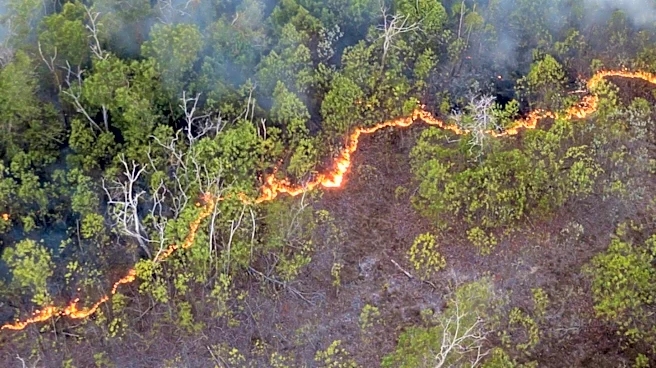
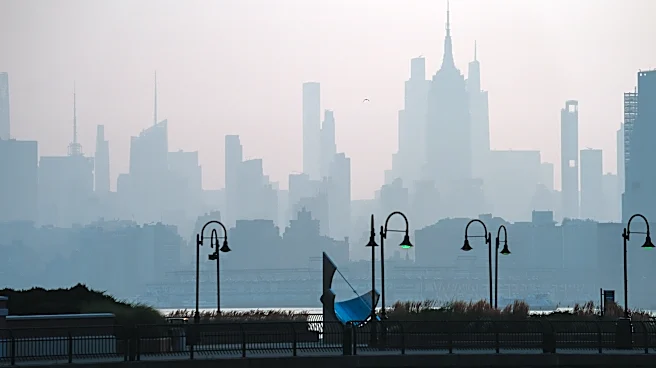
A new wildfire in the Everglades, located in west Broward County, has burned approximately 6,750 acres, causing smoky conditions in nearby metro areas. The fire, known as the Mile Marker 40 fire, was first reported on Thursday afternoon and has since
been 95% contained as of Saturday. The Florida Forest Service's Watch Duty map has been tracking the fire, which is situated just west of US-27 and north of I-75. The blaze has disrupted travel plans for some visitors and caused smoky conditions for residents. The ongoing drought in the region has been identified as a contributing factor to the fire risk, with rainfall levels significantly below average for June and July. Despite recent rain aiding in containment efforts, the area remains vulnerable due to prolonged dry conditions.
Why It's Important?
The wildfire in the Everglades highlights the increasing vulnerability of the region to fires due to prolonged drought conditions. This situation underscores the broader environmental challenges faced by Florida, where climate change and water shortages exacerbate the risk of wildfires. The fire's impact on air quality poses health risks to residents and visitors, as noted by local health officials. The event also affects tourism, a significant economic driver in the area, as visitors face disruptions and potential health hazards. The ongoing drought and its contribution to fire risks emphasize the need for sustainable water management and climate adaptation strategies in the region.
What's Next?
Efforts to fully contain the fire continue, with the Florida Forest Service investigating its cause. The Everglades Foundation has called for increased rainfall to mitigate the drought's impact and reduce future fire risks. Local health officials continue to monitor air quality and advise residents on safety precautions. The situation may prompt discussions on improving water management and fire prevention strategies in the Everglades. As the region remains susceptible to fires, stakeholders may push for policy changes to address the underlying environmental issues contributing to such events.