





What's Happening?
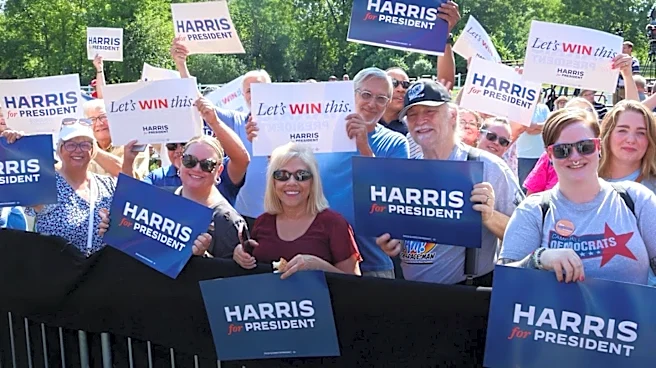
Kevin Serrano, a young political activist from Nantucket, dedicated 13 hours to campaigning for progressive candidate Craig Swallow in the recent primary election, despite Swallow ultimately securing only about 20 percent of the vote. Serrano, a 21-year-old
computer science student, has become deeply involved in politics, a significant shift from his previous disinterest in state and national political affairs. Beyond local campaigning, Serrano serves as a candidate outreach manager for 'Stocking the Capitol,' an Instagram-based initiative advocating for financial transparency in politics. In this role, he contacts Congressional candidates across the U.S., urging them to pledge against corporate PAC money and stock ownership, and to support overturning the Citizens United Supreme Court decision. His efforts have led several candidates, including Dan Koh in Massachusetts and Darializa Avila Chevalier in New York, to take the pledge.
Why It's Important?
Serrano's activism highlights a growing trend of youth engagement in U.S. politics, particularly concerning issues of financial transparency and campaign finance reform. His work with 'Stocking the Capitol' directly addresses public concerns about the influence of money in politics and the potential for conflicts of interest among elected officials. The initiative's focus on pledges to forgo corporate PAC money and restrict lobbying aims to foster a more accountable and representative government. The success of candidates like Dan Koh and Darializa Avila Chevalier, who have taken these pledges, suggests a potential shift in voter priorities and a demand for politicians who are perceived as independent from corporate interests. This movement could influence future campaign strategies and legislative efforts to reform campaign finance laws, potentially leading to a more equitable political landscape.
What's Next?
The continued efforts of activists like Kevin Serrano and organizations such as 'Stocking the Capitol' are likely to maintain pressure on political candidates to adopt greater financial transparency and reject corporate funding. As the 2026 election cycle progresses, more candidates may be encouraged or compelled to take similar pledges to appeal to a growing segment of the electorate concerned about money in politics. The success of candidates who embrace these principles could inspire further youth involvement and grassroots movements, potentially leading to broader discussions and legislative proposals regarding campaign finance reform at both state and national levels. The influence of social media platforms in disseminating these messages and mobilizing support is also expected to grow, shaping future political discourse.
Beyond the Headlines
The emergence of young activists like Kevin Serrano underscores a generational shift in political engagement, moving beyond traditional forms of participation to leverage digital platforms and direct outreach. This trend reflects a deeper societal concern about the integrity of democratic processes and the perceived disconnect between elected officials and their constituents. The focus on financial transparency and anti-corruption pledges touches upon fundamental ethical questions regarding public service and accountability. If successful, these grassroots efforts could contribute to a long-term cultural shift in how political campaigns are funded and how politicians are expected to conduct themselves, potentially fostering a more trust-based relationship between citizens and their government. It also highlights the evolving role of social media influencers in shaping political narratives and mobilizing action.