









What's Happening?
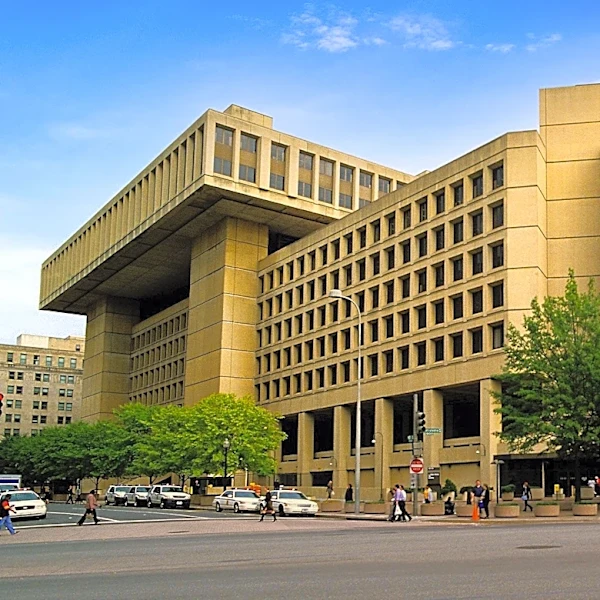
The Trump administration has announced a new agreement to outsource the investigation of certain civil rights complaints from the Department of Education (ED) to the Department of Justice (DOJ). This move is part of a broader effort to reduce federal
bureaucracy and improve student equity by reallocating responsibilities among federal agencies. The agreement allows the DOJ to investigate civil rights complaints referred by the ED, while the ED retains the final say over policy decisions and complaint resolutions. Critics, including civil rights advocates and former staffers, have expressed concerns that this shift may create additional barriers for students seeking justice, as the DOJ can selectively choose which complaints to pursue. The agreement has sparked debate among lawmakers, with Democrats criticizing it as potentially illegal and Republicans supporting it as a solution to systemic weaknesses.
Why It's Important?
The outsourcing of civil rights investigations to the DOJ could significantly impact how civil rights laws are enforced in educational settings. The DOJ's ability to choose which cases to pursue may lead to prioritization based on political agendas, potentially leaving some students' complaints unaddressed. This shift could affect students facing discrimination, including those with disabilities or experiencing racial or antisemitic harassment. The move also raises concerns about the operationalization of civil rights enforcement, as the ED's Office for Civil Rights is mandated to evaluate every complaint it receives. The partnership may alter the landscape of civil rights protection in education, influencing how institutions respond to discrimination claims and potentially reshaping federal enforcement priorities.
What's Next?
The implementation details of the agreement are still being worked out, including how much of the ED's current caseload the DOJ will assume and whether additional lawyers will be hired. The partnership's success will depend on how effectively the DOJ and ED coordinate their efforts to ensure uninterrupted enforcement of civil rights laws. Stakeholders, including civil rights advocates and educational institutions, will be closely monitoring the impact of this agreement on students' access to justice. The potential for increased litigation by the DOJ could lead to significant changes in institutional practices, as schools may adjust their policies in response to high-profile cases.
Beyond the Headlines
The agreement between the ED and DOJ highlights broader issues of federal agency collaboration and the potential for political influence in civil rights enforcement. The shift may reflect a trend towards prioritizing certain types of discrimination cases over others, influenced by the political climate. This development underscores the importance of maintaining impartiality and comprehensive protection for all students, regardless of the nature of their complaints. The partnership could also set a precedent for future interagency agreements, affecting how civil rights are enforced across various sectors.