





What's Happening?
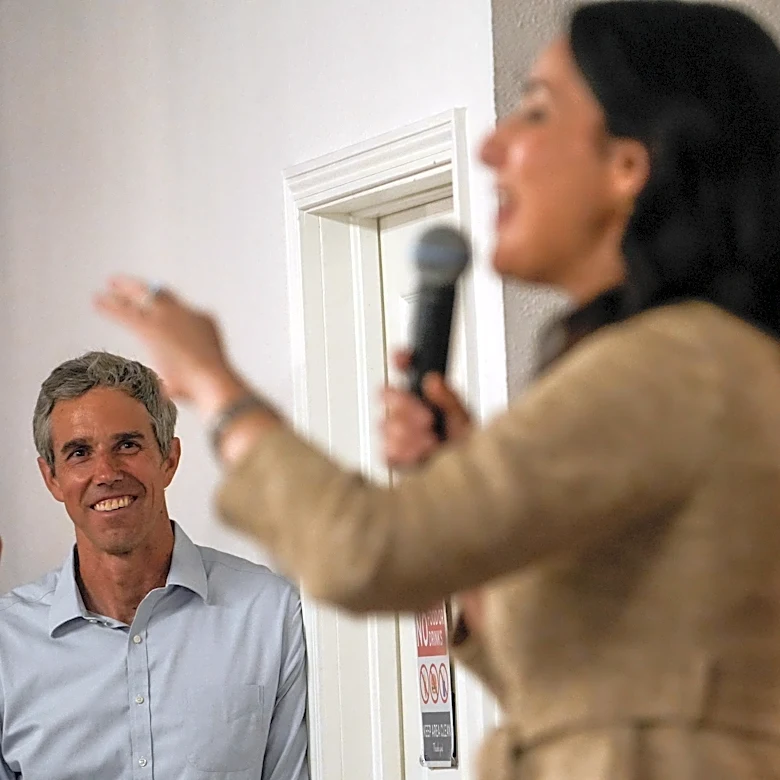
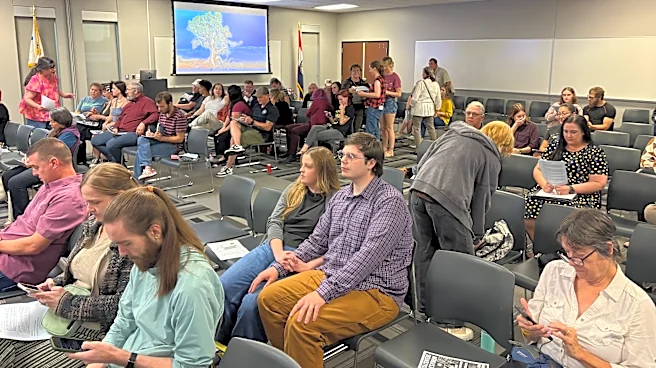
Richmond mayoral candidates Ahmad Anderson and Claudia Jimenez engaged in their first debate, focusing on critical issues including police staffing, the use of Flock automated license plate readers, and the city's approach to environmental health and economic
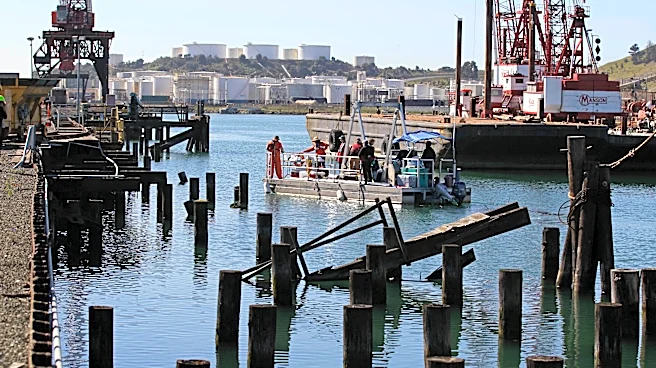
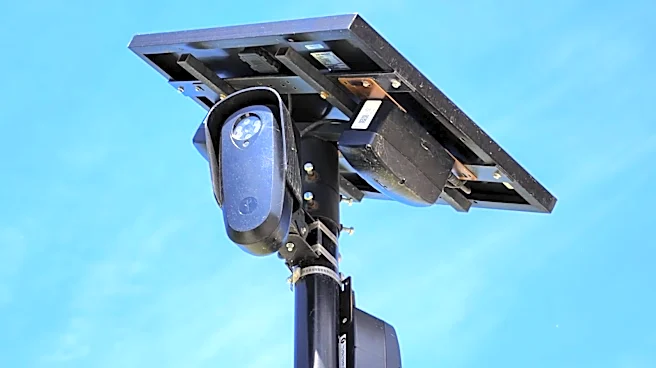
development, particularly concerning the Chevron refinery. Both candidates addressed the Richmond Police Department's staff shortages and response times. Jimenez advocated for policing alternatives to handle non-violent calls, allowing officers to focus on serious crimes, and highlighted the success of existing holistic public safety approaches. Anderson, endorsed by the Richmond Police Officers Association, emphasized the need for minimum staffing levels to ensure residents feel protected and victims receive justice, while also agreeing on the importance of mental health resources and youth programs. The debate also touched upon the city's plan to switch from Flock to Axon for surveillance technology. Anderson, who previously supported Flock, expressed a changed stance, prioritizing civil liberties and suggesting that adequate police staffing could render such cameras unnecessary. Jimenez criticized Anderson's past support for Flock, stating she voted against it due to concerns about the company's transparency regarding data security. The candidates also discussed balancing economic investment with protecting residents from environmental and health impacts, particularly in light of a recent health assessment near the Chevron refinery and the city's $550 million settlement with the company.
Why It's Important?
This debate highlights the complex challenges facing Richmond, California, and the differing approaches candidates propose to address them. The discussion on police staffing and public safety reflects a national conversation about law enforcement resources, community-based alternatives, and the role of technology in crime prevention. The controversy surrounding Flock cameras and the city's move to Axon underscores the ongoing tension between surveillance for public safety and concerns over civil liberties and data privacy. This issue is particularly salient in communities grappling with historical injustices and the potential for disproportionate impact on certain populations. Furthermore, the debate over environmental justice, particularly concerning the Chevron refinery, is critical for Richmond, a city with significant industrial presence. The candidates' stances on balancing economic development with community health and the utilization of the $550 million Chevron settlement will have profound implications for the city's future, affecting residents' well-being, job opportunities, and the transition towards a greener economy. The outcome of this election will shape Richmond's policy direction on these interconnected and vital issues.
What's Next?
As the Richmond mayoral election progresses, voters will continue to evaluate Ahmad Anderson and Claudia Jimenez based on their performance in debates and their proposed solutions to the city's challenges. The candidates are expected to further elaborate on their plans for police staffing, public safety initiatives, and the implementation of surveillance technologies. The city council's ongoing discussions regarding the efficacy of Flock cameras and the transition to a new provider will likely remain a prominent topic. A key area of focus will be how the candidates intend to manage the $550 million Chevron settlement, particularly the long-promised community engagement process for its allocation. The debate also sets the stage for continued discussions on economic development strategies that prioritize both job creation and environmental protection, especially given the recent moratorium on data centers. Residents and various community organizations will be closely monitoring the candidates' proposals and their commitment to addressing the city's pressing social, economic, and environmental concerns leading up to the election.
Beyond the Headlines
The Richmond mayoral debate delves into issues that resonate far beyond the city limits, touching upon fundamental questions of urban governance in the 2. The discussion on police staffing and the role of surveillance technology like Flock cameras reflects a national struggle to define effective and equitable public safety strategies in an era of technological advancement and heightened awareness of civil liberties. The candidates' differing views on these matters highlight the ideological divides present in many American cities regarding law enforcement and privacy. Moreover, the focus on environmental justice in relation to the Chevron refinery and the allocation of a substantial settlement fund brings to light the complex interplay between industrial presence, community health, and economic transition. This situation underscores the ethical imperative for cities to hold corporations accountable for environmental impacts and to ensure that economic development does not come at the expense of residents' well-being. The debate also implicitly addresses the challenge of long-term planning and resource management, particularly how a significant financial settlement can be strategically used to foster sustainable growth and address historical inequities, rather than merely covering operational costs.