




What's Happening?
An international team of scientists has drilled into the Weißeespitze glacier in the eastern Alps, recovering a 2,000-year-old ice core that provides a detailed climate record. This core reveals historical environmental conditions, including ancient silver
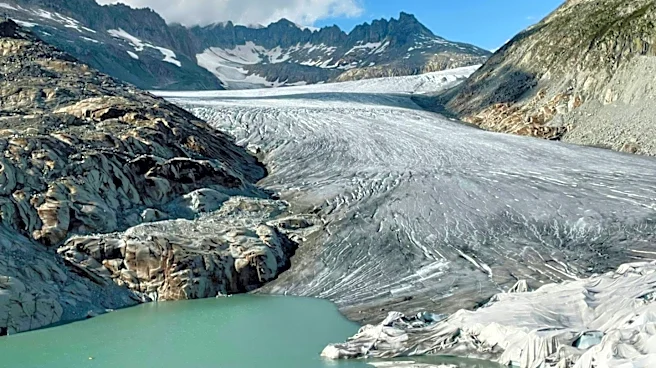
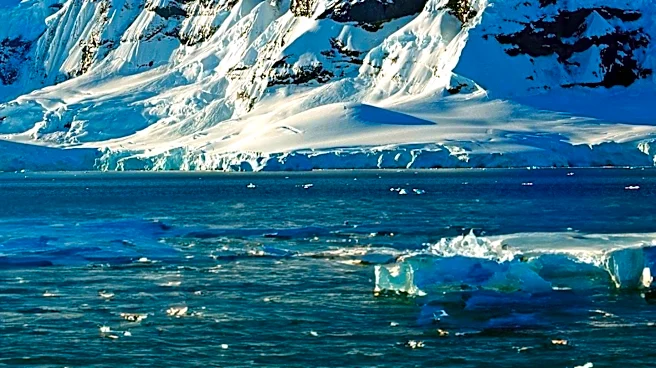
mining, forest fires, and volcanic eruptions. The research, led by Azzurra Spagnesi of Ca’ Foscari University of Venice, highlights the glacier's role as a natural archive, capturing airborne particles over centuries. Despite the core's insights, rapid warming threatens the glacier, with significant ice loss recorded between 2019 and 2025.
Why It's Important?
The findings from the Alpine glacier offer critical insights into historical climate patterns and human impact on the environment. By understanding past climate conditions, scientists can better predict future changes and inform policy decisions. The study underscores the urgency of preserving such natural archives, as they provide invaluable data that cannot be replicated once lost. The rapid melting of glaciers due to climate change poses a significant threat to these records, emphasizing the need for immediate action to mitigate global warming.
What's Next?
Researchers are racing against time to collect ice cores from other threatened glaciers worldwide. These efforts aim to preserve climate data for future analysis, using advanced technologies that may not yet exist. The continued study of these cores will enhance our understanding of historical climate dynamics and guide future environmental strategies. As the effects of climate change become more pronounced, the scientific community is likely to intensify efforts to safeguard remaining ice archives.