


What's Happening?
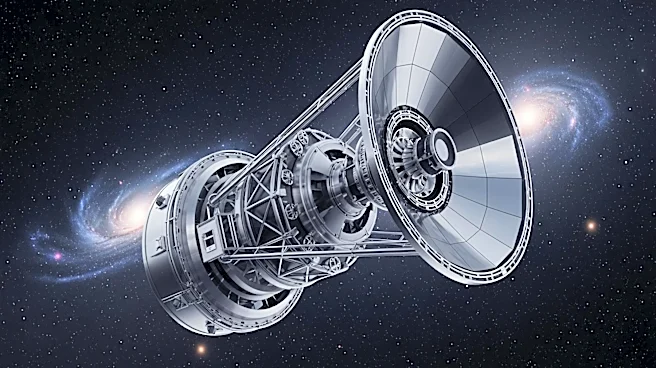
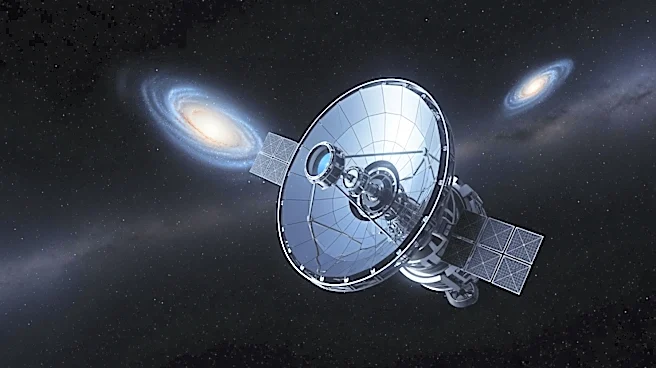
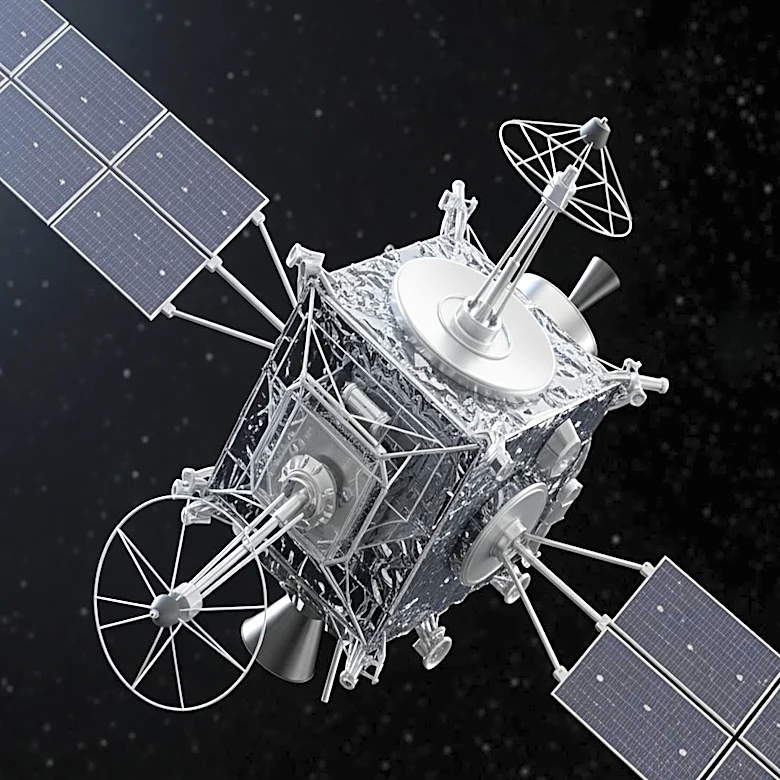
NASA's Transiting Exoplanet Survey Satellite (TESS) has made a groundbreaking discovery in the TOI-201 star system, located 370 light-years from Earth. The system comprises three exoplanets with distinct characteristics, exhibiting unique orbital behaviors.
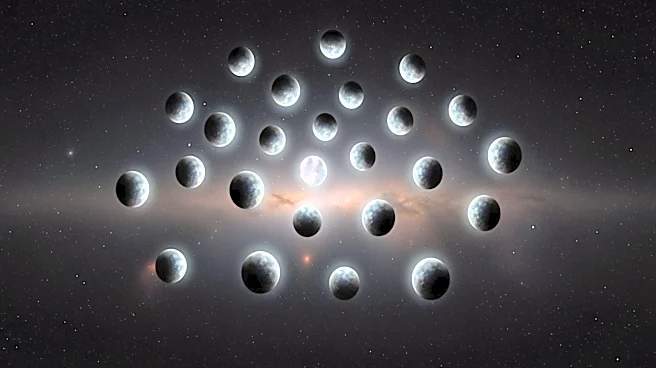
The first planet is a rocky super-Earth, six times the mass of Earth, completing an orbit in 5.8 days. The second is a gas giant, half the mass of Jupiter, with a 53-day orbit. The third is a massive outer giant, sixteen times the mass of Jupiter, taking nearly eight Earth years to orbit its star. These planets exert significant gravitational forces on each other, causing their orbits to shift noticeably. This phenomenon is rare, as most planetary systems have planets with similar parameters and orbital planes. The outer giant's elongated and inclined orbit disrupts the inner planets, leading to transit delays, where the planets pass in front of the star's disk at unexpected times.
Why It's Important?
This discovery is significant as it provides a rare glimpse into the dynamic processes that occur in planetary systems shortly after their formation. The shifting orbits in the TOI-201 system offer valuable insights into the gravitational interactions and orbital rearrangements that can occur in young planetary systems. Understanding these processes is crucial for astronomers as it helps refine models of planetary system evolution and formation. The findings challenge existing theories that suggest planetary systems typically stabilize into predictable patterns. This research could lead to a deeper understanding of the diversity and complexity of planetary systems across the universe, potentially impacting future studies on planet formation and the search for habitable worlds.
What's Next?
The ongoing study of the TOI-201 system will likely involve further observations using TESS and other telescopes to monitor the orbital changes over time. Researchers may also employ advanced simulations to model the gravitational interactions within the system, aiming to predict future orbital configurations. These efforts could enhance our understanding of the mechanisms driving such dynamic changes in planetary systems. Additionally, the findings may prompt astronomers to re-evaluate other known systems for similar behaviors, potentially uncovering more examples of orbital rearrangement. The continued study of TOI-201 and similar systems will contribute to the broader field of exoplanet research, offering new perspectives on the formation and evolution of planetary systems.