






What's Happening?
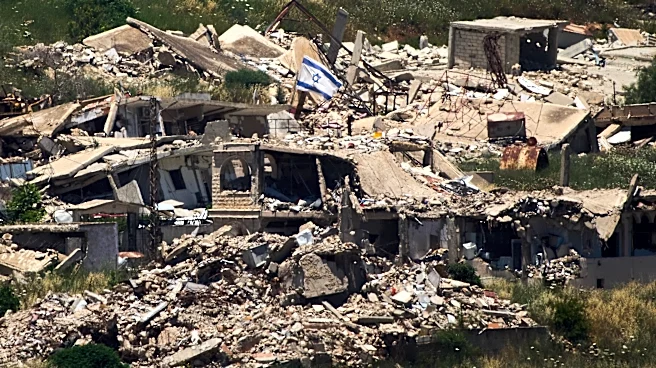
Israeli airstrikes on southern Lebanon have resulted in the deaths of nine individuals, including three members of the Lebanese military. This incident occurred shortly after a ceasefire agreement was reached between Israel and Lebanon, brokered by the United
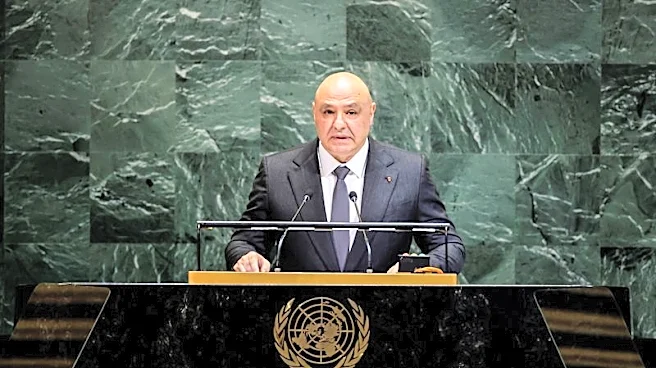
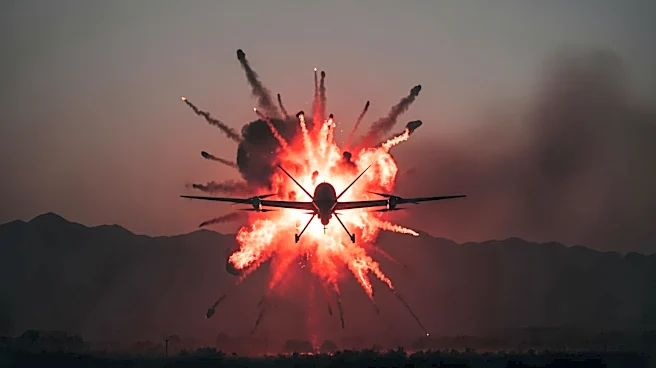
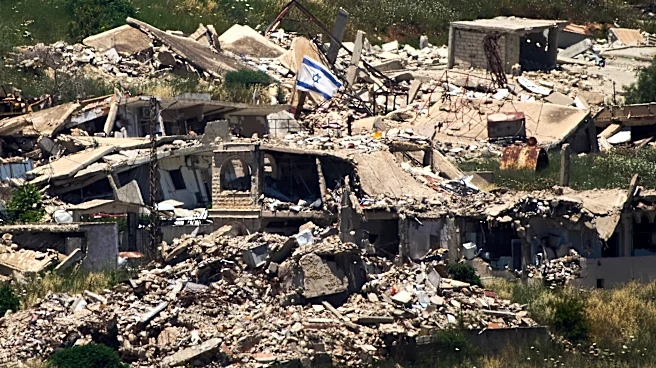
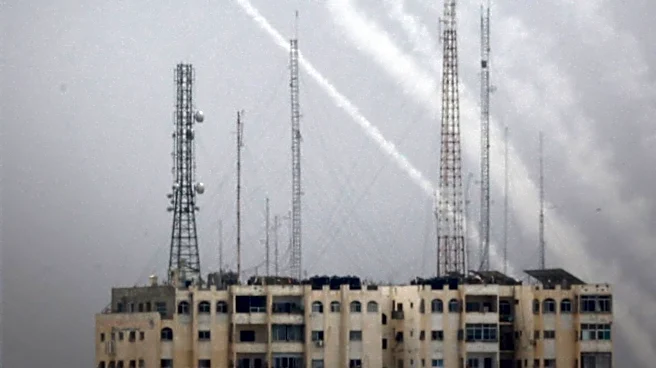
States. The Lebanese army reported that the airstrikes targeted a vehicle on a road connecting Nabatiyeh and Marjayoun, killing a brigadier general, a captain, and another soldier. Additionally, an airstrike in the village of Saksakiyah resulted in six more fatalities and four injuries. The Lebanese President, Joseph Aoun, condemned the strikes as a violation of Lebanese sovereignty and international law, emphasizing the ongoing escalation despite efforts to stabilize the region through negotiations in Washington. The Israeli military confirmed the airstrike, stating it was in response to suspicious movements near Israeli soldiers, allegedly linked to Hezbollah activities.
Why It's Important?
The airstrikes highlight the fragile nature of the ceasefire agreement and the ongoing tensions between Israel and Lebanon. The conflict has significant implications for regional stability, with potential repercussions for international relations, particularly involving the United States, which played a role in brokering the ceasefire. The situation underscores the challenges in achieving lasting peace in the region, as Hezbollah's refusal to adhere to the truce complicates diplomatic efforts. The continued violence threatens to exacerbate humanitarian issues, with over a million people already displaced and significant casualties reported. The international community, including the U.S., may face increased pressure to intervene or mediate further to prevent a full-scale escalation.
What's Next?
The immediate future may involve intensified diplomatic efforts to reinforce the ceasefire and address the underlying issues fueling the conflict. The Lebanese government, along with international mediators, might seek to engage Hezbollah in dialogue to ensure compliance with the truce. Additionally, there could be increased scrutiny on Israel's military actions and their alignment with international law. The situation may also prompt discussions within the United Nations regarding peacekeeping and conflict resolution strategies in the region.