








What's Happening?
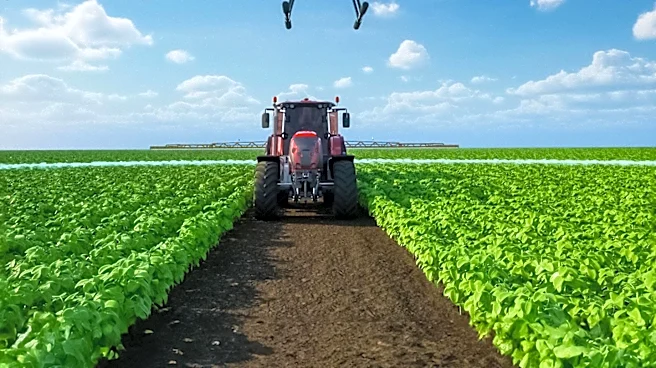
The Food and Agriculture Organization (FAO) has inaugurated its first Global Conference on Smart Farming, aiming to accelerate the adoption and scaling of smart farming systems worldwide. The event, held in Rome, brings together global leaders, ministers,
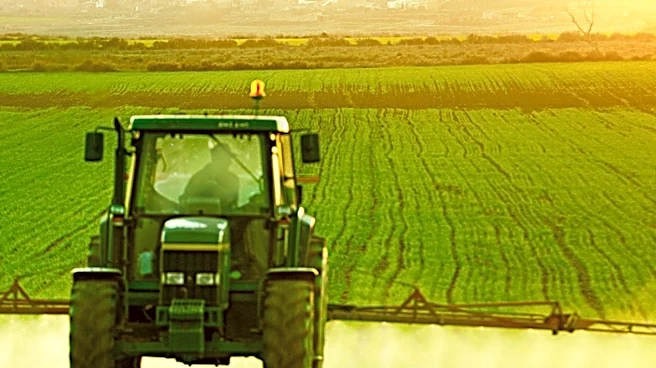
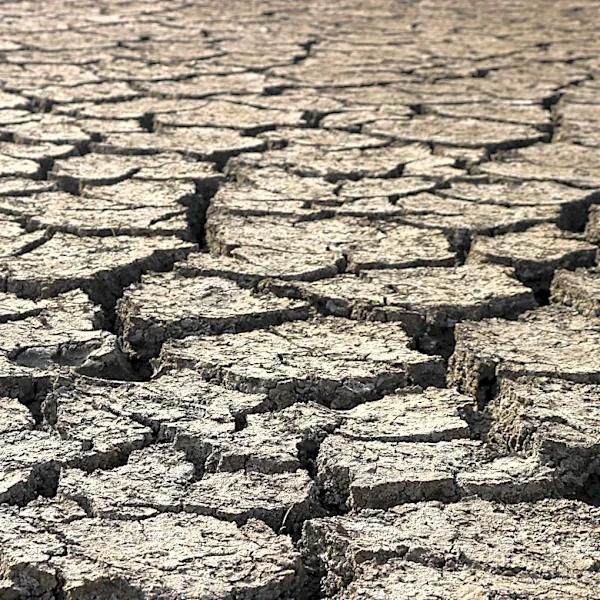
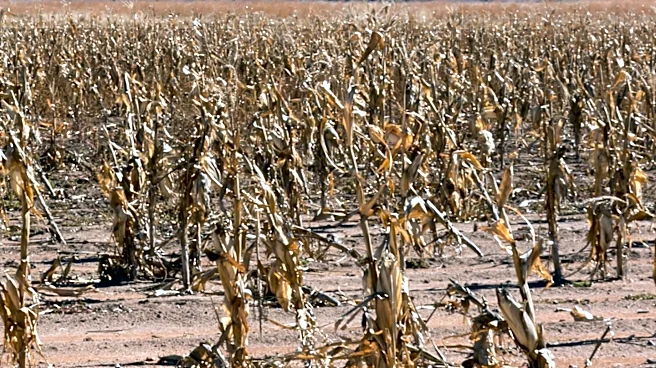
researchers, farmers, and private sector representatives to discuss the integration of data and technology in agriculture. The conference highlights the urgent need for smart farming to address challenges such as climate variability, soil and water degradation, and rising input costs. The FAO Director-General emphasized the importance of innovation and technology in agriculture, showcasing examples like low-cost greenhouse innovations in Uzbekistan that have significantly increased yields and incomes for farmers. The conference also focuses on promoting youth and women's entrepreneurship and digital skills in agriculture.
Why It's Important?
The conference underscores the critical role of smart farming in enhancing agricultural productivity and sustainability. By leveraging digital technologies and scientific knowledge, smart farming systems can improve decision-making, resource efficiency, and environmental sustainability. This approach is particularly vital as traditional methods of increasing agricultural productivity are reaching their limits. The FAO's initiative aims to ensure that smart farming is accessible to small-scale producers, thereby promoting equitable access to technology and markets. The event also highlights the need for coherent national strategies and effective governance to scale smart farming, involving collaboration between governments, the private sector, and research institutions.
What's Next?
Over the next three days, conference participants will develop practical recommendations to help countries implement affordable and inclusive smart farming systems. The FAO plans to continue its efforts in promoting smart farming through various programs and partnerships, focusing on high-value horticultural crops and digital technologies. The organization aims to replicate successful smart farming approaches in other regions, such as Honduras and Zambia, to enhance agricultural resilience and transformation globally.