








What's Happening?
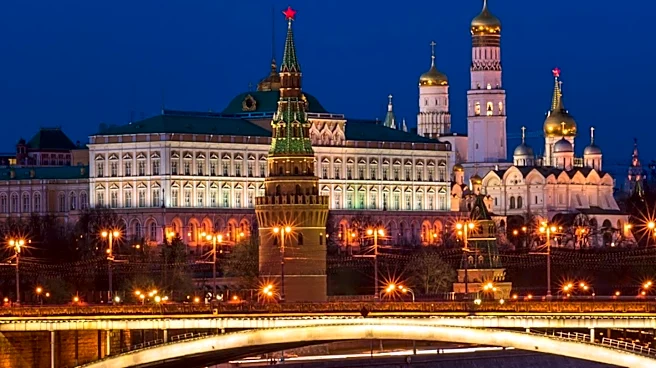
Republican Senator Lindsey Graham, a prominent critic of Russia, passed away unexpectedly at the age of 71. Just hours before his death, Graham had finalized a sanctions bill targeting Russian oil profits, which he believed would deliver a significant
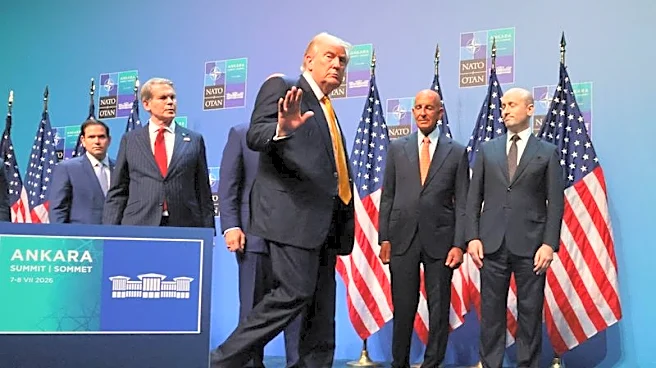
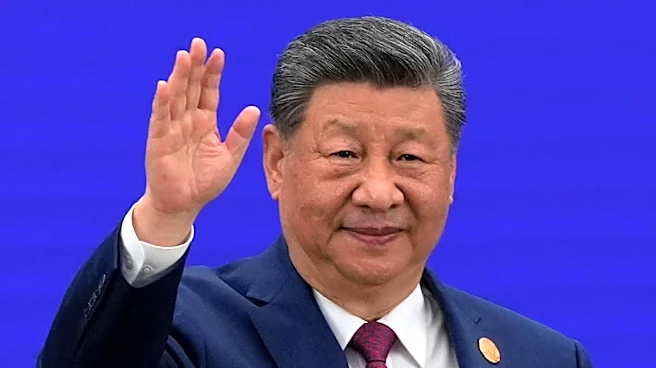
blow to Russia's military funding. The legislation, developed with Senator Richard Blumenthal, aims to impose severe tariffs on countries purchasing Russian energy, with a focus on China and India. President Trump has indicated his intention to sign the bill, which would mark a major legislative victory for Graham's long-standing efforts against Russian aggression.
Why It's Important?
Graham's death represents a significant loss for U.S. foreign policy, particularly in the context of support for Ukraine. His efforts to curb Russian influence have been a cornerstone of his political career, and the proposed sanctions legislation could serve as a lasting legacy. The bill's potential passage would reinforce the U.S. commitment to countering Russian aggression and supporting Ukraine. However, Graham's absence leaves a gap in leadership, raising questions about who will champion these efforts moving forward. The situation also highlights the complexities of U.S.-Russia relations and the challenges of maintaining a unified stance against Russian actions.
What's Next?
With Graham's passing, the focus shifts to the legislative process and the potential enactment of the sanctions bill. The bill's progress will depend on continued bipartisan support and the political dynamics within Congress. Additionally, the appointment of Graham's successor will be crucial in determining the future direction of U.S. policy on Russia. The international community will be watching closely to see how the U.S. navigates this transition and whether the sanctions will effectively deter Russian activities.