




What's Happening?
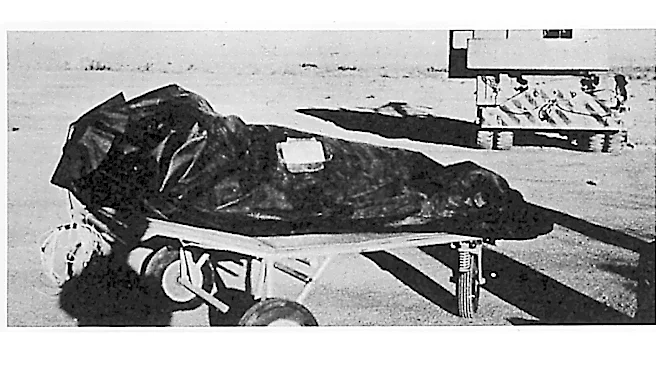
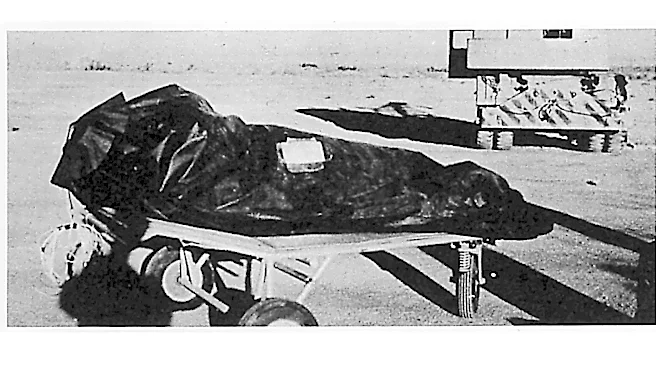
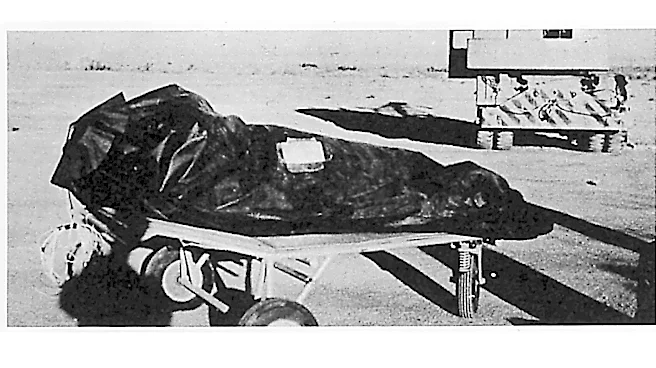
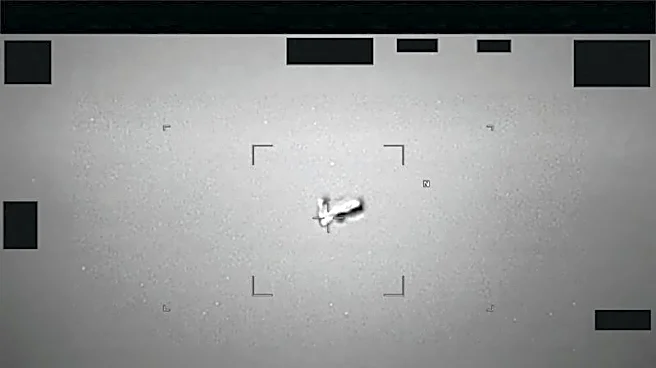
The Pentagon has released a series of files detailing hundreds of unexplained aerial phenomena (UAP) sightings over the United States, dating back to the late 1940s. This release marks the first wave of such files, providing insights into numerous incidents
that have puzzled both military personnel and the public for decades. The files include reports of unidentified flying objects (UFOs) observed by military pilots and other credible witnesses, sparking renewed interest and debate over the nature and origin of these phenomena. The release is part of a broader effort by the U.S. government to increase transparency regarding UAPs, following growing public and congressional interest in the subject.
Why It's Important?
The release of these files is significant as it represents a shift in the U.S. government's approach to handling information about UAPs. Historically, such information was often classified, leading to speculation and conspiracy theories. By making these files public, the Pentagon aims to address public curiosity and concern, potentially paving the way for more scientific inquiry into these phenomena. The implications for national security are also noteworthy, as understanding the nature of these sightings could have ramifications for airspace safety and defense strategies. Additionally, the release may influence public perception and policy discussions regarding extraterrestrial life and advanced technologies.
What's Next?
Following the release of these files, it is expected that there will be increased scrutiny and analysis from both the scientific community and the public. Researchers and experts in aerospace and defense may conduct further investigations to determine the origins and implications of these sightings. The U.S. government may also face pressure to release additional files and provide more comprehensive explanations. Congressional hearings or inquiries could be initiated to explore the national security aspects of UAPs. Furthermore, this development may lead to international collaboration as other countries may also choose to disclose their own UAP data.