
What's Happening?
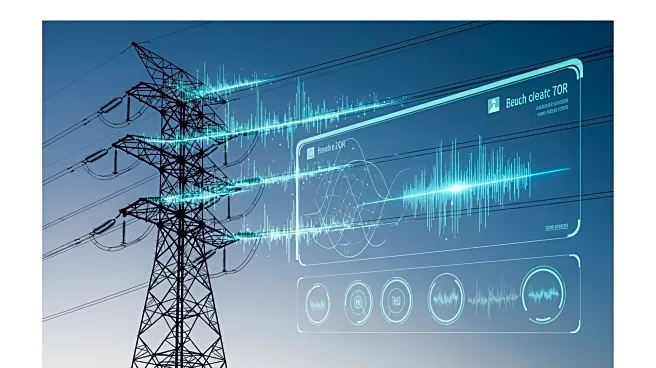
Pacific Gas and Electric Company (PG&E) has announced the successful launch of its Dynamic Line Rating (DLR) and Asset Health Monitoring (AHM) technology demonstration. This initiative aims to optimize
electric transmission line capacity and proactively monitor asset health using advanced sensor technology and real-time analytics. The project, which has reached trial deployment status, is part of PG&E's broader strategy to expand and upgrade substation and transmission line capacity, reduce congestion, and ensure reliable service during extreme weather events. DLR technology allows utilities to adjust powerline ratings based on real-time weather data, enabling more efficient use of existing lines without the need for new infrastructure. PG&E is collaborating with several technology partners, including Heimdall Power, Prisma Photonics, Sentrisense, and Smart Wires, to evaluate these technologies over an 18-month field demonstration.
Why It's Important?
This project is significant as it represents a critical step in modernizing California's electrical grid, which faces challenges from extreme weather, aging infrastructure, and increasing demand for renewable energy. By leveraging DLR and AHM technologies, PG&E aims to unlock hidden capacity, improve grid reliability, and integrate more renewable energy sources. The initiative could lead to substantial cost savings for California's families and businesses by optimizing existing assets and avoiding costly infrastructure upgrades. Additionally, the project aligns with California's goals for environmental sustainability and energy efficiency, potentially setting a precedent for other utilities across the U.S. to adopt similar technologies.
What's Next?
PG&E will continue to test and validate the DLR and AHM solutions over the next 18 months, with the Electric Power Research Institute (EPRI) serving as the project's technical advisor. The company will assess the technologies' ability to reduce congestion, enhance reliability, and prepare the grid for future challenges. If successful, this demonstration could pave the way for broader adoption of these technologies, contributing to a more resilient and efficient energy grid in California and potentially influencing national energy policies.