
What's Happening?
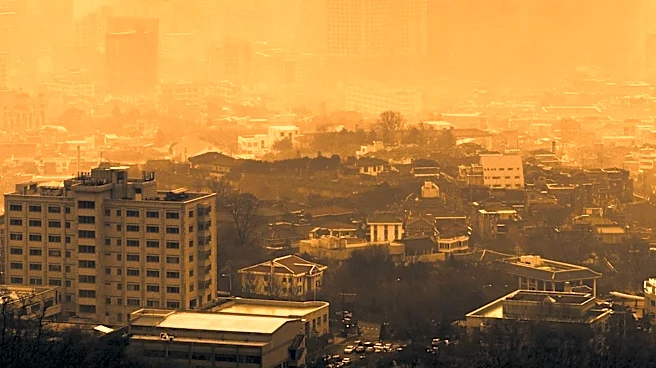
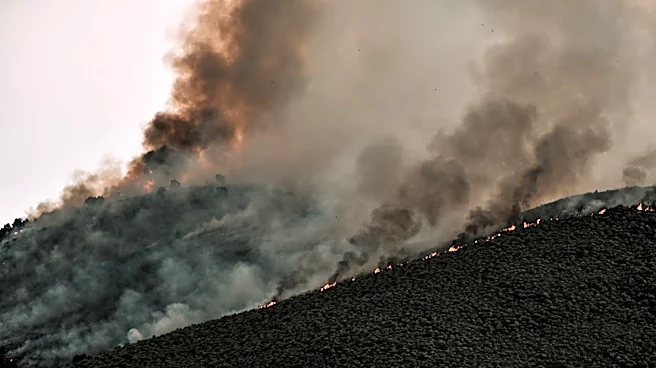
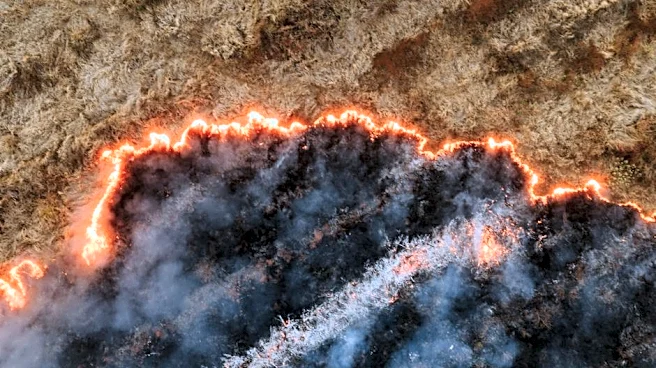
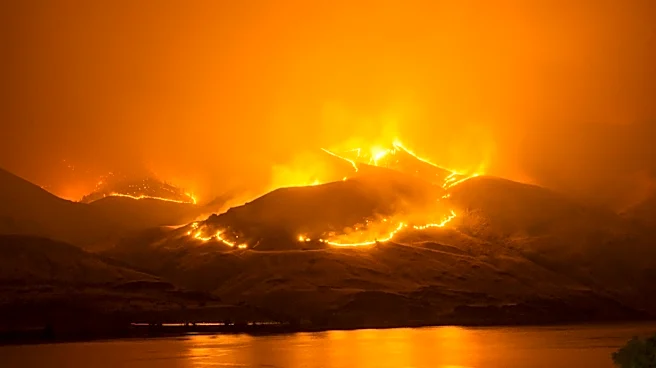
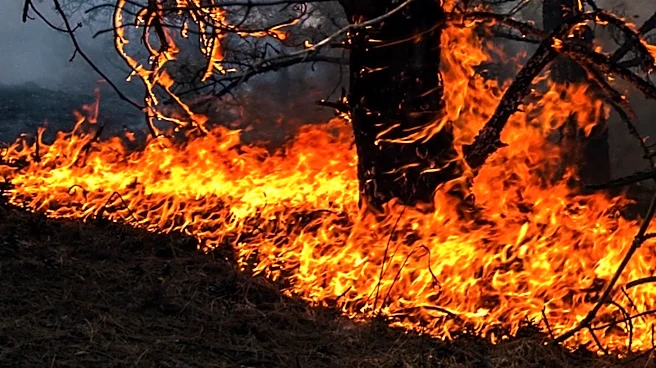
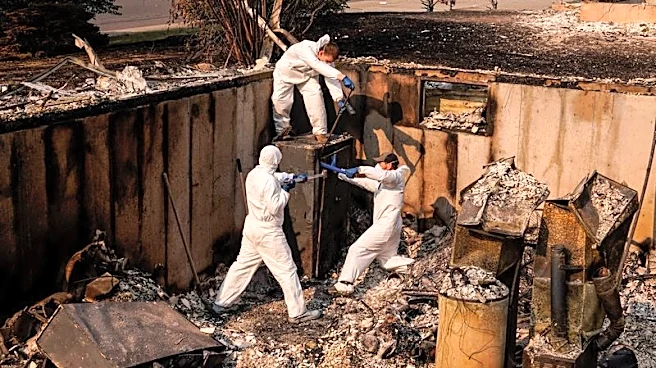
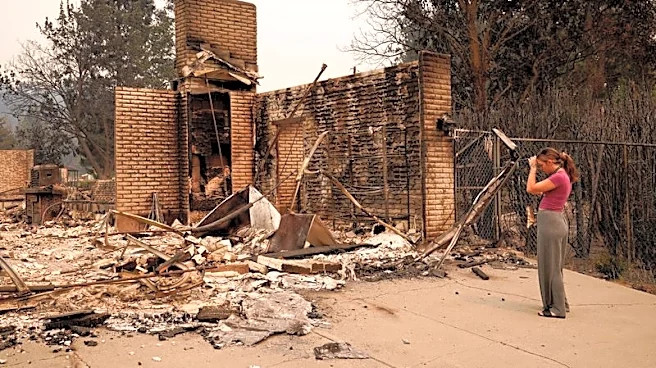
The Pacific Northwest is grappling with 49 large wildfires, significantly affecting air quality in Oregon and Washington. The Big Grass Fire, the largest in Oregon, has burned 358,959 acres and crossed into Idaho. The Rowe Creek Complex, another major
fire, has burned 329,012 acres. The Grasshopper Fire near Mount Hood is threatening Portland's air quality and has prompted evacuation orders for nearby areas. Weather forecasts predict a dry cold front, which could exacerbate the wildfire threat due to gusty winds and dry conditions.
Why It's Important?
The wildfires pose a significant threat to public health, infrastructure, and the environment. Poor air quality affects millions, particularly vulnerable populations such as children and the elderly. The fires also strain emergency services and resources, impacting local economies and communities. The situation underscores the urgent need for effective wildfire management strategies and climate resilience planning. It highlights the broader implications of climate change, as rising temperatures and prolonged dry spells increase wildfire risks.
What's Next?
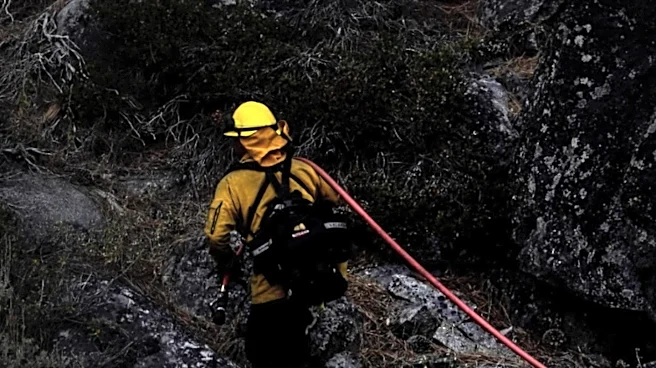
Authorities are closely monitoring weather conditions, as the expected cold front could worsen the situation. Evacuation orders may expand if fires continue to spread. Efforts to contain the fires will intensify, with additional resources potentially deployed. Long-term, the region may need to invest in more robust fire prevention and response strategies. Public health advisories will continue to guide residents on minimizing exposure to smoke and maintaining safety during evacuations.